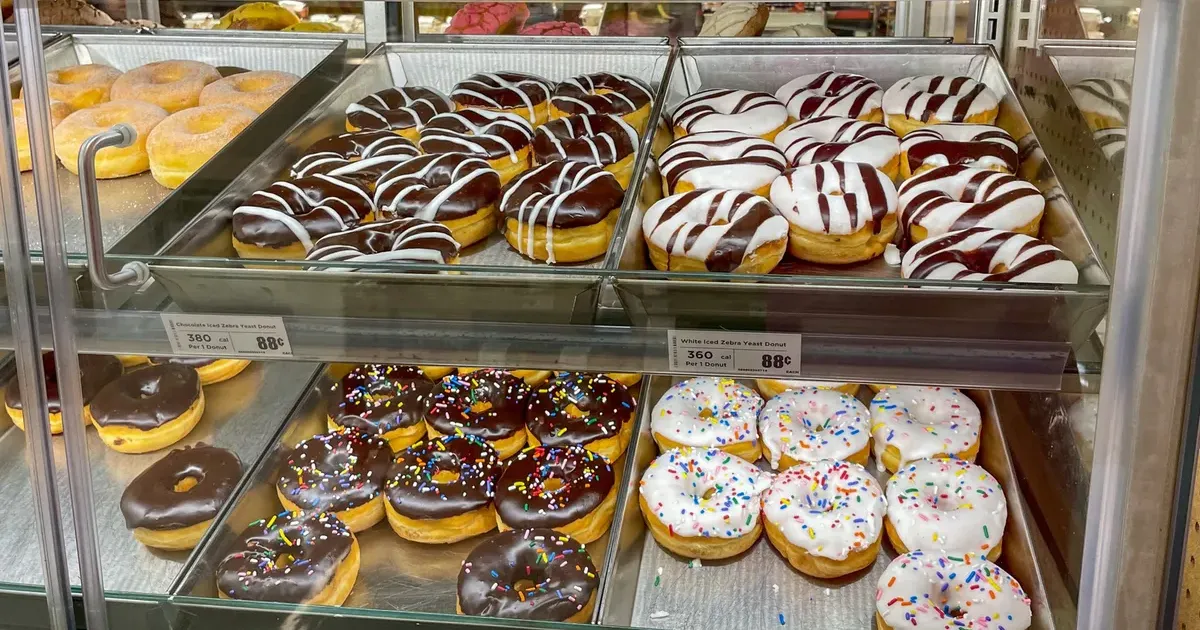
H-E-B executives confirmed on April 2, 2026, that the San Antonio based retailer relies on a network of centralized facilities to supply its signature bakery departments. While shoppers often associate the grocery giant with the smell of fresh dough, many items arrive at individual stores in a frozen or par-baked state. This operational reality contrasts with the brand's enduring reputation for hand-crafted, in-store production across its Texas and Mexico locations.
Scent often functions as a marketing tool in modern retail environments. Grocery chains frequently vent bakery ovens into the main shopping floor to stimulate hunger and increase impulse purchases. Critics argue that these sensory cues create an illusion of scratch baking that does not always align with the actual manufacturing process. Many products found in the glass cases were mixed, shaped, and partially baked miles away from the final point of sale.
Texas Retail Giant Centralizes Dough Production
Centralizing production allows the company to maintain flavor profiles across its $38 billion enterprise. By moving the heavy lifting of mixing and proofing to industrial-scale facilities, H-E-B ensures that a croissant in Houston tastes identical to one in El Paso. Regional distribution centers in San Antonio and Houston house huge automated lines capable of producing thousands of units per hour. These facilities operate under strict climate controls that are difficult to replicate in smaller, high-traffic store environments.
Manufacturing consistency represents only one side of the strategic coin. Centralized hubs reduce the need for highly skilled pastry chefs at every individual storefront. Retailers across North America face a chronic shortage of trained bakers who can handle complex dough chemistry from scratch. Shifting to a bake-off model allows less specialized staff to manage the final heating and finishing of the goods. This approach stabilizes labor costs while keeping the shelves stocked during peak morning rushes.
Logistics Behind the Frozen Dough Model
Par-baking technology has transformed the speed at which grocery stores can react to demand. Under this system, items are baked to approximately 80 percent completion before being flash-frozen and shipped. In-store employees then place these items in convection ovens for a few minutes to achieve a golden crust and warm interior. Freshness, in this context, refers to the time since the final bake rather than the time since the initial mixing of ingredients.
Logistical efficiency dictates the inventory selection for most departments. H-E-B manages a complex supply-chain that prioritizes high-volume items like sandwich breads and pastries for offsite production. Small-batch specialty items might still receive more hands-on attention, but the sheer scale of the operation makes total scratch baking impossible. Profitability requires a delicate balance between artisan quality and industrial throughput.
Our goal is to provide the freshest product possible to our customers, using a mix of traditional and modern baking techniques, according to internal operational guidelines from H-E-B.
Labor and Cost Constraints in Modern Baking
Rising energy prices and specialized equipment maintenance also weigh on the decision to move production away from the store level. Industrial ovens require meaningful electricity and floor space, both of which are at a premium in competitive urban markets. Centralizing the heat-intensive portions of the baking process reduces the carbon footprint and utility expenses of individual retail units. Financial reports suggest that these efficiencies are necessary to compete with low-cost rivals like Walmart and Kroger.
Labor dynamics matter in the disappearance of the neighborhood scratch baker. Most modern retail employees are cross-trained in multiple departments, leaving little time for the careful requirements of sourdough fermentation or puff pastry lamination. Automation at the regional level replaces the human variability that often leads to food waste. Less waste translates directly to lower prices for the consumer at the checkout counter.
Transparency and Consumer Perception of Freshness
Labeling requirements for baked goods remain a grey area in the United States. Federal regulations do not strictly define terms like fresh-baked or made-on-site in a way that distinguishes between scratch-made and par-baked items. Consumers frequently assume that any product emerging from an oven in their presence began as raw flour and water in that same room. Retailers benefit from this ambiguity because it preserves the emotional connection customers have with local baking traditions.
One striking exception to the offsite trend is the H-E-B flour tortilla. Many locations still house dedicated tortilla machines that mix and press dough in full view of the customer. These high-visibility operations reinforce the brand's commitment to freshness, even if the neighboring loaf of French bread arrived on a refrigerated truck. Selective transparency allows the company to highlight specific fresh offerings while quietly improving the rest of the supply chain.
The Elite Tribune Strategic Analysis
Corporate efficiency eventually executes the American artisan tradition. H-E-B's reliance on centralized baking facilities is not merely a logistical choice, it is a surrender to the harsh mathematics of modern capitalism. When a retailer reaches 100,000 employees and hundreds of locations, the romantic notion of a local baker becomes a liability. Consistency is the enemy of craft, yet it is the primary requirement for a multi-billion-dollar brand. Customers must decide if they value the convenience of a standardized product over the inherent flaws and variations of truly local production.
The grocery industry has mastered the art of sensory deception. They sell the aroma of a home kitchen while delivering the output of a factory. This strategy works because the modern consumer is conditioned to prioritize price and availability over authentic process. If H-E-B were to revert to total scratch baking, prices would soar and shelves would sit empty by noon. The current model is a compromise that favors the balance sheet over the bakery bench. We are trading the soul of our food for the certainty of a uniform crust. The trade-off is the price of scale. It is a calculated move that proves sentimentality has no place in the refrigerated logistics of 2026.