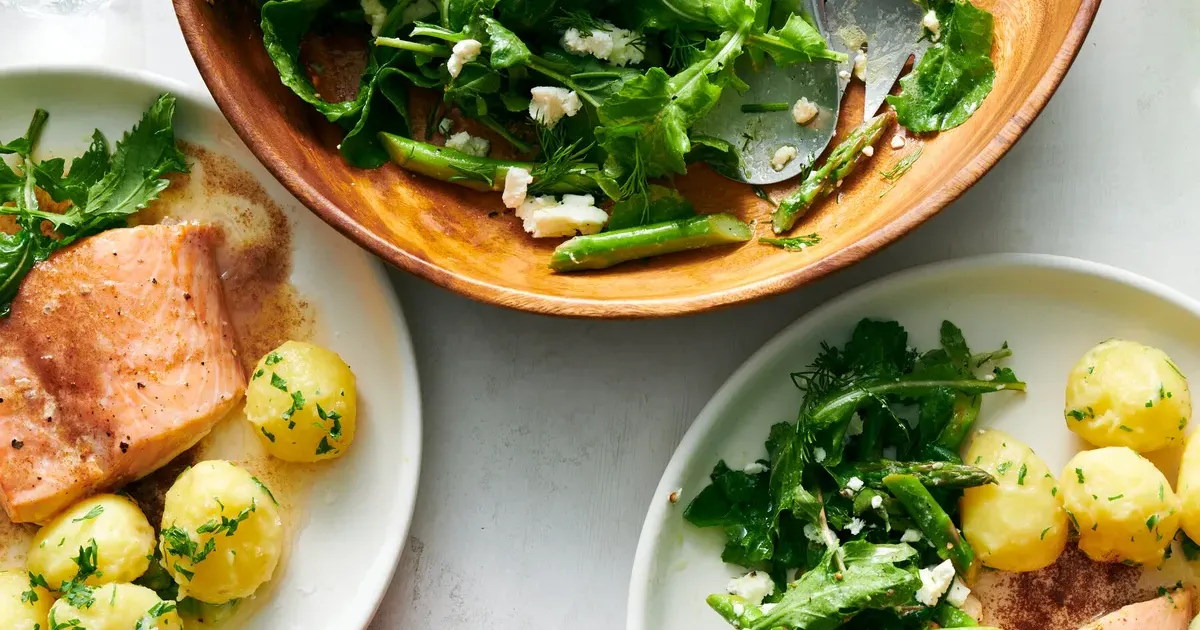
Chef David Tanis introduced a minimalist approach to spring dining on April 1, 2026, centering his seasonal menu on black pepper salmon and pan-roasted potatoes. This strategy aims to strip away the artifice often associated with multi-course gourmet meals. Salmon fillets serve as the anchor of the spread, prepared with a heavy application of cracked peppercorns to provide texture and heat. David Tanis emphasizes that luxury in the kitchen stems from the precision of the cook rather than the complexity of the recipe. Each component relies on the inherent quality of the raw ingredients.
Simplicity stays the primary driver of this technical shift in high-end home cooking.
Culinary Philosophy of David Tanis
Experience at Chez Panisse influenced the restrained aesthetic Tanis brings to his latest work. He avoids the complex reductions and foams that dominate Michelin-starred venues in favor of accessible, direct flavors. Market data from late 2025 showed a 14% increase in home cooks seeking professional-grade results with fewer than six ingredients. Tanis responds to this demand by elevating the standard salmon fillet through crust-building techniques. Heavy seasoning with black pepper creates a spicy, aromatic barrier that protects the delicate flesh of the fish during the searing process. Expert preparation ensures the interior stays moist while the exterior achieves a distinct crunch.
Professional kitchens often rely on expensive equipment, yet this specific menu requires only a heavy skillet and a sharp knife. Tanis focuses on the tactile nature of cooking, encouraging readers to feel the resistance of the fish and the firmness of the potatoes. Under his guidance, the home cook moves away from rigid timers and toward sensory cues. Searing the fish in a cast-iron pan allows for superior heat retention, which is critical for achieving a uniform crust. Leading culinary instructors agree that thermal stability is the secret to consistent results in seafood preparation.
Sourcing Premium Salmon and Seasonal Potatoes
Quality sourcing dictates the success of a menu with so few variables. Atlantic Salmon continues to be the most accessible option for most consumers, though wild-caught King salmon provides a richer fat content for those willing to pay a premium. Prices for high-quality fillets have stabilized at approximately $15 per pound in major urban centers. Tanis suggests selecting fish with vibrant color and firm texture, as these indicators point to freshness and proper handling. Proper storage at near-freezing temperatures prevents the degradation of delicate Omega-3 fatty acids before the fish hits the pan.
Potatoes, specifically waxy varieties like Yukon Gold or Red Bliss, provide the necessary structural support for the meal. These tubers hold their shape during roasting and absorb the rendered fats from the salmon, creating a cohesive flavor profile. Farmers in California and the Pacific Northwest report an early harvest this year, ensuring that fresh, thin-skinned potatoes are available for spring tables. Boiling the potatoes briefly before roasting ensures a creamy interior and a crisp skin. Salt and pepper remain the only required seasonings, allowing the earthy sweetness of the potato to shine through.
Mechanics of the Black Pepper Sear
Black pepper contains piperine, a compound that offers a different heat profile compared to the capsaicin found in chili peppers. David Tanis uses a coarse grind to maximize the surface area of the spice, which allows the oils to bloom in the hot fat. Chemical reactions between the pepper and the salmon skin produce a savory, slightly smoky aroma that defines the dish. High-heat searing triggers the Maillard reaction, a form of non-enzymatic browning that creates hundreds of different flavor compounds. Achieving this requires the pan to be shimmering hot before the fish is introduced.
Black pepper flavors the fillets central to David Tanis’s spring menu, bookended by an asparagus salad and a fresh strawberry tart.
Precision in the pan prevents the pepper from burning, which can introduce a bitter aftertaste. Tanis advises cooks to monitor the color of the crust, aiming for a deep mahogany instead of a charred black. Flipping the fish only once preserves the integrity of the crust and prevents the flesh from flaking prematurely. Resting the salmon for three minutes after cooking allows the juices to redistribute, ensuring every bite is succulent. Minimalist cooking leaves no room for error, as every flaw is visible on the plate without the cover of a sauce.
Asparagus and Strawberry Side Pairings
Asparagus is the secondary anchor for the spring menu, providing a crisp, vegetal contrast to the rich fish. Select spears that are pencil-thin for the best texture in a raw or lightly blanched salad. David Tanis utilizes a simple vinaigrette to highlight the natural bitterness of the stalks. Lemon juice and high-quality olive oil are the only additives needed to brighten the dish. Agricultural yields for asparagus in the early 2026 season have surpassed previous five-year averages, leading to lower prices for consumers at local markets.
Raw strawberries and a simple tart shell conclude the meal, focusing on the peak ripeness of the fruit. Tanis avoids heavy custards or whipped creams that might weigh down the palate after the salmon. Strawberry production in the southern United States peaked in late March, providing a surplus of fruit for early April menus. A light glaze or a dusting of sugar is sufficient to enhance the berries. This menu proves that sophisticated dining is achievable without the stress of complex logistics or exotic ingredients. The final result is a meal that feels curated and intentional, reflecting a mature culinary perspective.
The Elite Tribune Strategic Analysis
Gourmet signaling has moved from the complexity of the technique to the exclusivity of the ingredient. David Tanis is not merely offering a recipe; he is selling a philosophy of curated restraint that appeals to a specific class of time-poor, flavor-rich professionals. The rise of the minimalist spring menu is a direct rebuttal to the decade of over-engineered molecular gastronomy that alienated the domestic cook. By stripping the plate down to its skeletal components, Tanis challenges the reader to find value in the mundane act of searing a piece of fish. It is a calculated move to redefine luxury as the absence of clutter.
Critics might argue that charging for such simple advice borders on the redundant, but the market suggests otherwise. There is a deep psychological comfort in the assurance that a three-ingredient main course can satisfy a sophisticated palate. This trend reflects a broader cultural exhaustion with the performative nature of high-end lifestyle curation. The record confirms a return to the basics not because we have forgotten how to be complex, but because we have realized that complexity is often a mask for mediocrity. Tanis understands that in a world of endless noise, a quiet plate is the loudest statement a chef can make. Minimalist rigor is the new gold standard.