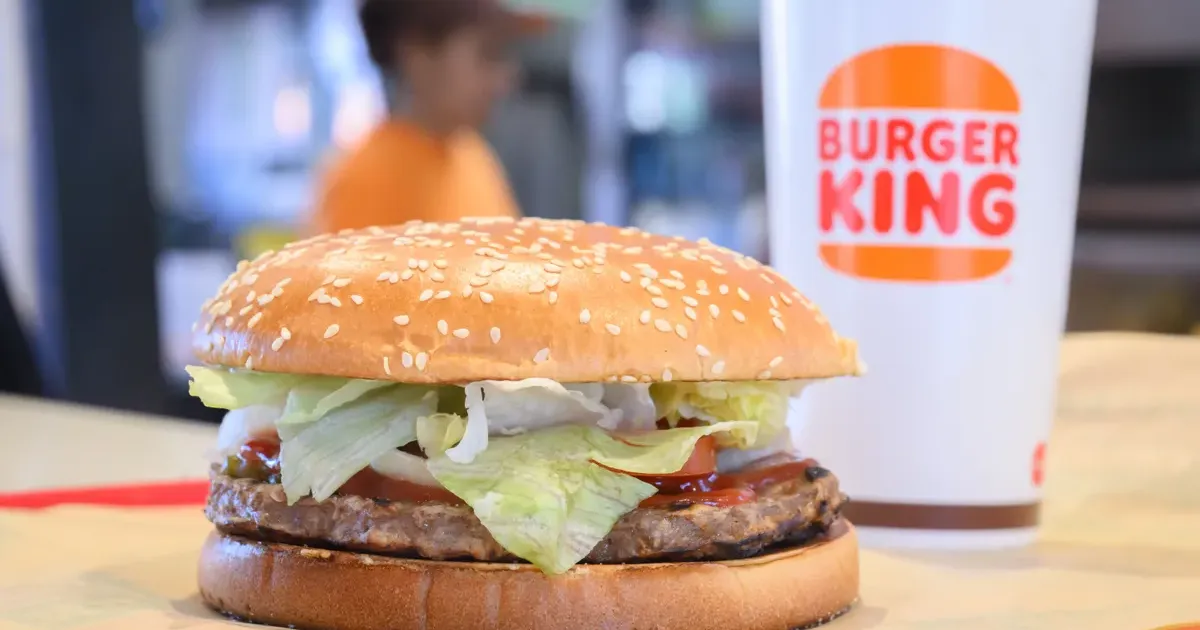
Major food manufacturers launched a coordinated wave of satirical product announcements on April 1, 2026, to capture consumer attention during the annual April Fools' Day marketing cycle. Burger King and Heinz led the digital charge by announcing absurd flavor combinations and impossible kitchen gadgets. These campaigns used satirical product launches to maximize social media engagement and harvest valuable consumer preference data. Digital traffic across fast-food platforms surged by double-digit percentages as users shared these jokes across global networks.
Historical Context of Culinary Deception
Historical precedents for these elaborate stunts date back to the middle of the twentieth century. One of the most successful examples involved the BBC broadcasting a segment about a Swiss spaghetti harvest in 1957. Viewers watched footage of farmers pulling strands of pasta from trees and subsequently flooded the station with inquiries on how to grow their own spaghetti. Such incidents established the foundation for modern corporate maneuvers that prioritize virality over literal truth.
Success in this arena depends on a delicate balance between absurdity and plausible innovation. During the late 1990s, Burger King published a full-page advertisement in USA Today announcing the Left-Handed Whopper. The company claimed the burger featured ingredients rotated 180 degrees to accommodate southpaw diners. Thousands of customers visited restaurants specifically requesting the redesigned sandwich, demonstrating the power of a well-executed prank to generate physical foot traffic. This tactic employed humor to mask a sophisticated test of brand reach and customer gullibility.
Analysts at Delish have tracked the evolution of these jokes from simple media stunts to integrated digital strategies. Modern campaigns often include 15 or more brands dropping fake products simultaneously to dominate the news cycle. These products often range from mayonnaise-filled donuts to glitter-infused mustard. While the items are not for sale, the engagement metrics they generate provide companies with a map of consumer interests and potential future markets.
Data Harvesting and Algorithmic Engagement
Brands like McDonald's have mastered the art of using fake announcements to trigger algorithmic priority. Social media platforms favor high-engagement posts, and nothing generates comments quite like a controversial food pairing. When a brand announces a pickle-flavored milkshake, it triggers thousands of reactions, shares, and mentions. This surge in digital activity pushes the brand to the top of consumer feeds, displacing organic content and competitors.
Engagement data collected during these events allows marketing departments to refine their target demographics. Every click on a joke product link contributes to a user profile that identifies which consumers are most likely to interact with disruptive advertising. Companies track how long a user views a prank video or whether they share the content with friends, creating a detailed map of social influence. Marketing budgets for these events have grown to exceed $450 million annually across the food and beverage sector.
Marketing executives often use these stunts to gauge genuine interest in bizarre flavor profiles. If a fake product receives an overwhelmingly positive response, companies may pivot to a limited-time release of the real item. The transition from a joke to a legitimate retail product has happened with several condiment variations and snack flavors over the last decade. Brands treat the holiday as a low-risk environment for extreme product testing.
Corporate Strategy and Product Demand Testing
The digital footprint of these campaigns extends far beyond a twenty-four-hour window. Search engine optimization benefits from the influx of keywords related to the brand and the specific prank. Across the industry, retailers report that the buzz generated on April 1 often sustains elevated website traffic for several days. Unlike traditional advertising which requires huge media buys, viral pranks rely on the audience to provide the distribution for free.
"Some are absurd, some are brilliant, and a few honestly deserve a real launch," according to a report from Delish.
Traditional marketing models are struggling to compete with the cost-effectiveness of satirical content. A single viral tweet can reach more viewers than a million-dollar television commercial during prime time. Future strategies will likely involve more interactive elements, such as augmented reality filters that allow users to see themselves using the fake products. Every interaction provides another data point for the corporate machinery to process.
Revenue growth remains the ultimate goal of these supposedly lighthearted efforts. By creating a sense of shared humor, brands build a psychological connection with consumers that goes beyond the transactional nature of buying food. This phenomenon creates a halo effect that can boost sales of standard menu items during the weeks following the prank. Corporate humor is a calculated tool for market dominance.
The Elite Tribune Strategic Analysis
Conventional wisdom treats April Fools' Day as harmless fun, yet it functions as a mass psychological experiment in brand loyalty. The public participates in these charades with a level of enthusiasm that suggests a desperate need for levity, which corporations are more than happy to exploit for cold, hard data. Every share of a fake pickle-flavored soda is a voluntary submission to an algorithm designed to sell more sugar and grease. What is unfolding is the weaponization of irony where the joke is always on the consumer who believes they are in on the gag.
The efficiency of this model is terrifying. Publicity has become a self-replicating virus that feeds on the vanity of the social media user.
Such aggressive marketing tactics signal a future where the line between product testing and public deception disappears entirely. If a company can convince a million people to engage with a non-existent sandwich, it can convince them of almost anything. Data harvested today will be used to manipulate purchasing habits tomorrow with surgical precision. Exploitation never tasted so sweet.