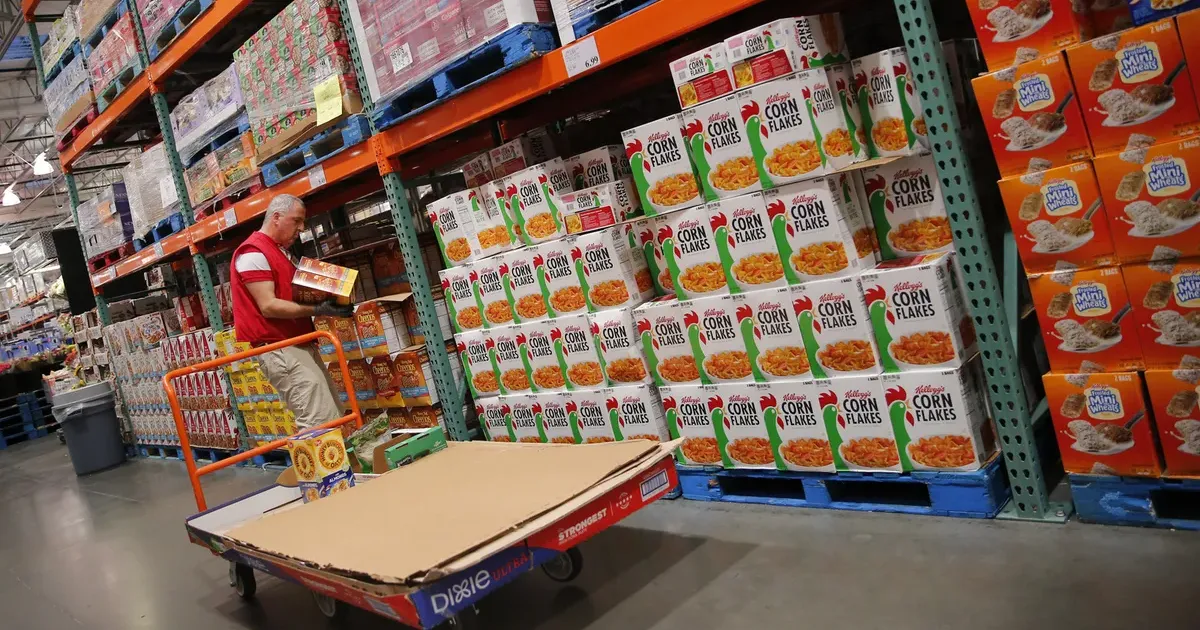
Costco members on April 1, 2026, adopted refined logistics-based shopping habits to secure high-value inventory before regional depletion occurred. Retail data indicates that consumer behavior now mirrors professional supply-chain management as shoppers seek to maximize their membership value. These individuals prioritize timing to ensure access to freshly restocked shelves and premium items. Inventory fluctuations often dictate the success of a trip to the warehouse. Warehouse employees typically process large shipments during the early morning hours to prepare for the doors opening.
Reddit shoppers frequently discuss the optimal windows for navigating these vast retail spaces without encountering empty pallets. Consensus suggests that Monday and Tuesday mornings provide the most reliable access to new merchandise. Shipments arriving over the weekend often sit in the back until the early week reset begins. Many locations use these days to reorganize the floor after the heavy traffic of Saturday and Sunday. Members who arrive within the first hour of operation on a Tuesday report finding the highest density of new product arrivals.
Reddit Users Identify Optimal Restock Windows
Digital communities have transformed the way individuals approach the warehouse club experience. Users on Reddit crowdsource inventory levels across different states to predict when specific luxury or seasonal items will hit the floor. This coordination allows members to bypass the frustration of wasted trips. Mid-week periods, specifically Wednesdays and Thursdays, often serve as secondary restock windows for non-perishable goods. Seasonal rotations usually occur during these quieter days to avoid obstructing weekend crowds. Foot traffic remains lowest during these windows, allowing for a more efficient selection process.
Weekend shopping presents meaningful challenges for those seeking specific inventory. High volume on Saturdays often leads to immediate depletion of popular items before the afternoon restock can occur. Employees focus primarily on crowd management and safety rather than shelf organization during peak hours. Some members suggest that arriving late on a Sunday can yield clearance deals as the store prepares for the Monday reset. Most warehouses receive their primary weekly shipments in the pre-dawn hours of Monday.
Monday and Tuesday mornings are best for restocked shelves, according to Reddit shoppers who have figured out the ideal and worst timing for their visits.
Inventory management software dictates the flow of goods from distribution centers to individual warehouses. Local managers have some discretion, but the broader schedule follows rigid corporate logistics. Fresh produce and bakery items arrive daily, yet the specialized center-aisle products follow a different cadence. Understanding this rhythm requires observation of the specific warehouse location. Patterns in shipping arrivals often remain consistent for months at a time.
High Fiber Inventory Drives Bulk Purchase Trends
Nutritional density has become a primary driver for Kirkland Signature product selection among health-conscious buyers. Tasting Table analysts recently identified 13 high-fiber finds that offer serious value when purchased in bulk. Items such as organic black beans and chickpeas provide shelf-stable protein and fiber at a fraction of grocery store prices. Lentils and quinoa also appear frequently on the list of recommended staples. These products allow families to maintain dietary goals without the premium cost associated with specialty health food retailers. High-fiber diets support metabolic health and long-term wellness.
Chia seeds and flax seeds represent another category of high-value bulk purchases found at the warehouse. Members often find these items in the baking or health food aisles at meaningful discounts. Large bags of rolled oats provide a versatile base for breakfast while contributing meaningful daily fiber. Many shoppers prioritize these items because they do not expire quickly, making them ideal for the bulk model. Strategic buyers often stock up on these essentials during the quieter mid-week restock periods. Storage capacity in the home determines the feasibility of these large-scale purchases.
Frozen fruits and vegetables offer a convenient way to integrate fiber into a daily routine. Costco maintains a large selection of organic frozen berries and mixed greens that retain their nutritional value for months. These items are particularly useful for smoothies or quick meals when fresh inventory is low. Experts suggest that the fiber content in frozen produce matches or exceeds that of fresh items that have spent days in transit. Bulk bags of frozen broccoli and green beans remain staples for members seeking to improve their gut health. Frozen inventory arrives in specialized refrigerated trucks several times per week.
Inventory Management Patterns Influence Member Behavior
Logistical efficiency at the warehouse level depends on the rapid turnover of pallets. The business model relies on moving large volumes of product with minimal labor intervention. Shoppers who understand this mechanic can predict where items will be moved within the store. The center of the warehouse, often called the center court, features the newest and most time-sensitive inventory. Older stock often moves toward the perimeter or the back of the store to make room for incoming pallets. This rotation ensures that inventory stays fresh and relevant to current consumer demands.
Price tags also offer clues about the lifecycle of a product. Items ending in .97 indicate a manager-cleared price, often signaling that the product will not be restocked. Shoppers who find these deals on high-fiber staples can save even more on their monthly grocery bills. An asterisk in the upper right corner of the price sign suggests the item is being discontinued from that specific location. Knowledgeable members scan for these symbols to determine if they need to buy multiples of a favorite item. These visual cues serve as an informal communication system between the retailer and the member.
Supply-chain transparency has become a focal point for the modern consumer. People want to know when their favorite items will return to the shelves after a period of scarcity. While the warehouse club does not provide a public restock calendar, consistent shoppers develop an intuition for the cycle. Regional differences in shipping lanes can cause variations between the East and West Coast locations. Despite these differences, the core principle of early-week restocking remains a standard across the industry. Membership retention often depends on the consistent availability of these core products.
Nutritional Density Becomes Focal Point for Bulk Buyers
Buying in bulk requires a strategic approach to food waste and nutrition. High-fiber foods are particularly well-suited for this model because many are dried or frozen. Almonds and walnuts provide healthy fats and fiber, but they must be stored properly to maintain freshness. Many members choose to freeze their bulk nut purchases to prevent the oils from going rancid over time. Avocado bags offer excellent value, provided the shopper can use them before they over-ripen. Some consumers purchase a mix of ripe and firm avocados to stagger their consumption throughout the week.
Whole grain breads and sprouted grain options found in the bakery section add to the fiber count of a typical trip. Brands like Ezekiel 4:9 are frequently available in multi-pack configurations that lower the price per loaf. These products support digestive health and provide sustained energy throughout the day. Members often report that the cost savings on these specific health-focused items cover the price of their annual membership. The focus on nutritional density aligns with broader health trends in the US and UK. Demand for these items continues to grow as consumers move away from processed carbohydrates.
Fresh produce sections remain the most volatile area of the warehouse. Berries and leafy greens have the shortest shelf life and require the most frequent restocking. Shoppers who visit on Monday mornings often get the first pick of the newest fruit shipments. Quality controls teams work through the night to cull damaged items before the morning rush. Fiber-rich vegetables like Brussels sprouts and sweet potatoes are usually available in five-pound bags. These large quantities require meal planning to ensure every item is consumed. Efficiency in the kitchen mirrors the efficiency of the warehouse floor.
The Elite Tribune Strategic Analysis
Does the warehouse club model thrive on efficiency or the carefully manufactured illusion of scarcity? While Costco operates on thin margins that require high-volume turnover, the lack of digital inventory transparency for members feels increasingly archaic. The reliance on Reddit communities to track restock cycles is not a charming quirk of the brand; it is a serious failure in the user experience that favors the retired or the unemployed who can shop on a Tuesday morning. This informational asymmetry creates a tiered membership experience where those with the most free time extract the most value.
The emphasis on high-fiber staples reflects a broader shift toward functional nutrition, yet the bulk model itself encourages a specific type of overconsumption that is rarely scrutinized. Stocking up on $1.50 hot dogs while simultaneously hunting for bulk chia seeds illustrates a deep cognitive dissonance in the American diet. What is unfolding is the commodification of wellness through the lens of industrial logistics. The real winners in this scenario are not the shoppers who save ten cents per pound on lentils, but the corporation that has convinced them to pay for the privilege of performing their own labor.
Success in the warehouse is measured by how much you leave behind, not just what you take home. Expect the membership fees to rise as the data harvested from these shopping patterns becomes more valuable than the products themselves. The warehouse is a trap designed for the middle class.