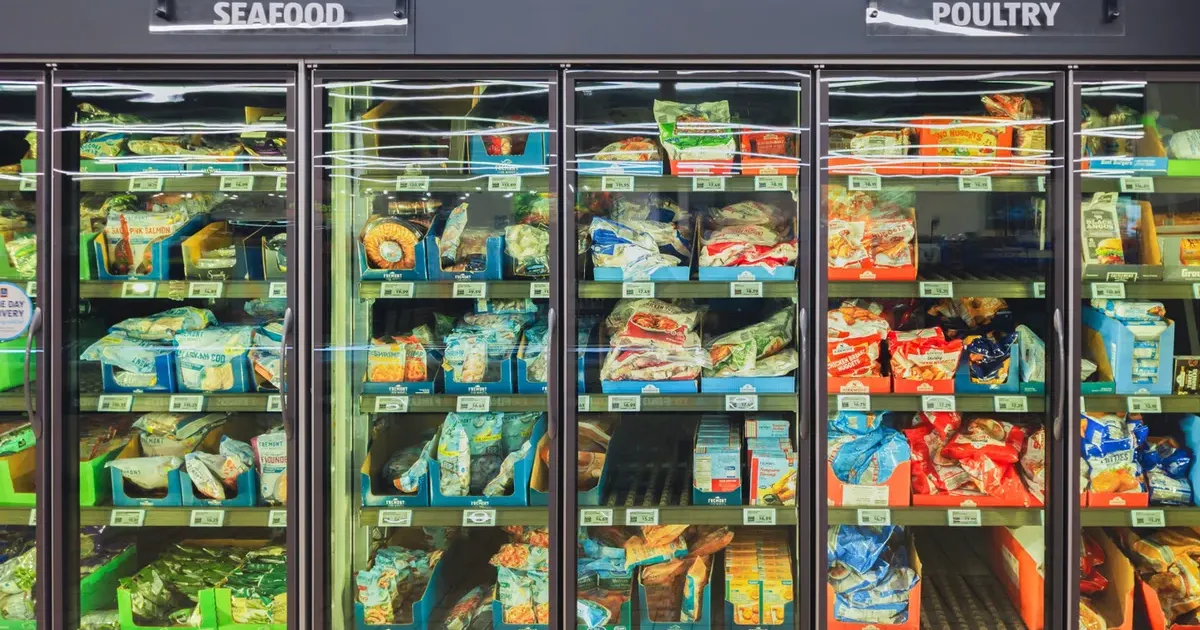
Aldi management implemented a nationwide inventory reduction on April 1, 2026, which effectively ended the availability of several Kirkwood breaded poultry items. Retailers often shuffle seasonal offerings, yet the permanent removal of these specific products has prompted serious backlash across social media platforms. Shoppers across the United States reported empty freezers in sections previously reserved for the cult-favorite red-bagged fillets. Corporate headquarters in Batavia, Illinois, has not released a formal list of replacements for the vacant shelf space. This shift in inventory reflects a broader trend within the discount grocery sector where high-velocity stock takes precedence over enduring fan favorites.
Reports from store managers indicate that the decision stems from a need to optimize logistics and warehouse capacity. Freezers previously stocked with the breaded fillets now hold a variety of rotating specialty items. Customer satisfaction scores for the frozen meat category dipped immediately following the disappearance of the Kirkwood brand. Market analysts observe that Aldi relies on a limited-SKU model to keep overhead costs lower than traditional supermarkets like Kroger or Publix. A typical store carries only 1,400 core items compared to 30,000 at a standard grocery chain.
Aldi Supply-chain Efficiency Targets
Efficiency remains the primary driver behind the aggressive trimming of product lines. Warehouse space for frozen goods costs considerably more to maintain than ambient temperature storage. Management monitors the turnover rate of every pallet that enters the distribution network. Slow-moving poultry products, regardless of their online popularity, face immediate deletion if they do not meet strict margin requirements. Supply-chain data shows that the cost of poultry production rose by 12% over the last fiscal year. Increased transportation expenses for refrigerated freight further compressed the profit margins on the breaded chicken line.
Private label brands like Kirkwood provide Aldi with higher margins than national brands would offer. Maintaining these lines requires consistent manufacturing partners who can meet high volume demands. Production bottlenecks at regional processing facilities likely contributed to the decision to pause or end the specific product run. Internal documents suggest the company is prioritizing products with shorter production lead times to avoid stockouts. Shipping delays at major coastal ports continue to disrupt the arrival of specialized packaging materials used for the frozen fillets.
Inventory managers use sophisticated algorithms to determine which items survive the quarterly review. Every product must justify its footprint on the shelf through a combination of sales volume and consumer loyalty metrics. Poultry items frequently fall under scrutiny due to the volatile nature of the wholesale meat market. Stability in the supply-chain is currently more valuable to the Aldi business model than variety. The current logistics network prioritizes high-demand staples like milk, eggs, and fresh produce.
Consumer Reaction to Kirkwood Chicken Exit
Consumer sentiment took a sharp negative turn once shoppers realized their favorite easy-meal solution had vanished. Dedicated Facebook groups and Reddit communities dedicated to Aldi enthusiasts documented the disappearance in real-time. Members shared photos of empty freezer cases and expressed frustration over the lack of communication from store staff. Some shoppers traveled to multiple locations in hopes of finding leftover stock. These efforts largely proved unsuccessful as the removal was synchronized across regional hubs. This dip in the frozen meat category follows broader industry shifts, as seen in our recent Aldi chicken tender ranking.
"One of the biggest complaints customers have about Aldi is that it's always discontinuing items, and the latest one to go missing has struck a particular chord," a report from Tasting Table stated regarding the current consumer backlash.
Psychological attachment to private label products is a documented phenomenon in the discount retail space. Shoppers view these items as "finds" that offer premium quality at a fraction of the national brand price. The loss of such a product disrupts established shopping routines and erodes brand trust. Digital petitions have already begun circulating to demand the return of the red-bagged fillets. Similar movements in the past have occasionally forced Aldi to bring back items as limited-time ALDI Finds. Social media mentions of the brand increased by 400% in the forty-eight hours after the news broke.
Retail experts suggest that this level of consumer engagement is a trade-off for the company. High engagement proves the brand has a loyal base, but it also creates public relations challenges when popular items are cut. Customer service lines have been flooded with inquiries regarding the chicken fillets. Automated responses from the company cite a commitment to providing the best value rather than confirming a specific return date. Most regional warehouses have already cleared the SKU from their active ordering systems.
Private Label Competition and Pricing Pressures
Competitive pressures from other discount retailers like Lidl and Walmart influence Aldi’s inventory decisions. Lidl often introduces similar breaded chicken products at lower price points to attract the same demographic. Price wars in the frozen aisle force grocers to constantly re-evaluate their supplier contracts. Aldi reportedly renegotiates its poultry contracts every six months to stay ahead of market fluctuations. Transitioning a product from a permanent staple to a rotating seasonal item allows the company to buy in bulk during price troughs. This strategy protects the bottom line from sudden spikes in wholesale costs.
Shoppers often compare the Kirkwood brand to fast-food offerings, specifically the sandwiches found at Chick-fil-A. This comparison boosted the product to viral status over the last three years. Replicating that level of success with a new replacement product is difficult and expensive. Branding experts note that the cult status of the red bag chicken was an organic marketing victory that the company did not pay for. Replacing it with a generic alternative could alienate the very shoppers who drove the brand’s growth. Walmart has recently expanded its Great Value poultry line to capture these displaced customers.
Financial performance in the frozen food sector persists as a key metric for investors and stakeholders. Despite the public outcry, the company maintains that its lean inventory strategy is what allows for $8.99 price points on other core essentials. Every inch of freezer space dedicated to a low-margin item is an inch lost for a potential high-growth product. Aldi plans to open 2,300 new stores by the end of the decade, requiring a highly standardized inventory across all locations. Deviations from the core master list complicate the rollout of new storefronts.
The Elite Tribune Strategic Analysis
Aldi’s decision to axe a foundation frozen product highlights a ruthless commitment to operational velocity over brand sentimentality. Most grocers view customer favorites as anchors that guarantee foot traffic. Aldi views every square inch of freezer space as an expense that must justify its existence through high-speed turnover. If a product fails to meet internal velocity thresholds, it disappears. The mechanical approach to retail removes the human element of shopping, turning a grocery trip into a gamble on inventory availability. Loyalty is a two-way street that Aldi seems increasingly willing to pave over with cold efficiency.
If consumers cannot rely on finding their staples, they may eventually migrate toward competitors who prioritize consistency. For now, Aldi bets that its prices are low enough to excuse its lack of loyalty to the items its customers love most. The gamble assumes that the discount shopper is purely transactional and lacks the emotional connection to brands that traditional retailers cultivate. History suggests that while price is the primary driver for the initial visit, consistency is what keeps a customer from checking the flyer at the shop across the street.
Aldi has chosen to be a logistics company that happens to sell food. The question is how much shelf-clearing the average American family will tolerate before the treasure hunt loses its charm. Verdict: Profit wins.