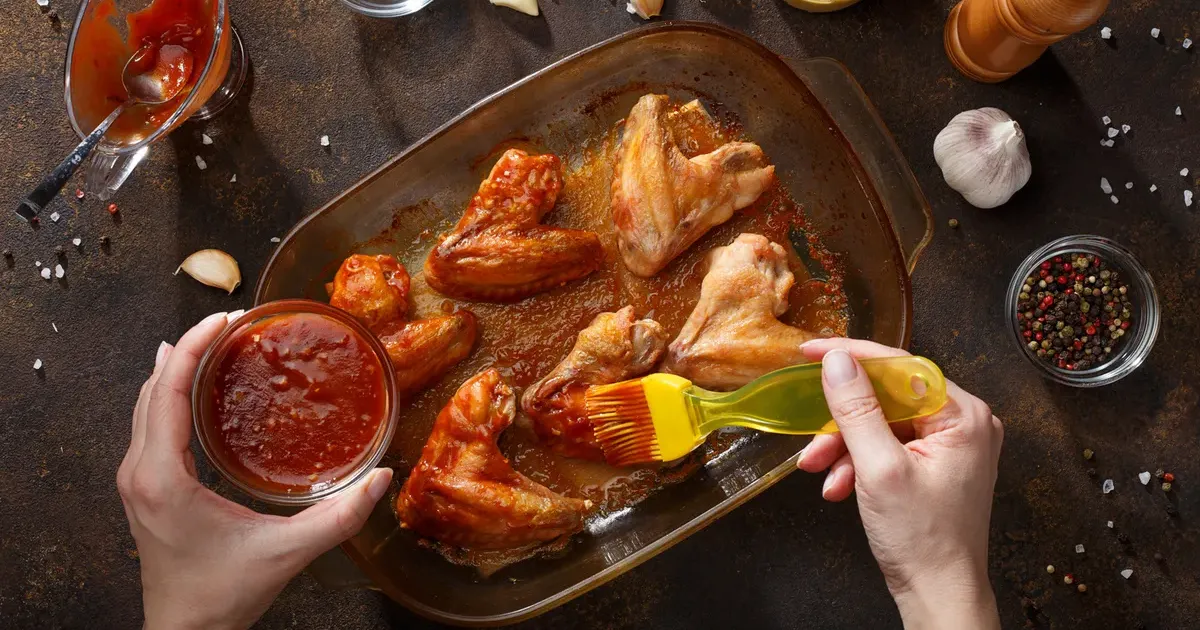
Tasting Table revealed on April 2, 2026, a series of technical culinary interventions designed to modernize domestic protein preparation. These findings suggest a serious departure from acid-heavy marinades, favoring instead the viscous, lipid-rich profile of common peanut butter. While traditionalists often rely on vinegar or citrus to tenderize meat, the integration of nut-based fats offers a different mechanism for flavor delivery and moisture retention. High concentrations of monounsaturated fats in peanut butter act as a protective barrier, preventing the rapid dehydration of muscle fibers during high-heat cooking cycles.
This shift in methodology reflects a growing interest in molecular gastronomy within the home kitchen environment. Food scientists note that the sugars present in commercial peanut butter contribute directly to the Maillard reaction, the chemical process that creates the complex, savory crust on seared meats.
Peanut Butter Integration in Savory Marinade Structures
Peanut butter functions primarily as an emulsifier when combined with soy sauce, lime juice, or aromatics like ginger and garlic. Its unique ability to bind oil-based and water-based ingredients ensures that the marinade adheres to the surface of the meat rather than pooling at the bottom of the preparation tray. Integrating this pantry staple provides a velvety texture that thinner liquids cannot achieve. Such a thick coating allows for more consistent heat distribution, which reduces the likelihood of scorching delicate spice blends.
Historically, the use of nut pastes in savory dishes traces back to West African and Southeast Asian traditions, yet its re-emergence in Western domestic cooking indicates a broader acceptance of cross-cultural techniques. Market data suggests that the global peanut butter market surpassed $11 billion recently, driven by its versatility beyond simple spreads.
"Pasta shells aren't the only food that deserves to be stuffed with cheese; your meatballs can get ooey and gooey when rolled around it," noted the editorial team at Tasting Table.
Achieving the perfect balance in a marinade requires understanding how fats interact with proteins over extended periods. Nut butters provide a high smoke point compared to many cold-pressed oils, making them ideal for outdoor grilling or heavy-duty cast-iron searing. Protein denaturation occurs more gradually when the meat is encased in a fatty slurry, resulting in a more tender interior. Experts suggest that a single scoop of creamy peanut butter can stabilize an entire cup of liquid marinade.
This prevents the separation of ingredients during the marination process, which can last anywhere from thirty minutes to twenty-four hours depending on the density of the cut. Commercial brands often include small amounts of salt and sugar, which further enhance the osmotic pressure required to draw flavors deep into the meat.
Molecular Effects of Creamy Pantry Staples on Protein
Molecular researchers have long studied the impact of nut oils on the structural integrity of bovine and poultry tissues. Peanuts contain specific proteins that, when heated, create a flavorful crust that effectively seals in natural juices. This physical phenomenon is particularly useful for leaner cuts of meat like chicken breast or pork tenderloin, which are prone to drying out. Adding a creamy element to the marinade also buffers the intensity of acidic components. While lemon juice or balsamic vinegar can break down connective tissue, excessive exposure often results in a mushy texture.
Lipid-rich additives counteract this by slowing the rate of acid penetration. Carbon-based chains within the peanut fats provide a platform for aromatic compounds to linger on the palate longer than water-soluble flavors. Most commercial peanut butter varieties also contain lecithin, a natural stabilizer that improves the overall consistency of the sauce.
Chefs increasingly prefer thick, paste-like marinades for their ability to withstand the turbulence of modern convection ovens.
Structural Evolution of Stuffed Cheese Meatballs
Internalizing the flavor profile of a dish represents the next phase of the meatball evolution as home cooks move away from traditional pasta-centric meals. Instead of serving cheese on top of the protein, the new technique involves wrapping the meat mixture around a solid core of dairy. The structural changes alter the thermal dynamics of the cooking process. Heat must penetrate the outer layer of ground meat before reaching the cheese, which ensures the core melts exactly as the exterior reaches its safe internal temperature.
Varieties such as Gorgonzola or mozzarella provide distinct melting points that affect the final mouthfeel of the dish. A soft, blue cheese core offers a sharp contrast to the savory notes of beef or pork. The method effectively turns the meatball into a self-contained flavor bomb, eliminating the need for complex side dishes or heavy pasta shells. Engineering a meatball that holds its shape while containing a molten center requires a specific ratio of binders like breadcrumbs and eggs.
Fat distribution within the meatball becomes more critical when an additional fat source is introduced at the center.
Ground meat blends with a 20 percent fat content typically provide the best structural support for cheese stuffing. Using leaner meats can lead to cracking, which allows the cheese to leak out during the baking or frying process. Precision in sizing is also essential for ensuring uniform cooking times across a single batch. Most culinary guides recommend a standard diameter of two inches to accommodate a half-inch cube of cheese. Regarding the choice of dairy, semi-hard cheeses like provolone or fontina stay intact longer than high-moisture varieties.
The durability is essential for maintaining the visual appeal of the dish when it is sliced open for serving. Culinary historians note that stuffed meat preparations have existed for centuries, but the specific focus on the meatball reflects a contemporary desire for bite-sized, high-protein snacks. The shift toward these dense, flavorful units marks a decline in the dominance of traditional carbohydrate-heavy Italian-American staples.
Economic Impacts of Professional Culinary Hacks
Domestic cooking habits continue to adapt as inflation pressures household food budgets across the United States and the United Kingdom. Using pantry staples like peanut butter as high-performance marinades allows families to elevate cheaper cuts of meat without purchasing expensive specialty sauces. The trend aligns with the broader moves toward sustainable, long-shelf-life ingredients that offer multiple utilities. Strategic ingredient repurposing reduces waste and maximizes the value of every grocery store visit. Professional kitchens have used these techniques for years to maintain margins while delivering complex flavor profiles to diners.
Now, these secrets are migrating into the mainstream via digital culinary platforms. The democratization of these hacks has shifted the power dynamic between professional chefs and home enthusiasts. Success in the kitchen is no longer defined by the rarity of one's ingredients, but by the technical application of common items. Peanut butter, once relegated to the lunchbox, has earned a permanent place in the sophisticated cook's arsenal. Records show that interest in "pantry-to-table" cooking has increased by 40 percent in the last two years alone.
The Elite Tribune Strategic Analysis
Innovation in the domestic kitchen is frequently a byproduct of economic necessity, yet the current obsession with culinary hacks feels more like a desperate attempt to find novelty in a saturated market. The promotion of peanut butter as a revolutionary marinade base is not a breakthrough; it is a rebranding of centuries-old global traditions for a Western audience that has forgotten how to cook with anything other than pre-packaged oils. While the chemistry of lipids and proteins is sound, the narrative surrounding these "game-changers" ignores the underlying reality of the modern food industry.
The evidence points to a shift where technical skill is being replaced by gimmicks designed for visual impact on social media. The meatball stuffed with cheese is the perfect example of this aesthetic-first approach to dining.
Consumer behavior suggests a growing boredom with traditional meal structures, leading to an arms race of flavor density. The trend toward "ooey and gooey" interiors and nut-crusted exteriors mirrors the broader cultural move toward extreme sensory experiences. If every meal must be a structural masterpiece or a chemical experiment, the fundamental art of simple, high-quality ingredient preparation will inevitably suffer. The real test for the culinary industry will be whether these techniques survive the next cycle of food trends or vanish once the novelty of a peanut-butter-marinated steak wears off. Culinary sophistication is not found in a jar of Jif. It is found in the restraint of the cook. Efficiency outweighs gimmickry.