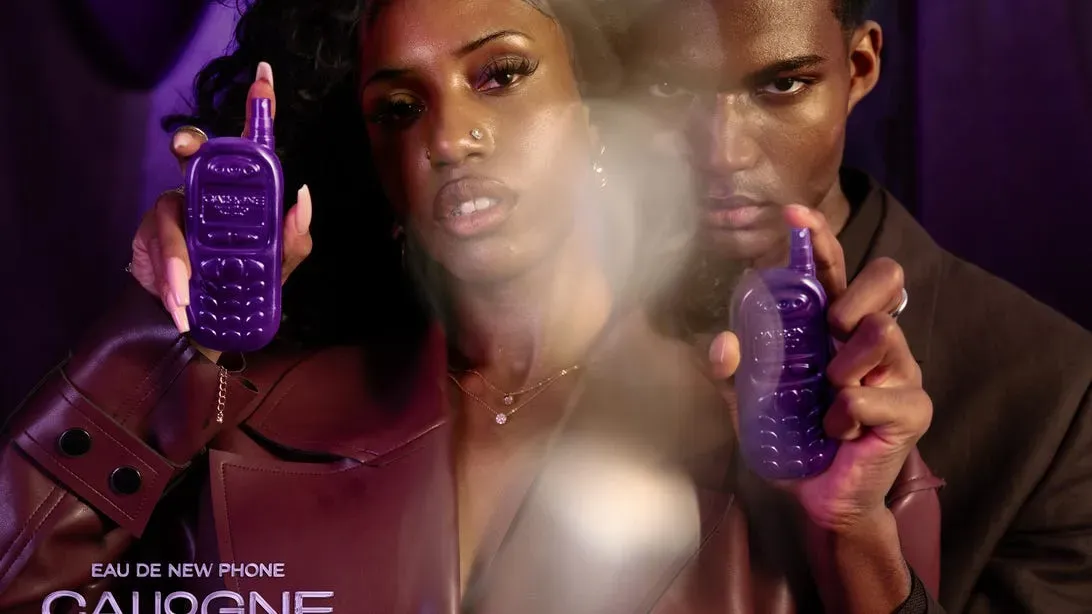
T-Mobile and Yahoo led a wave of digital fabrications that highlighted the increasingly strained relationship between corporate marketing and consumer trust. These annual displays of corporate wit often struggle to find a receptive audience at a time when misinformation remains a persistent digital threat. On April 1, 2026, global brands spent the morning deploying elaborate hoaxes across social media platforms, ranging from fictional fragrance lines to unnecessary linguistic software.
Marketing teams at T-Mobile chose to lead their campaign with the announcement of a branded cologne. This fictional scent allegedly captured the essence of wireless connectivity, though the company quickly clarified the product was merely a seasonal gimmick. Scent-based branding is not a new concept in the retail sector, but its application to a telecommunications provider highlights the lengths to which firms will go to secure temporary viral engagement.
T-Mobile Cologne and Mobile Branding Gimmicks
Communication from the carrier suggested that the fragrance was intended to evoke the feeling of 5G speed. Consumers who attempted to purchase the item were redirected to standard promotional pages for mobile data plans. Industry observers noted that while the joke was harmless, it occupied serious advertising real estate during a peak news cycle. T-Mobile continues to use these stunts to maintain a playful brand identity, despite the diminishing returns of traditional prank marketing.
On another front, Yahoo introduced a concept that blurred the lines between satire and utility. Their proposed device aimed to stop users from doomscrolling, a term describing the compulsive consumption of negative news. Some elements of the announcement appeared to be based on actual software features the company is developing to improve digital wellness. Because the device occupied a space between a joke and a real prototype, many users expressed confusion regarding its availability.
Yahoo Targets Doomscrolling Habits With New Tool
Yahoo executives frequently explore ways to keep users within their ecosystem while appearing to care about mental health. Critics argue that a search engine profiting from engagement cannot sincerely offer a hardware solution to limit that same engagement. The ambiguity of the announcement served to frustrate users who were genuinely interested in tools to manage their screen time. Digital fatigue has become a primary concern for consumers who no longer find the irony of such product launches amusing.
Brands and a holiday dedicated to hoaxes are rarely a winning combo. If you are a company with any kind of social media, internet, or AI chatbot presence in 2026, you really, truly only have four options: don’t do a joke, do a joke that is actually a real product, be extremely clear that it is a joke, or lie to your customers.
Lying to customers, as Chaim Gartenberg previously suggested, often results in pointless PR gains at the cost of long-term reputation. While some companies believe there is no such thing as bad publicity, the modern internet environment proves otherwise. Deception, even when framed as humor, can erode the fragile bond between a service provider and its subscriber base. $11 billion in marketing spend is wasted annually on campaigns that fail to resonate with their target demographics.
Translation Software and Gaming Hardware Hoaxes
Software developer Timekettle contributed to the day's events by announcing a translator specifically for British and American English. This fictional update claimed to bridge the gap between regional dialects that are already mutually intelligible. Users of the Timekettle hardware noted that the joke felt redundant given that their current devices already handle complex language barriers. The stunt highlighted a common trend where companies invent problems just to solve them with imaginary software.
Gaming hardware manufacturer Elgato entered the fray with a physical lever attachment for its Stream Deck Plus device. This mechanical addition was presented as a high-tech solution for streamers, though its utility was entirely performative. Elgato has a history of creating niche hardware, making this specific prank more believable than others. Several content creators expressed disappointment when they discovered the lever would not be entering production. Jokes often land better than multi-day build-ups that lead to nothing.
Hardware enthusiasts were also treated to a fictional Macintosh backpack and a series of oversized styli. These items played on nostalgia for vintage Apple aesthetics while mocking the current trend of oversized tech accessories. These pranks generally fall into the category of harmless fun because they target a specific subculture that understands the internal references. They do not, however, provide any material benefit to the company beyond a few thousand likes on social media.
Consumer Backlash Against Digital Deception Tactics
Connor Storrie became the face of a particularly strange hoax involving a solution for butt dialing. The fictional app used biometric sensors to determine if a phone was placed in a pocket or held in a hand. While the technology for such a feature exists, the presentation was clearly satirical. Such jokes rely on the relatability of common tech frustrations to gain traction. The problem remains that many users prefer actual fixes to these issues over social media punchlines.
Pokémon fans were briefly misled by a who is that Pokémon gag that turned out to be a corporate logo. The type of bait-and-switch marketing often triggers a negative reaction from dedicated fanbases. When brands use beloved intellectual properties to drive engagement for unrelated services, the results are rarely positive. Consumer data shows that younger audiences are particularly skeptical of corporate humor that feels forced or insincere. Brands that ignore this trend risk alienating the very people they are trying to reach.
Traditional advertising methods are undergoing a transformation as firms struggle to navigate a landscape filled with AI-generated content. On April 1, 2026, the prevalence of deepfakes and automated bots made it even harder for the average user to distinguish between a joke and a legitimate news story. The environment makes the deliberate spread of misinformation by corporations feel irresponsible to many observers. Reliability is becoming a premium commodity in the digital economy.
Engagement metrics for this year's crop of jokes indicate a downward trend compared to previous years. Users are increasingly likely to mute brand accounts that participate in these annual rituals. The resource drain required to create high-quality video assets for a one-day joke is difficult to justify to shareholders. Companies that choose to abstain from the holiday entirely often see no negative impact on their brand sentiment. Silence is a valid marketing strategy.
Trust Costs of Corporate Humor. Why do multi-billion dollar corporations still think they are funny? The annual descent into corporate comedy every April 1st is not a charming tradition but a desperate attempt at humanization by entities that are anything but human. In a 2026 media environment already poisoned by generative AI and deepfakes, the deliberate injection of more falsehoods into the stream is a form of marketing malpractice. T-Mobile and Yahoo are not your friends, and their attempts to play the class clown only serve to highlight the artificiality of their brand personas.
The era of the harmless prank is dead. When a company like Timekettle or Elgato spends thousands of man-hours on a fake product, they are telling their customers that their time is less valuable than a fleeting moment of viral engagement. It is an arrogant use of resources. If a company has the engineering capacity to design a lever for a Stream Deck or a translation algorithm for dialects, they should use it to solve a real problem. Using it for a punchline is a confession of creative bankruptcy.
Stop the charade. The most innovative move a brand can make on April Fools' Day is to provide a service that actually works without irony. Investors should be asking why marketing budgets are being diverted into the digital equivalent of a whoopee cushion. Credibility is the only currency that still matters in a post-truth world. Every fake cologne and imaginary backpack is a withdrawal from the bank of consumer trust. The verdict is clear: quit the jokes.