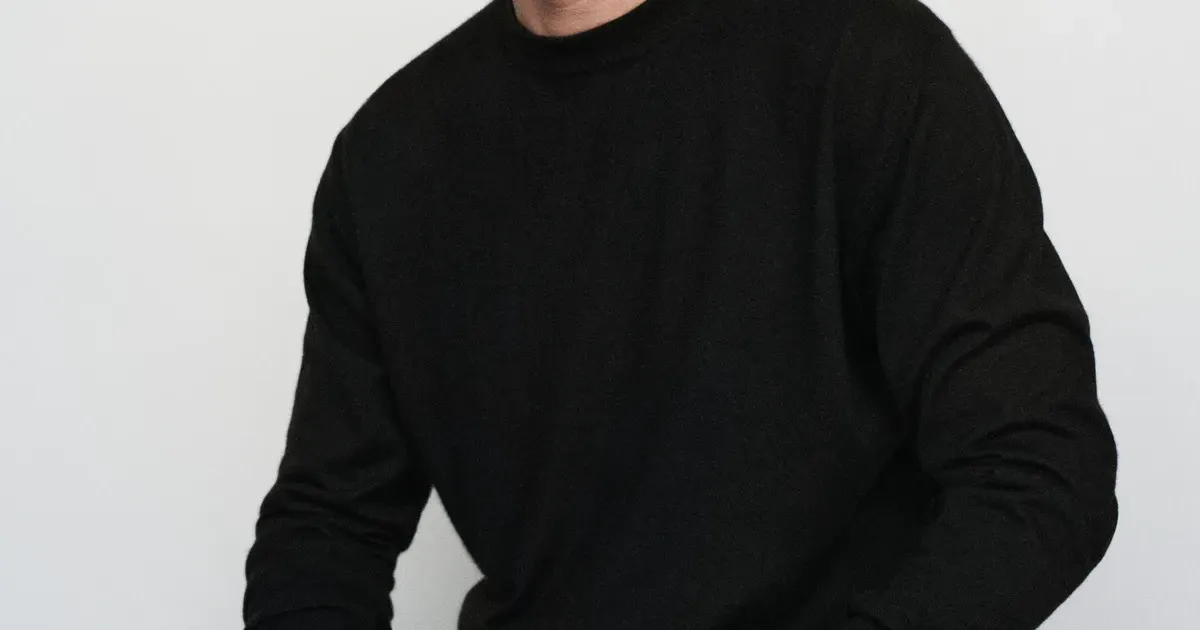
Courreges executives announced that week that Drew Henry will lead the Parisian fashion house as its new artistic director. The appointment became official on March 30, 2026, as the house tried to stabilize its creative direction. Henry, a seasoned designer known for his tenure within high-stakes creative studios, takes over the heritage brand during a period of intense structural transition. Parisian industry insiders suggest the selection focuses on stabilizing the house" s visual identity while leveraging Henry" s reputation for understated luxury. The appointment was formalized through a brief statement from the brand. On March 12, 2026, Courreges made Drew Henry central to its next creative phase.
Henry becomes the latest leading alumnus of the Phoebe Philo era at Celine to secure a top-tier creative leadership role. His career path mirrors those of several contemporaries who transitioned from Philo's rigorous design studio to the helms of major European labels. While the industry frequently cycles through trend-driven directors, the hiring of Philo's proteges suggests a continued preference for designers who prioritize architectural silhouettes and functional elegance. Henry worked closely with the studio during some of its most commercially successful cycles.
Minimalism is still a dominant force in luxury retail.
Earlier career phases for Henry involved deep immersion in the technical aspects of leather goods and ready-to-wear construction. Designers who emerged from the 2008 to 2018 period at Celine often carry a specific aesthetic DNA characterized by intellectual restraint and gender-fluid tailoring. This appointment continues a decade-long trend where major conglomerates seek out the Philo pedigree to anchor their brands in modern sophistication. Henry represents the fifth major appointment from this specific cohort in three years.
Courreges Revitalization and Space Age Legacy
Founded in 1961 by Andre Courreges, the house became synonymous with the 1960s avant-garde and the radical use of synthetic materials like vinyl. The brand famously championed the miniskirt and the "Moon Girl" look, which redefined the feminine silhouette through a lens of futurism and athletic utility. Historically, the brand struggled to maintain that same level of cultural relevance throughout the late 20th century. Current ownership aims to reconnect these historical codes with a contemporary audience through Henry's specific lens. Sales of archival 1960s vinyl jackets rose by 14 percent in the previous quarter.
Recruitment strategies at major fashion houses have shifted toward candidates with proven track records in collaborative studio environments. By selecting Henry, the brand prioritizes a designer who understands the balance between heritage preservation and commercial viability. Within the industry, the move is seen as a tactical play to capture the "Old Celine" customer base that remains underserved by current market offerings. Many collectors still search for pieces from the 2010 to 2015 era on secondary markets. Phoebe Philo's 'Old Celine' is still so coveted is evidence of both her vision and to her then-design team, many of whom now lead other major labels, according to a report from Vogue.
Philo's influence over the current landscape of artistic direction is enormous. Designers like Daniel Lee and Matthieu Blazy transitioned from her studio to lead brands such as Bottega Veneta and Burberry with varying degrees of success. Henry's entry into this tier of leadership reinforces the idea that the Philo-era studio acted as a premier finishing school for the next generation of creative heads. This strategy relies on the hope that the same aesthetic rigor will translate into consistent sell-through for Courreges. The brand has seen fluctuating interest since its most recent relaunch attempt.
Philo Alumni Dominate Luxury Artistic Direction
Luxury markets are increasingly consolidated, leaving little room for experimental designers without a commercial pedigree. Henry's background provides a safety net for investors who are wary of the volatility associated with more eccentric creative choices. Parisian streets and retail corridors still reflect the muted palettes and oversized proportions popularized during Henry's previous tenures. Industry analysts note that brands hiring from this talent pool often see an immediate uptick in accessories sales. Footwear and handbags remain the primary drivers of growth for the parent company.
Courreges persists as a symbol of French modernist optimism.
Instead of pursuing radical reinvention, the brand appears to be doubling down on the refined minimalism that defined the previous decade. For these reasons, Henry is viewed as a conservative but intellectually sound choice for a house that needs to define its place in a crowded luxury market. Contrast this with the more flamboyant approaches taken by rival houses in the Kering and LVMH portfolios. Successful creative directors now must function as both curators of history and architects of the future.
Strategic Shift Toward Minimalist Aesthetic
Records of the brand's recent performance indicate a need for a cohesive accessory strategy. Henry's deep experience in leather goods development was likely a decisive factor in his appointment. Many heritage houses fail to capitalize on their archives because they lack a director who can translate vintage motifs into modern must-haves. During his time in the Philo studio, Henry was instrumental in the development of several "it-bags" that defined the era. His task now involves creating a similar phenomenon within the constraints of the Courreges visual vocabulary.
Ownership changes and frequent leadership rotations have occasionally diluted the brand's message. Despite these challenges, the core identity of the house remains tied to its revolutionary 1964 "Space Age" collection. Henry must find a way to make vinyl and stark white geometry feel relevant to a consumer base that prioritizes comfort and sustainability. Recent environmental regulations in the European Union are forcing brands to rethink their use of synthetic materials. This adds a layer of technical complexity to Henry's upcoming debut collection. Artistic direction is no longer just about sketching dresses.
Currently, the role requires a deep understanding of digital communication and the ability to create viral moments without sacrificing brand integrity. Henry's peers from the Philo era have excelled at creating a sense of exclusivity through limited social media presence and highly curated physical shows. Whether Henry adopts this silent luxury approach or engages more directly with digital platforms will determine the brand's reach. Preliminary marketing data suggests a high-level of anticipation among affluent Gen X and Millennial shoppers. The first collection under Henry is expected to debut during the next Paris Fashion Week.