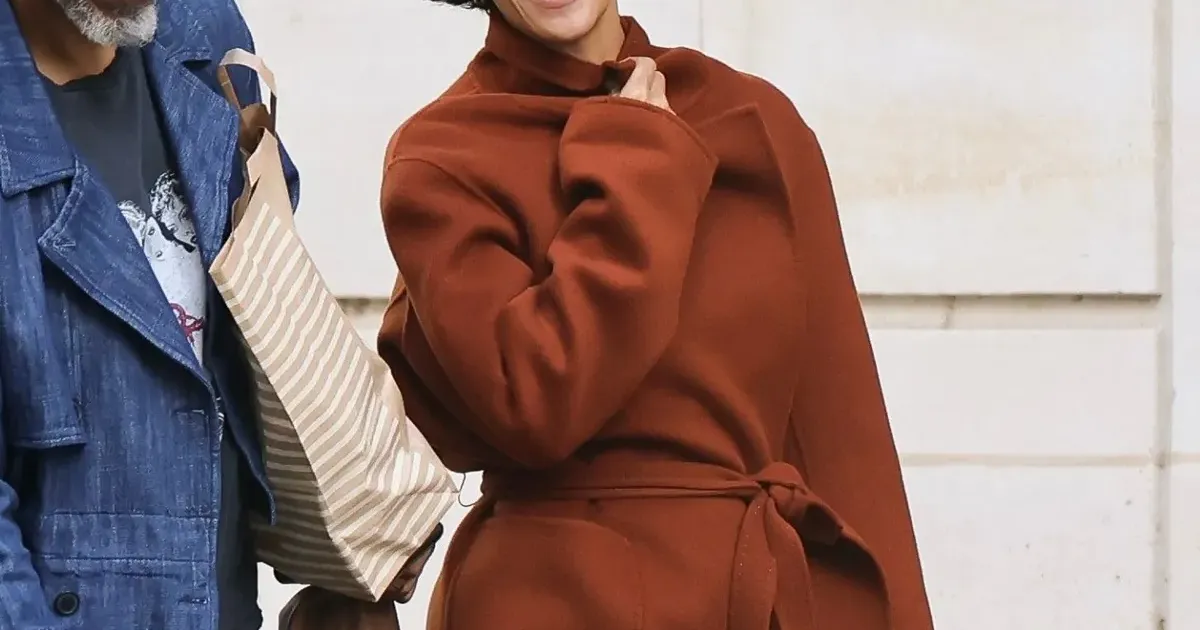
The haircut story is a trend signal, not just a celebrity appearance. Beauty searches often move quickly when a familiar face changes silhouette. Halle Berry arrived in Paris on March 30, 2026, showcasing a sharp French bob that redefined seasonal hair aesthetics. Accompanying her fiancé through the city streets, the actor signaled a departure from longer, traditional styles favored in previous winters. Analysts at Vogue noted the immediate shift in digital search trends following these public appearances. Professional stylists anticipate a surge in requests for shorter crops during the upcoming quarter. For brands, the value is search momentum: a celebrity cut can lift product, styling and appointment demand within days. The French bob works as a trend because it is immediately readable and easy to copy in modified form. Salons can translate it across face shapes and hair textures. That repeatable shape is what gives the French bob commercial value beyond one celebrity sighting.
Parisian streets became the backdrop for what fashion critics are calling a return to structural minimalism. This specific cut features a chin-grazing length often paired with a brow-skimming fringe, creating a silhouette that balances sophistication with ease. Observations from local fashion houses suggest the look complements the structured blazers and high-neck knitwear dominating the current European runways. Hair salons in the 8th arrondissement report a 35% increase in appointments for meaningful length reductions.
Halle Berry’s French bob is perfect for spring, a Vogue editorial dispatch noted during the actor's visit to France.
Contrasting the polished Italian look, the micro-bob offers a more aggressive take on the trend. It sits just below the ears and often removes the safety net of longer face-framing pieces. Such a technical cut requires a stylist with expertise in dry-cutting to ensure the hair does not shrink excessively once the weight is removed. Salons in New York and London are hiring specialists to meet the demand for these precise geometric shapes.
Market analysts see this as a boon for the professional services sector. Unlike long layers that can be neglected for months, the bob forces a recurring relationship between the client and the salon. Revenue projections for the beauty services industry have been adjusted upward by 4.2% for the first half of the year. Investors are looking at salon suites and luxury hair care brands as primary growth vehicles in an otherwise stagnant retail environment.
Economic Realities of the Professional Spring Chop
Technique remains the primary barrier to entry for the average consumer attempting to replicate the look at home. Professional associations warn against DIY attempts at the French bob because the angle of the jaw requires a compensatory cut in the back. Failure to account for the neck's curvature results in a cut that appears uneven when the head moves. High-end stylists in Manhattan are charging premiums for "transformation appointments" that include structural consultations.
Education platforms for hairdressers are pivoting their curricula to focus on these shorter silhouettes. Online tutorials for bob-cutting have seen a 200% increase in views since January. This educational shift ensures that the trend can migrate from celebrity hubs to suburban salons within weeks. The speed of information transfer in the beauty industry has never been faster.
Luxury brands are also capitalizing on the trend by releasing specialized tools. Small-diameter flat irons and narrow-plated wavers are being marketed specifically to those with chin-length hair. These tools allow for the subtle "S-wave" texture seen on Berry in Paris. Sales data from high-end department stores show that these niche tools are surpassing traditional wide-barrel curlers in sell-through rates.
Spring Beauty Signal
The haircut landed because it is simple enough for salons to copy but distinct enough to travel across social platforms. Berry's version gives stylists a reference point for clients who want a shorter spring look without committing to a severe crop. That balance explains why the French bob keeps returning whenever celebrity beauty cycles move toward lower-maintenance shapes.
For beauty brands, the trend creates immediate demand for styling creams, smoothing tools and salon consultations built around short hair. That commercial effect is why one celebrity cut can move quickly from red-carpet image to appointment request. The strongest signal is not the haircut alone, but the speed with which stylists, product makers and search audiences can turn it into a repeatable spring service.