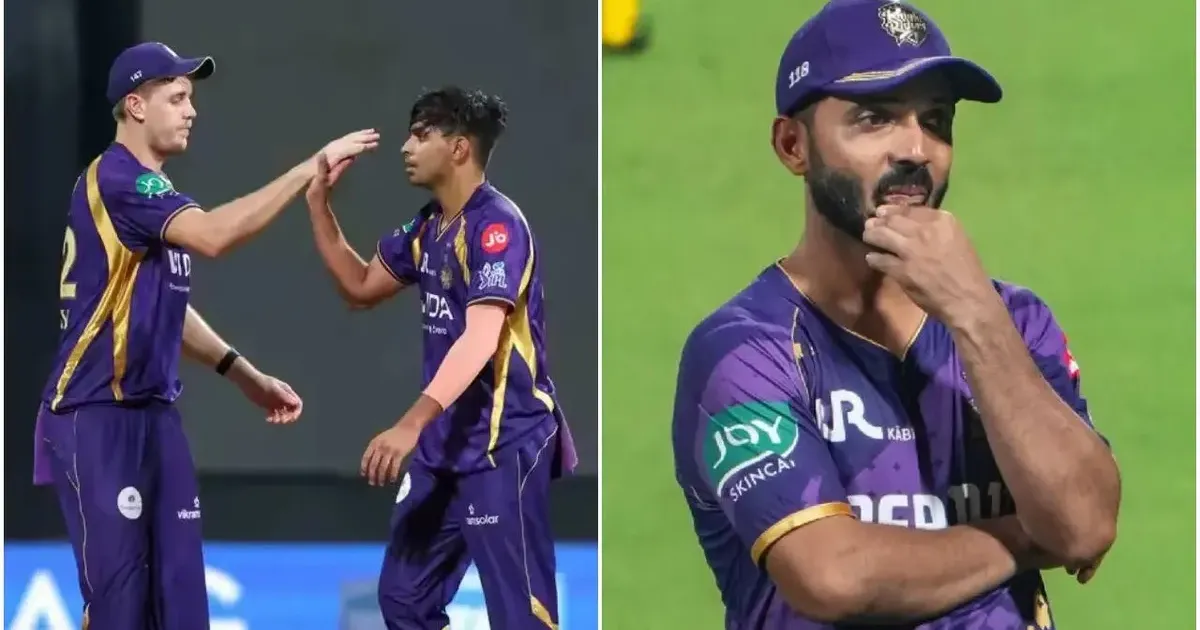
The Cameron Green dispute is really about who controls an injured star during a franchise season. The issue moved from team management to public argument before either side could cool it down. Cricket Australia responded on March 30, 2026, after Kolkata Knight Riders captain Ajinkya Rahane questioned why Green was available to bat but not bowl. The board said the restriction was medical, not political. That answer did not remove the tension, but it did narrow the dispute to risk management.
Green is dealing with a lower back issue, according to the Australian board. That diagnosis explains why batting can be permitted while bowling remains restricted. Fast bowling places a different load on the spine, and national teams tend to be conservative when a multi-format player is involved. The distinction can look narrow from outside, but it is central to how elite cricket injuries are managed. A batter can often play within limits; an all-rounder asked to bowl at match intensity faces a different threshold.
Cricket Australia Defends the Medical Plan
Cricket Australia said Green is on a recovery protocol expected to limit his bowling for roughly 10 to 12 days. The board also indicated that the Kolkata franchise was aware of the restriction before the public exchange became a talking point. That matters because it frames the dispute as a communication problem rather than a sudden intervention. It also gives the board a clearer defense against the claim that it blindsided the franchise. If KKR had prior notice, the argument becomes less about permission and more about frustration with the limits themselves.
Green remains a valuable batter for KKR, but his full value comes from the all-round role. Without overs from him, the franchise must rebalance its attack and may need to use another specialist bowler. That can weaken the batting order or reduce tactical flexibility at the toss. In a short tournament, even a temporary restriction can alter selection math.
Australia has a different priority. Green is central to its long-term plans across formats, and a back injury can become a recurring problem if rushed. National boards rarely want a franchise tournament to dictate the recovery pace for a player they expect to use in Tests and major international events. The medical caution is therefore predictable even if it frustrates KKR. Cricket boards have become more assertive in these situations because franchise schedules now overlap with almost every part of the international calendar.
Rahane Complaint Highlights IPL Tension
Ajinkya Rahane voiced the frustration many franchises feel when centrally managed players arrive with limits attached. From a captain's view, a player who is fit enough to compete can appear fit enough to perform every role. From a medical view, batting and bowling are not the same risk. That gap between tactical need and medical caution is where the argument grew.
The IPL has made that tension sharper because player salaries, sponsor expectations and match results all move quickly. A short bowling restriction can affect selection, combinations and public perception. It can also put the captain in the position of explaining a medical decision he did not make. Rahane was defending his dressing room logic, but the board was defending a longer calendar. Both arguments have merit, which is why the dispute resonated beyond one team sheet.
Player Fitness and Franchise Control
Cameron Green sits at the center of a familiar club-versus-country argument. The franchise pays for availability during the tournament window, while the national board protects the athlete for a longer calendar. Neither side is acting irrationally, but both sides measure risk on different timelines. That is why the public wording matters as much as the actual medical restriction.
The practical answer is transparency. If the restriction lasts only 10 to 12 days, KKR can plan around it and avoid turning a manageable injury into a public fight. If the back issue lingers, the question becomes larger: whether the IPL needs clearer rules for medical control when national boards place limits on active players. Those rules would protect captains from being left to explain decisions made elsewhere.
For now, Cricket Australia has drawn the line. Green can bat, but his bowling return will be governed by medical clearance rather than match urgency. That may frustrate KKR, yet it is the only defensible position when a back injury involves a player with international value. The dispute should fade if Green returns quickly; if not, it will become another test case in cricket's uneasy franchise era. The cleaner outcome is a public timeline, a shared medical note and no more mixed signals between captain, franchise and board. Until then, every KKR selection call involving Green will be read as both a cricket decision and a negotiation over medical authority, which is exactly what a short injury restriction should avoid this week.