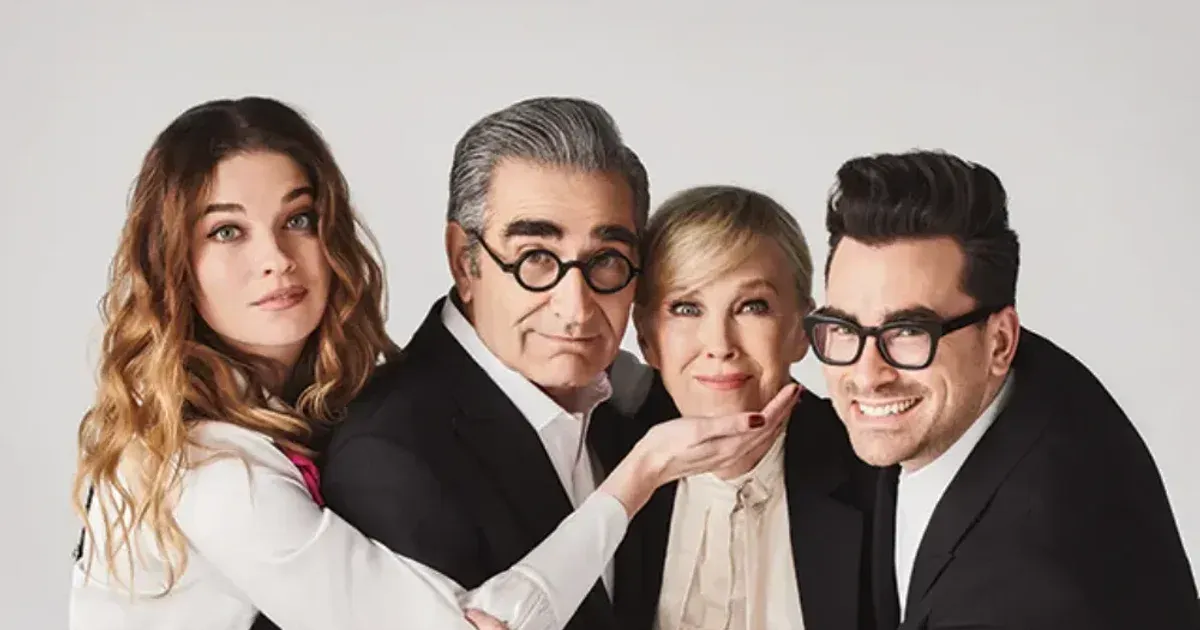
Dan Levy said a Schitt's Creek sequel could not continue without Catherine O'Hara and the original Rose family dynamic. The comment reframed past revival talk as a creative idea that depended on the full cast rather than a simple reboot opportunity. Levy had to weigh fan demand against the risk of weakening a finished story. He discussed the issue on April 6, 2026, during an interview that connected Moira Rose, Rose Apothecary and the show's Emmy-winning legacy.
Revival talks never reached an official greenlight stage. Levy explained to the broadcast network that he spent meaningful time weighing the merits of returning to the fictional town. Conversations regarding a potential revival began circulating among the cast members several years after the original series concluded its run. These discussions centered on how the Rose family adapted to their lives in New York and Los Angeles, with a specific focus on the evolving business empire of Rose Apothecary. O’Hara’s passing nullified those early creative explorations before they could be formalized into a script. Levy visited the physical site of the shop during his interview to reflect on the show’s legacy. The storefront was a central hub for the character David Rose and his partner Patrick Brewer throughout the later seasons. Standing outside the familiar building, Levy noted that the atmosphere of the series relied heavily on the specific comedic timing of the original four leads. The absence of O’Hara creates a void that Levy believes is impossible to fill with new characters or plot devices.
Rose Apothecary Visit Triggers Creative Reflection
Walking through the filming locations in Goodwood, Ontario, prompted a candid assessment of the show’s finality. Levy admitted he was thinking about a sequel series for several months prior to O’Hara’s death. The actor indicated that his hesitation to return often stemmed from a desire to protect the integrity of the original series finale. Schitt's Creek concluded in 2020 with a huge critical sweep, and Levy expressed concern that a subpar follow-up might tarnish that reputation.
“I was thinking about it, but it can’t be done now.”
Production insiders at Pop TV and CBC previously hinted at interest in a feature film or a limited event series. These entities recognized the immense streaming value the show generated on platforms like Netflix. While Bloomberg suggests the economic incentives for a revival were large, Levy prioritizes the artistic chemistry of the ensemble over financial gain. The loss of O’Hara means the end of the Moira Rose character, whose unique vocabulary and wardrobe became global cultural touchstones.
Catherine O’Hara Performance Anchored Sitcom Success
O’Hara provided a foundational energy that allowed the comedy to go beyond standard sitcom tropes. Her portrayal of a displaced soap opera star earned her multiple accolades and cemented the show’s place in television history. Every episode featured complex wig changes and linguistic choices that required immense dedication from the veteran actress. Levy emphasized that O’Hara’s performance was the catalyst for much of the show’s international growth during its mid-series transition to digital platforms.
Critics often pointed to the mother-son dynamic between Moira and David as the heart of the production. Their shared scenes frequently combined high-fashion absurdity with genuine emotional growth. Levy noted that writing for O’Hara was a highlight of his career, as she often elevated the material with improvisational flourishes. Without her involvement, the narrative balance of the Rose family shifts in a way that Levy finds unsustainable for a continuation. Levy rejected the reboot idea because the original family chemistry depended on Catherine O'Hara's presence rather than on the brand name alone.
Producers often attempt to reboot successful franchises with partial casts, but Levy appears resistant to this industry trend. He asserted during the CBS interview that the story of the Rose family is an all-or-nothing proposition. The creative decision to abandon the sequel highlights a rare commitment to character consistency in an industry dominated by intellectual property recycling. Levy maintains that the conclusion reached in six seasons provided every character with a meaningful arc that he is reluctant to reopen without the full ensemble.
O’Hara’s death has forced a refocus on archival preservation. Digital archives show a surge in viewership for the original series as fans return to Moira Rose’s most iconic moments. Levy suggested that the best way to honor his late colleague is to let her performance be the definitive final word on the franchise. This stance effectively closes the door on rumors that have persisted since the show swept the major categories at the 72nd Primetime Emmy Awards.
Emmy-Winning Legacy Challenges Future Production
Success often breeds pressure for more content, yet the historical performance of the series suggests it reached a natural peak. The show made history by winning all seven major comedy categories in a single year, a feat no other comedy series has matched. Maintaining that level of quality in a sequel would require the exact cooperation that existed between 2015 and 2020. Levy mentioned that the original cast remains close, but they collectively recognize that the dynamic has changed permanently.
The physical sets and costumes from the show now reside in various museum collections and private archives. Rose Apothecary products continue to sell through licensed vendors, keeping the brand alive in the retail space. Despite the ongoing commercial success of the merchandise, the narrative journey has hit a hard stop. Levy concluded his walk through the Ontario filming site by stating that some stories are simply meant to have a clean ending.
Why the Sequel Stopped
Artistic integrity rarely survives the pressure of network revival demands, yet Dan Levy’s refusal to proceed without Catherine O’Hara is a necessary act of creative mercy. The modern television industry is cluttered with the corpses of once-great sitcoms that were resurrected for a quick infusion of subscriber growth. These projects almost always fail to capture the alchemy of the original run, resulting in a diluted legacy that frustrates loyal fanbases. By choosing to walk away, Levy protects the very thing that made his show a global phenomenon: the sincerity of its character arcs.
The Moira Rose character was a once-in-a-generation creation that cannot be mimicked or replaced. Fans may clamor for a return to the town, but they are chasing a feeling that existed in a specific cultural moment. A sequel without the matriarch would feel like a hollow exercise in brand management, lacking the rhythmic wit that O’Hara brought to every frame. Levy’s decision recognizes what many showrunners ignore. Death is final, and sometimes, the best way to respect a collaborator is to leave the set dark. The Rose family has earned their peace.