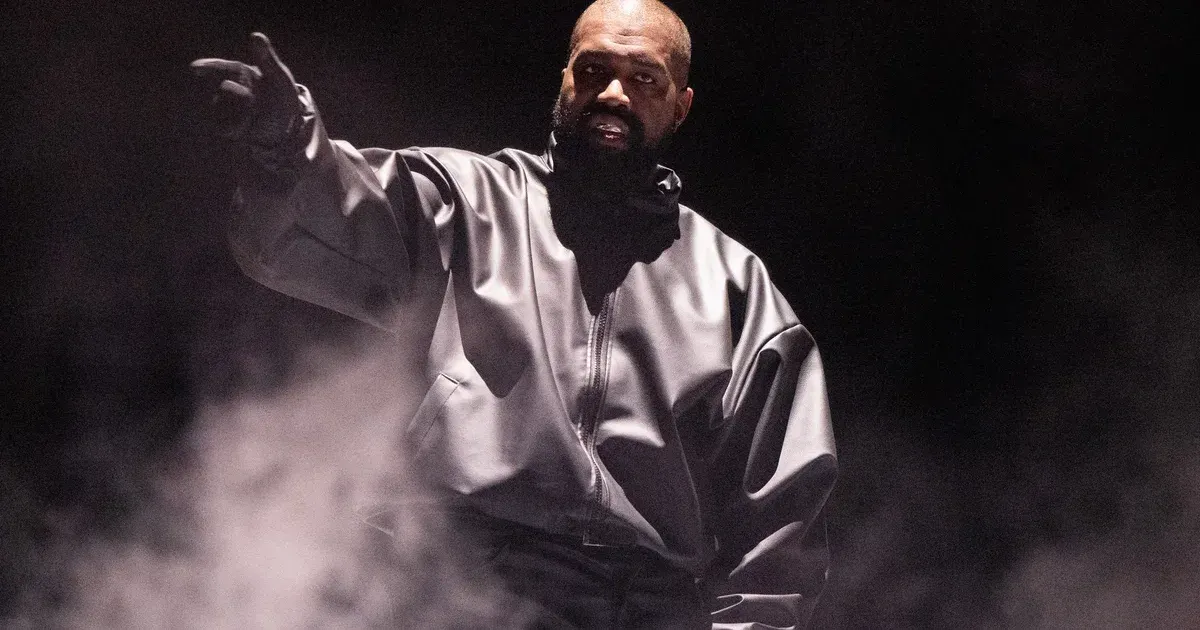
Keir Starmer condemned the inclusion of Kanye West at London's Wireless Festival, prompting a sudden exit by long-time sponsor Pepsi. News of the withdrawal arrived just hours after the British Prime Minister described the decision to book the rapper as deeply concerning. Kanye West, who now performs under the name Ye, was set to headline a three-night residency at the event. The withdrawal was announced on April 5, 2026. Financial ties between the beverage giant and the festival organizers dissolved instantly as political pressure mounted regarding the musician's history of antisemitic rhetoric.
Executives at Pepsi issued a brief statement on Sunday confirming they would no longer participate in the 2026 event. Records show the company had maintained a branding partnership with the Wireless Festival for more than ten years. Marketing materials featuring the iconic blue and red logo were already in production when the cancellation was announced. This represents one of the most abrupt departures of a primary sponsor in the history of British music festivals.
Starmer's intervention focused on a specific song written by West titled Heil Hitler. British law provides the government with broad powers to restrict entry to individuals whose presence is not conducive to the public good. Home Office officials confirmed that West has not yet submitted a formal visa application for the summer event. Entry could be denied if authorities determine his performance would incite public disorder or violate hate speech statutes.
Sponsorship agreements for major events like those held at Finsbury Park often involve multi-million dollar commitments. Pepsi's departure leaves a meaningful budgetary hole in the festival's operating costs. Wireless Festival organizers now face the prospect of finding a replacement partner in a market increasingly sensitive to celebrity volatility. Historical data suggests that losing a primary sponsor so close to the event date can force changes to production scale or security staffing.
Industry analysts noted that the beverage company did not mention West by name in its withdrawal notice. Instead, the firm cited a shift in branding priorities. Observers at Variety pointed out the timing coincided exactly with the Prime Minister's public remarks. Corporate risk assessments often prioritize political alignment over creative partnerships when high-profile government figures weigh in on cultural controversies.
West has struggled to maintain corporate backing since 2022. Adidas and Gap previously severed ties following a series of outbursts targeting the Jewish community. The London booking was seen by some as a potential return to the mainstream European circuit. Public sentiment shifted rapidly once the specific details of his latest range became common knowledge in the United Kingdom.
Keir Starmer Criticizes Ye Public Image
Prime Minister Keir Starmer took a rare step into the cultural sphere to voice his objections. Downing Street sources indicated the Prime Minister felt a moral obligation to speak out against the celebration of Nazism. Political leaders in the United Kingdom typically avoid commenting on music festival lineups, but the nature of West's recent work created an exception. Starmer argued that the platform provided by such a large event was inappropriate given the content of the rapper's new material. London Mayor Sadiq Khan has similarly voiced strong opposition to the planned Kanye West performance at the festival.
Keir Starmer said the decision to book a musician who wrote a song titled Heil Hitler is deeply concerning.
Labour Party officials supported the stance, suggesting that the festival organizers showed poor judgment. Critics of the booking pointed to the rise in reported hate crimes as a reason for heightened sensitivity. Music should bring communities together rather than provide a stage for divisive ideologies. The government’s position signaled to other potential sponsors that association with the event might carry political consequences.
West has previously defended his right to free expression. His fans often cite his artistic genius as a reason to overlook his personal controversies. This defense has failed to resonate with British regulatory bodies in the past. Previous artists have been barred from entering the country for far less inflammatory content than what is found in West's recent discography.
Kanye West Visa Restrictions and Entry Rights
Entry into the United Kingdom for foreign entertainers is governed by strict Home Office guidelines. Clause 320 of the Immigration Rules allows for the refusal of entry on the grounds of character or conduct. West's previous statements could be used as evidence that his presence would be harmful to social cohesion. Government lawyers are likely reviewing the lyrics of his unreleased tracks to determine if they meet the threshold for inciting racial or religious hatred.
Festival organizers haven't commented on the visa status of their headliner. Securing a Tier 5 Temporary Worker visa requires a certificate of sponsorship from the event host. If the Home Office rejects the application, the Wireless Festival would be forced to find a replacement headliner on short notice. High-profile bans of American artists like Tyler the Creator and Chris Brown serve as precedents for this type of government intervention.
Public safety remains a primary concern for the Metropolitan Police. Large-scale protests often accompany controversial figures, requiring increased police presence. Costs of this additional security typically fall on the local council and the taxpayer. Starmer’s comments suggested that the state was unwilling to enable an event that could potentially lead to civil unrest.
Festival Reputation Risk
Corporate cowardice or political overreach? The collapse of the Pepsi sponsorship at Wireless Festival exposes the fragile nature of modern cultural institutions. When a Prime Minister can effectively bankrupt a festival's marketing budget with a single quote, the line between governance and censorship blurs. Keir Starmer is doing more than expressing concern; he is weaponizing the state's moral authority to dictate the boundaries of acceptable art. It sets a dangerous precedent for future creative efforts in the United Kingdom.
West is a problematic figure, yet the speed at which Pepsi fled highlights the performative nature of corporate ethics. For a decade, the brand ignored the complexities of the artists it funded. Only when the Prime Minister signaled a change in the political wind did the company discover its moral compass. It is not a stand for justice. It is a cynical retreat into the safety of the status quo. Corporations do not have values; they have spreadsheets.
Expect the Home Office to follow Starmer's lead by denying West's visa. The machinery of the state is now aligned against the festival's survival. If organizers do not pivot immediately, they risk becoming a footnote in a larger story about the end of the free-wheeling festival era. The message is clear: if you book a pariah, you will be treated like one. Cultural icons are now subject to the same vetting as political diplomats. Artistic freedom in Britain has a new, government-approved ceiling.