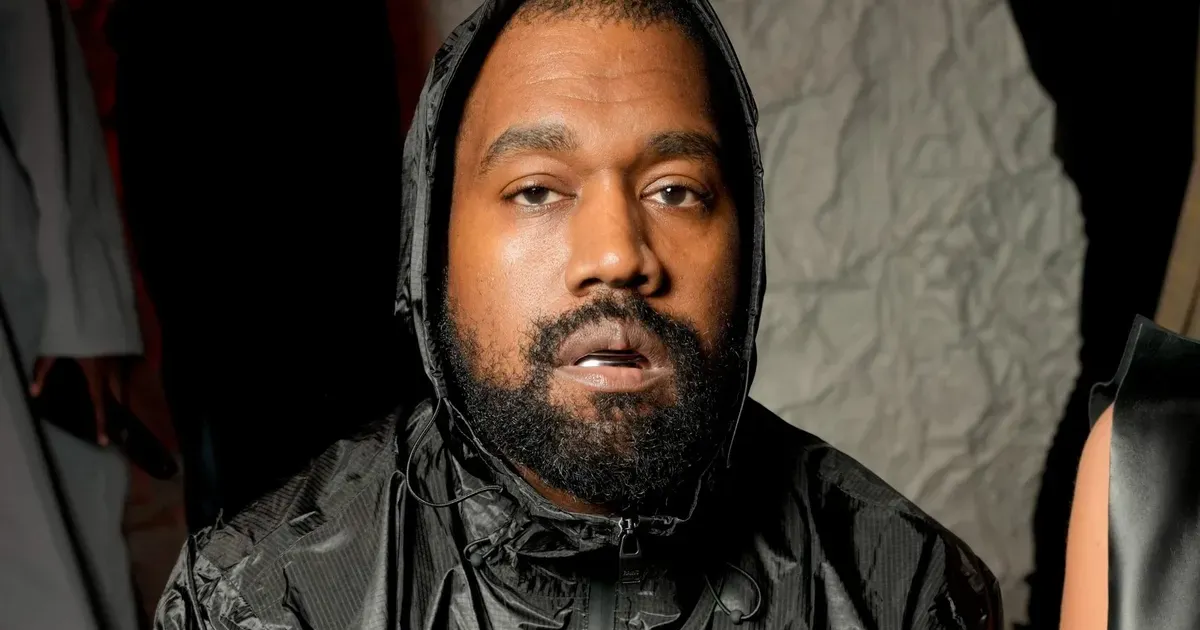
Sadiq Khan, the Mayor of London, declared that recent booking decisions for the Wireless Festival do not align with the city's identity. These shows, scheduled for July 10-12, mark the first time the American rapper has performed a solo set in the United Kingdom in 11 years. On April 1, 2026, he distanced his office from the event following the announcement that Kanye West will headline three performances in North London. Wireless Festival organizers confirmed the dates earlier this week, sparking immediate pushback from City Hall and various advocacy groups.
Mayor Khan issued a statement clarifying that his administration holds no formal role in the selection of artists for private commercial events. City officials emphasized that the artist has a history of making comments that they deem incompatible with the inclusive nature of the capital. The mayor expressed his disapproval through a spokesperson who noted that London remains a global leader in cultural diversity and respect. This scheduled return to the British stage comes after a long period of international isolation for the rapper following a series of controversial public statements and business collapses in 2022.
Wireless Festival Return and Artist Backlash
Festival Republic, the promoter behind the event, intends to host the three-day concert series at Finsbury Park, a venue with a capacity of approximately 45,000 people per day. Previous iterations of the festival have featured artists like Travis Scott and Cardi B, but the inclusion of West has created a unique political rift. Opponents of the booking cite the rapper's 2022 praise for historical dictators and a series of antisemitic remarks as grounds for exclusion. Jewish community leaders in the United Kingdom joined the mayor in criticizing the decision, stating that the platforming of such views is harmful. Wireless Festival management has not yet issued a formal rebuttal to the mayor's comments.
Security concerns often dominate the planning stages of large scale music events in North London parks. Local residents previously voiced complaints regarding noise and crowd control during major festivals held at Finsbury Park. The 2026 lineup announcement has now added a layer of ideological tension to these existing logistical hurdles. Organizers anticipate a total attendance of 135,000 fans across the three-day headline stint. Ticket prices for the general admission tier are currently listed at 95 pounds per day.
Financial Stakes of Finsbury Park Shows
Live Nation, the parent company of the festival promoter, stands to generate serious revenue from the three-day residency. Financial analysts estimate that the headline shows could produce over $15 million in ticket sales alone, excluding concessions and VIP packages. Economic data from previous years suggests that Finsbury Park events contribute millions to the local economy of the Haringey and Islington boroughs. These financial incentives create a complex relationship between municipal disapproval and commercial reality. The mayor, however, possesses no direct legal authority to block a specific artist based on their political or social speech. This controversy follows recent industry disputes, including when James Blake requested his credit removal from a Kanye West project.
Licensing for the event falls under the jurisdiction of the Haringey Council, not the Mayor of London directly. Council members must evaluate the application based on public safety, noise mitigation, and environmental impact rather than the personal history of the performer. Documents from recent council meetings indicate that the 2026 permit for Wireless Festival was granted months before the specific headliners were disclosed to the public. Each headline set is expected to last 90 minutes. Music industry observers note that West’s previous UK headline appearance at Glastonbury in 2015 was met with a mix of high ratings and heavy criticism from the audience.
Mayor Sadiq Khan and Civic Values
Mayor Khan maintains that his rejection of the booking is a matter of principle. His office seeks to uphold a standard of conduct for events that use public spaces, even when those events are run by private enterprises. A spokesperson for the mayor provided the official stance on the matter.
“We are clear that the past comments and actions of this artist are offensive and wrong, and are simply not reflective of London’s values,” a spokesperson for Sadiq Khan stated.
Public reaction in the United Kingdom has been divided along generational and political lines. Some younger fans argue that the focus should stay on the music, while civic organizations demand a higher level of accountability for performers. Similar debates occurred in 2014 when the rapper last headlined Wireless, though the current controversy centers on more recent and severe rhetorical escalations. Records show that West’s last solo London show took place at the O2 Arena in 2015. The 2026 shows are the only planned European dates on his current calendar.
Legislative Limits on Festival Booking
British law protects the right of private entities to contract performers unless those performers violate specific hate speech statutes or pose a direct threat to public order. The Home Office has the power to deny entry visas to individuals whose presence is deemed not conducive to the public good. No such ban has been applied to the American rapper at this time. Legal experts suggest that a mayor’s public condemnation is a tool of soft power instead of a regulatory blockade. Previous attempts by local governments to ban specific music genres or artists have faced successful legal challenges in the High Court. The festival site includes two main stages and three smaller tents.
Promoters often rely on high-profile, divisive artists to ensure sell-out crowds in an increasingly competitive global touring market. Wireless Festival competes directly with major European events like Glastonbury and Reading. Headlining three consecutive nights is a feat rarely granted to a single artist in the history of the London event. Preparation for the July arrival of the artist involves coordination between the Metropolitan Police and private security firms. The 2026 festival map indicates that the main stage will be positioned at the south end of the park. Total production costs for the three shows are expected to exceed 4 million pounds.
Public Space and Festival Power. Empty rhetoric rarely changes the ledger of a multi-million dollar live event contract. Sadiq Khan is engaging in a sophisticated form of political theater that allows him to capture the moral high ground without assuming the legal liability of an actual ban. By distancing himself from the Wireless Festival, the mayor insulates his administration from the inevitable social media firestorms while the city still collects the tax revenue generated by 135,000 visitors. This friction is a calculated performance by both the politician and the promoter. The mayor secures his progressive credentials, and the festival gains the kind of controversial publicity that drives ticket sales among a demographic that views government disapproval as a badge of authenticity.
Sovereignty over public space is the real issue central to this dispute. If a city government truly believes an individual is too toxic for its soil, it must move beyond press releases and use its zoning and licensing powers. The current approach is a half-measure that signals weakness to both the residents and the corporations. Live Nation understands that as long as the checks clear and the security plan is steady, the mayor’s office will stop at words. We are looking at a future where municipal leaders become mere commentators on the events occurring within their own borders.
The commercial machinery of the music industry has outpaced the slow-moving gears of local governance. Money talks, and in July, it will speak with an American accent in Finsbury Park. The show goes on.