The archive release now needs steady follow-through from defense officials and lawmakers. The UAP release is being framed as a public-trust exercise rather than a single dramatic revelation. Older files can answer disclosure questions while still leaving modern surveillance methods protected. Pentagon officials began releasing declassified files and images regarding unidentified anomalous phenomena on May 8, 2026. The records, once described more commonly as UFO files, had been held by the federal government for decades. Their release is part of a rolling transparency initiative designed to show the public what the government has collected without exposing current surveillance capabilities.
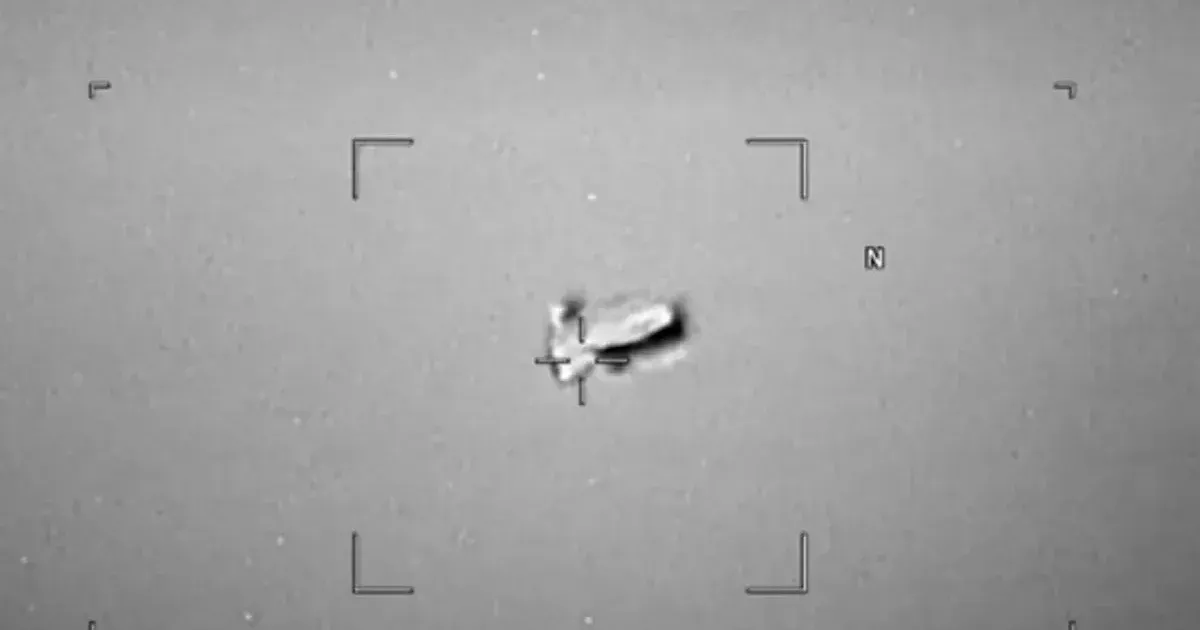
The first batch includes murky visual data that investigators say could represent a range of objects or sensor artifacts. Defense Department representatives confirmed that additional files will become public on a regular schedule. Transparency advocates have campaigned for such a release for nearly half a century, arguing that secrecy made the subject more vulnerable to speculation.
The release also changes the political handling of UAP records. Instead of treating the topic mainly as a source of embarrassment or conspiracy, officials are presenting it as a document-management and public-trust problem. That framing gives the Pentagon room to disclose old material while keeping modern collection methods protected.
Hegseth Pushes for Public Transparency
Defense Secretary Pete Hegseth clarified the administration's stance on the disclosure during a press briefing. Hegseth said the secret nature of the documents had fueled public speculation and argued that citizens should be able to review the evidence directly rather than rely on rumor.
The statement does not mean the Pentagon is endorsing extraterrestrial explanations. It means officials are acknowledging that years of categorical secrecy created a credibility problem. By releasing older records first, the department can test public reaction, reduce pressure from lawmakers and establish a schedule for future disclosures.
Public interest in these phenomena has intensified since the creation of specialized tracking offices. By declassifying older records, the Pentagon is trying to normalize the reporting of unidentified craft by pilots and personnel. Intelligence officials maintain that the move serves national security by clarifying what is unknown, what is explainable and what remains sensitive.
Ambiguous Visuals and Scientific Reaction
Initial imagery provided in the data dump remains difficult to interpret. Analysts described some files as murky images that could show many different things. Several frames display grainy shapes against dark backgrounds, reflecting the limits of older surveillance equipment and the poor evidentiary value of isolated still images.
Avi Loeb, a professor at Harvard University, is reviewing the materials for scientific merit. Loeb has frequently advocated for a systematic, data-driven approach to UAP research. His position is that rigorous physical evidence is necessary to move the conversation beyond anecdotal accounts, cockpit impressions and internet speculation.
Academic teams are expected to cross-reference the government files with private sensor datasets, astronomical records and known atmospheric events. That work will take time. The public may want immediate conclusions, but the scientific value of the release depends on whether researchers can match images to metadata, locations, dates and instrument limitations.
Harvard researchers and independent analysts emphasize the importance of high-resolution sensor data in validating historical claims. While the newly released images provide a look into past investigations, their low visual quality presents challenges for definitive identification. The release is therefore more valuable as an archive than as a final answer.
Rolling Release Strategy for Classified Records
Officials decided to stagger the release of the UAP files to allow a review process before each tranche becomes public. The Pentagon intends to provide updates as more decades-old data is processed through security protocols. This phased approach lets intelligence agencies redact sensitive details related to surveillance technology while still honoring transparency commitments.
Congressional members have signaled they will monitor the frequency of updates closely. If the schedule slows or the releases become too heavily redacted, lawmakers may renew demands for hearings. That risk gives the Pentagon an incentive to maintain a predictable cadence and explain what remains classified.
On a parallel track, the shift in terminology from UFO to UAP reflects an effort to remove stigma from reporting unexplained sightings. Military pilots and commercial aviators are now encouraged to document encounters without fear of professional repercussions. Because the government held these files for decades, the current release provides a rare look at the history of internal military reporting on aerial anomalies.
The Pentagon Will Be Judged by the Consistency of Future Releases
The decision to open these archives marks a shift in the executive branch's approach to unexplained aerial records. By acknowledging that public speculation was understandable, the Department of Defense is trying to regain credibility that was eroded during years of limited disclosure. The transparency effort, however, could deepen the divide between those who see evidence of advanced technology and those who see only atmospheric clutter or sensor confusion.
Strategic communication from the Pentagon now depends on managing expectations. By releasing ambiguous images first, the government may be signaling that the clear proof sought by enthusiasts does not exist in the historical record. Scientific figures like Loeb will be important because they can translate government files into claims that researchers can test.
The success of the initiative rests not on a single image but on the consistency of the rolling release schedule. Trust remains volatile in the UAP debate, and the Pentagon will be judged by whether it keeps publishing records, explains redactions and separates genuine unknowns from ordinary technical noise.