U.S. and Iranian officials traded blame after a direct naval exchange in the Strait of Hormuz threatened a fragile ceasefire on May 7, 2026. The clash came as third-party mediators were trying to preserve talks over maritime security, sanctions relief and the future of U.S. operations in the Gulf. Pakistani officials said Washington and Tehran had been close to finalizing a peace framework before the latest shelling hardened positions on both sides. The naval clash shows how fragile the ceasefire has become. Even limited encounters at sea can force both governments to choose between restraint and visible retaliation.
Reports from U.S. Central Command described the incident as a response to unprovoked Iranian attacks. American vessels intercepted threats and then conducted what officials characterized as self-defense strikes. Iranian officials countered that U.S. vessels violated the agreement by targeting two ships and firing near civilian areas. The competing accounts leave the ceasefire intact on paper but far weaker in practice.
Confrontation in the Strait of Hormuz
Naval units operating in the narrow waterway encountered each other early Thursday morning. Intelligence reports suggest the skirmish involved multiple surface vessels and coastal defense systems. Iranian state media claimed the American presence was an intentional provocation designed to disrupt the diplomatic process. U.S. Central Command denied that version of events, saying American movements remained within international waters and complied with existing security protocols.
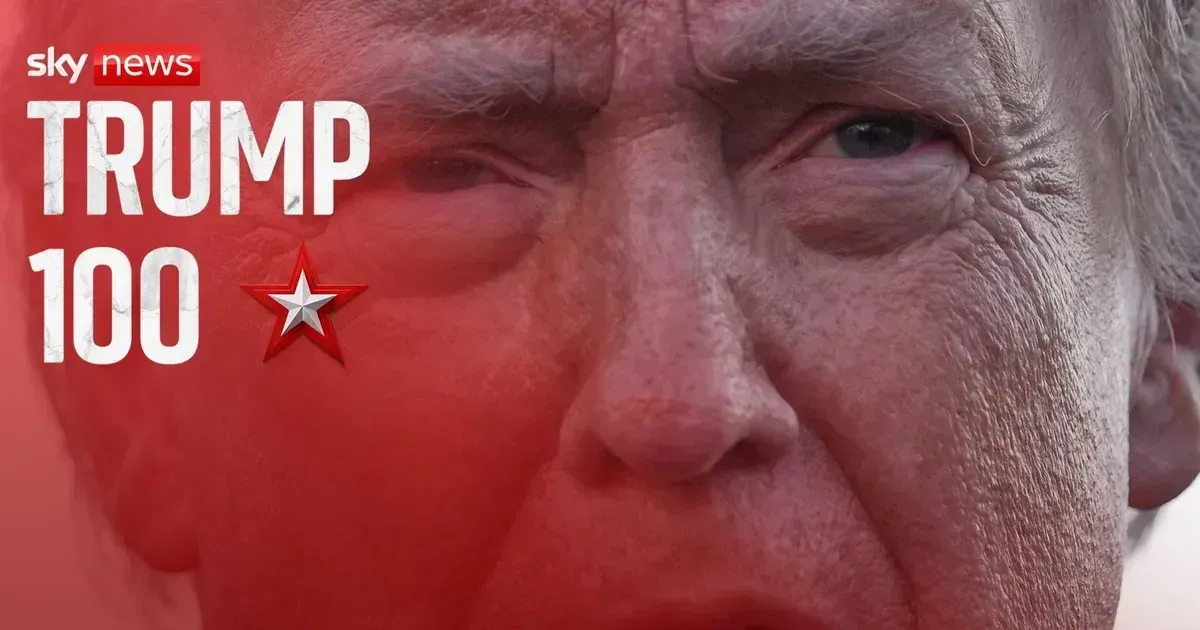
President Donald Trump described the exchange as a "love tap," language that appeared designed to frame the response as limited rather than escalatory. Critics of the administration argue that the phrase minimizes the risk of a wider regional war. Supporters view the restraint as a signal that Washington remains committed to the ceasefire if Iranian forces comply with established red lines.
The policy challenge is that even a limited clash in the strait carries global consequences. The earlier U.S. strikes near the Strait of Hormuz already raised questions about whether the current rules of engagement can coexist with peace talks. Each new exchange gives hardliners in both capitals a stronger case against compromise.
Pakistan Mediates Fragile Peace Negotiations
Islamabad was the primary hub for back-channel communications during the last forty-eight hours. Pakistani officials reported significant progress on a proposed agreement that would address maritime security and sanctions relief. Negotiators expressed optimism that a final document was ready for signatures before the naval engagement disrupted the atmosphere of the talks. The mediation team continues to urge both sides to return to the table to prevent a full collapse of the diplomatic track.
Diplomats in Pakistan emphasize that the window for a negotiated settlement is closing rapidly. Hardliners in both capitals have gained leverage because of the Strait of Hormuz incident, making concessions more difficult for the respective administrations. Pakistani officials warned that further military friction would likely freeze the mediation process entirely. U.S. State Department representatives have not yet confirmed when or if the next round of discussions in Islamabad will take place.
Peace negotiations now appear frozen until both sides can explain the May 7 skirmish without treating it as a reason to abandon the broader ceasefire.
That distinction matters because ceasefire enforcement is now becoming a political test as much as a military one. If mediators can establish a shared incident review process, both governments could preserve room for domestic messaging while avoiding a formal rupture. Without that mechanism, every patrol contact in the strait becomes a referendum on whether the deal is already dead.
Transition from Epic Fury to Project Freedom
Military operations have evolved through several distinct phases since the start of the conflict. The initial stage, known as Operation Epic Fury, involved intensive strikes on command centers and infrastructure. Combat then moved toward Project Freedom, a phase focused on securing energy corridors and reducing maritime threats. These tactical shifts reflect the changing priorities of the Pentagon as the conflict moves from open strikes toward contested enforcement in the Gulf.
Global economic stability is increasingly tied to the success of that transition. A severe energy crisis linked to the hostilities continues to pressure major economies in Europe, Asia and North America. Crude oil deliveries have slowed, fuel costs remain elevated, and logistics companies are reviewing routes through the Strait of Hormuz. Markets remain sensitive to every report of maritime movement or diplomatic friction.
Energy analysts warn that a prolonged disruption in the strait would force structural shifts in the global supply chain. Alternative routes cannot fully replace the volume of the Persian Gulf, and emergency reserves would only buy time. That pressure increases the diplomatic value of a ceasefire that can survive limited violations without collapsing into a broader war.
Pakistan’s Mediation Is the Clearest Exit From Renewed Naval War
Washington faces a complex calculation as military realities collide with negotiation timelines. The skirmish is a test of the administration's willingness to absorb limited violations to preserve a larger strategic objective. Maintaining the ceasefire is essential for stabilizing global energy markets, yet allowing Iranian provocations to go unanswered could project weakness to other regional actors.
Diplomatic efforts in Pakistan provide the clearest exit ramp from a war that has reached a dangerous plateau. If the peace deal fails, the transition from Project Freedom to a more aggressive operational posture becomes more likely. The Pentagon may be forced to expand its presence to ensure the flow of oil, even if such moves risk a sustained confrontation with Iranian regular and irregular forces.
Policy success now depends on whether mediators can separate the naval skirmish from the broader terms of the peace agreement. Failure to do so would return the conflict to the high-intensity pattern that officials were trying to leave behind.