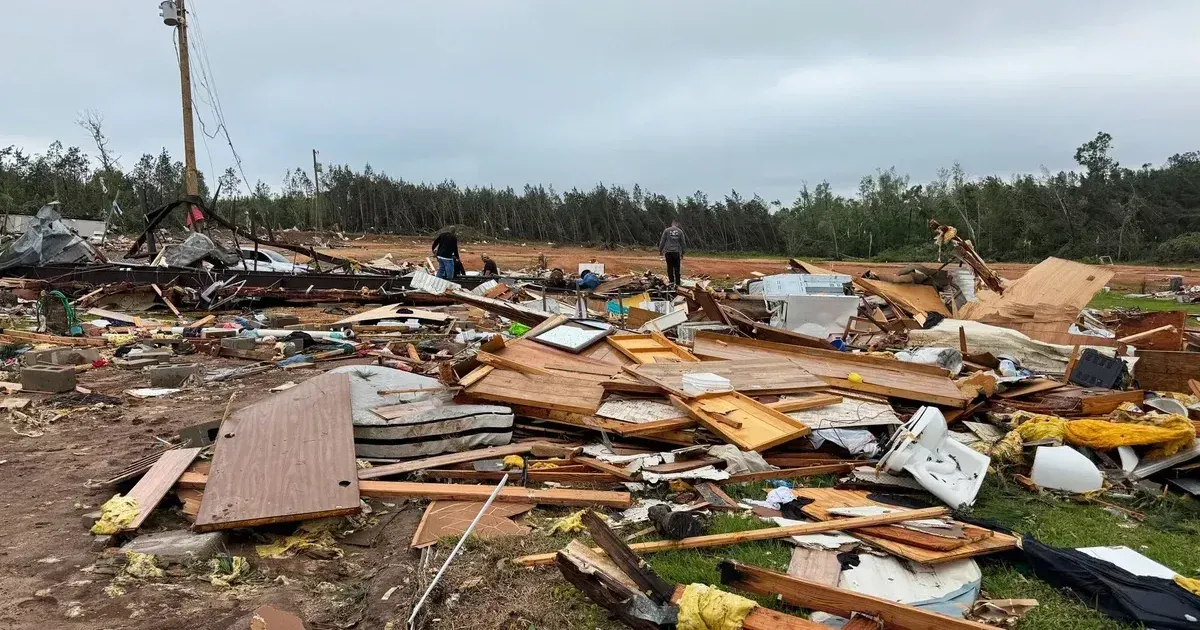
Mississippi communities are still counting damage after violent storms crossed the state. Emergency crews are balancing injury reports with debris removal and housing needs. The building count shows the scale of the cleanup more clearly than the storm track alone. Local officials also have to decide which roads, schools and utilities can reopen first. The toll reported on May 7, 2026, included 17 injuries and damage to roughly 1,000 buildings. On May 7, 2026, Mississippi emergency crews are assessing tornado damage after severe storms injured at least 17 people and damaged more than 1,000 homes and other buildings across central and southern parts of the state. The storm system moved through overnight into May 7, leaving blocked roads, downed power lines and widespread structural damage. Emergency managers said the combination of nighttime warnings and rural damage made the first hours of recovery slower, because crews had to check scattered homes before they could build a complete county-by-county picture.
The National Weather Service received reports of 14 tornadoes during the outbreak, while survey teams were still working to confirm tracks and intensity. That distinction matters because early storm counts often change after meteorologists inspect damage paths on the ground. A single long-track tornado can generate several damage reports, while multiple brief touchdowns can look like one event until survey teams compare radar data, debris paths and eyewitness accounts.
State and local officials said no deaths had been confirmed in the initial reports. That is a significant early outcome for a nighttime severe-weather event, when residents may have less time to see damage, reach shelter or receive help from neighbors. The immediate work focused on checking damaged homes, clearing roads and restoring power in rural areas where tree damage and debris slowed access. Officials also urged residents to avoid damaged structures, because unstable roofs, exposed wiring and broken gas lines can remain dangerous after the storms have passed.
Damage Assessments Continue
Preliminary assessments pointed to more than 1,000 damaged buildings, including homes, businesses and outbuildings. That number captures a broader damage field than the separate count of homes alone, and officials are expected to reconcile those categories as county reports are consolidated. AP separately reported hundreds of damaged homes, underscoring how early estimates can vary as crews move from county to county.
Some of the hardest-hit communities reported roofs torn away, trees pushed into homes and debris scattered across farm roads. In rural Mississippi, those roads are often the only access points for ambulances, volunteer fire crews and utility trucks. Damage of that kind can leave houses standing but unsafe, especially when roof decking, interior walls or electrical systems have been compromised. Mississippi Emergency Management Agency teams are expected to refine the totals as daylight inspections continue and residents file local damage reports.
Emergency officials said at least 17 people were injured as storms tore through parts of Mississippi.
Power outages added another obstacle. Thousands of customers lost service during the height of the storms, and restoration depends on whether crews can safely reach transmission lines, substations and local distribution routes. Utility crews had to wait for debris clearance in some places before reaching damaged lines, and several secondary roads remained unsafe for regular traffic through the early recovery period.
Roads and Recovery Crews
Transportation officials closed roads where fallen trees, utility poles and storm debris created hazards for drivers. Those closures slowed the movement of emergency supplies, especially in rural communities with limited alternate routes.
Hospitals treated patients for injuries consistent with storm debris, falling materials and broken glass. Officials warned that the injury count could change as responders reached properties that had been cut off by blocked roads. Search teams also had to account for residents who sheltered with relatives or left damaged homes before emergency crews arrived.
Temporary shelter and debris-removal operations are likely to define the next phase of the response. Families whose homes are not technically destroyed may still need short-term housing if water intrusion, electrical damage or blocked roads make the property unusable. Local leaders also have to determine which schools, public buildings and utilities are safe enough to reopen after inspections.
Rural Infrastructure Will Determine the Pace of Recovery
The Mississippi storms show how a fast-moving tornado outbreak can strain rural infrastructure even when early warnings help limit deaths. Small counties often have fewer public shelters, fewer backup routes and fewer utility crews available at the moment damage peaks.
Recovery is also expensive in places where the tax base is thin and housing is spread across long rural roads. A single night of tornado damage can leave local governments balancing emergency repairs, debris contracts and aid applications for weeks. The burden is heavier when the same crews must restore power, reopen roads and inspect public buildings before schools, clinics and county offices can return to normal service.
The most important short-term measure is verification. Officials still need confirmed tornado tracks, final injury totals, power-restoration estimates and a clearer building-damage count. Those updates will also help determine whether damage qualifies for broader state or federal support, and how quickly insurance adjusters, volunteer groups and utility contractors can be deployed. Until those reports are complete, the safest reading is that Mississippi avoided a confirmed death toll but still faces a serious recovery operation. The coming updates should clarify which counties need the most state aid, how many homes are uninhabitable and whether federal disaster assistance will be requested. They will also determine how long shelters, road closures, emergency debris sites, outside repair crews, volunteer feeding stations, mobile charging centers and county resource hubs remain necessary.