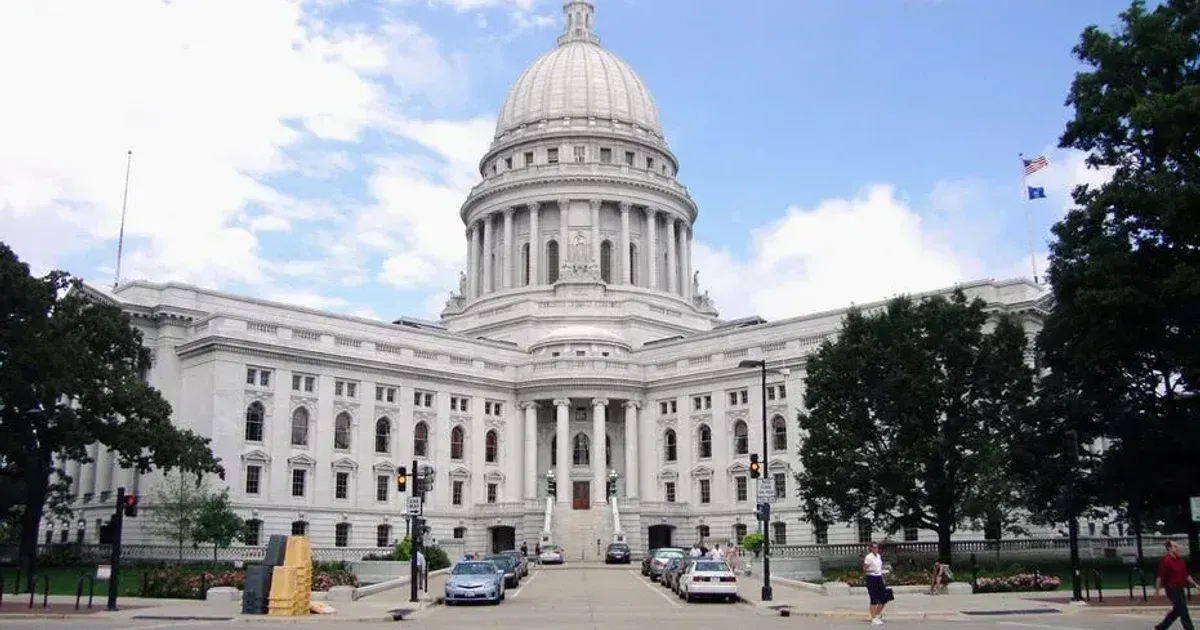
The federal challenge moves immigration policy into a dispute over local authority. Cities and counties say they need room to set enforcement priorities, while Washington says national law cannot be fragmented. That tension has become a recurring courtroom fight under the administration. Local officials also worry that broader cooperation with federal agents can reduce trust in police. On May 7, 2026, the challenge put sanctuary-style policies back in federal court. Federal officials are challenging local immigration-related policies in Virginia and Wisconsin through two separate actions that show how sanctuary disputes are moving into courts, county jails and civil rights enforcement. The Justice Department is examining allegations involving a Virginia prosecutor, while Homeland Security officials are pressing Dane County, Wisconsin, over an ICE detainer request.
The cases are not identical. In Virginia, the issue is whether charging and plea decisions were allegedly shaped to reduce immigration consequences for noncitizen defendants. In Wisconsin, the dispute centers on whether local jail officials will give federal agents enough time to take custody of a suspect charged in a serious criminal case.
Both actions fit a wider federal push to test the limits of local discretion. Federal officials say public safety and equal treatment require cooperation. Local officials and immigration advocates generally argue that criminal courts and county jails should not become extensions of federal immigration enforcement without clear legal authority. That conflict has grown sharper as the administration looks for ways to challenge local policies without waiting for Congress to rewrite immigration law. For counties and prosecutors, the immediate risk is that routine local decisions are now being reviewed as potential evidence of a larger enforcement pattern.
Wisconsin Detainer Dispute
Homeland Security officials urged Dane County to honor an ICE detainer for Julio Cesar Morales Jarquin, a Nicaraguan national charged with two counts of second-degree sexual assault of an elderly victim at a Fitchburg care facility. Local court and jail records identify the charges, while DHS has framed the case as a public safety test for a county it describes as a sanctuary jurisdiction.
ICE detainers ask local authorities to hold a person long enough for federal agents to assume custody. Sanctuary policies often restrict that cooperation when the person would otherwise be released, especially if local officials believe they lack a judicial warrant or separate state-law basis to keep someone in jail. Counties also weigh liability risk, because holding someone beyond a normal release point can invite lawsuits if the legal basis is disputed.
DHS officials have criticized Dane County for allegedly giving ICE little notice before releases in some cases. County officials had not publicly confirmed a final decision on this detainer in the initial reports. That distinction matters because a detainer request is a federal demand, but compliance can depend on local policy, timing and legal risk. It also explains why these cases often become political fights before the underlying criminal case has been resolved.
Virginia Probe Targets Plea Allegations
The Justice Department's Civil Rights Division is also investigating allegations that a Northern Virginia prosecutor offered favorable plea outcomes to noncitizens so they could avoid deportation triggers. Assistant Attorney General Harmeet Dhillon said the division would review whether charging practices treated defendants differently based on immigration status.
Those allegations remain allegations. Prosecutors normally have broad discretion to weigh evidence, public safety, witness problems and collateral consequences when negotiating pleas. Immigration consequences are legally relevant in many criminal cases, but federal officials are drawing a line between individualized judgment and a categorical preference. The federal question is whether the office crossed from case-by-case discretion into a systematic practice that treated one class of defendants more favorably than others.
If the department finds such a pattern, it could seek records, subpoenas or litigation to force changes. That would make the probe more than a political warning and could force local offices to document how immigration consequences are weighed in plea discussions. If the evidence does not support the claim, the investigation may still serve as a warning to local prosecutors that immigration-related plea policies are now under federal scrutiny.
Legal and Political Fault Line
The Wisconsin case gives federal officials a vivid public safety example, while the Virginia probe gives them a legal theory. Together, they show two paths for challenging local immigration policies: pressure counties through detainer disputes and pressure prosecutors through civil rights review.
The political argument is already clear. Supporters of the federal push see these cases as examples of local systems undermining national immigration law, while opponents see a campaign to punish jurisdictions that decline to cooperate beyond their legal duties. Federal officials contend that local governments should not use sanctuary policies to shield people from immigration consequences after criminal charges. Local critics of federal enforcement argue that cooperation can erode trust, raise detention-law concerns and make local systems responsible for federal choices.
The next stage will depend on documentation. In Wisconsin, the question is whether Dane County releases the suspect before ICE can assume custody. In Virginia, the question is whether case files show a repeatable pattern rather than isolated plea decisions. Until those records are tested, the strongest responsible framing is that federal officials are challenging alleged practices, not that the allegations have been proved. That caution is especially important because both disputes involve people who have not had every claim tested in court. The records, not the rhetoric, should decide the next step.