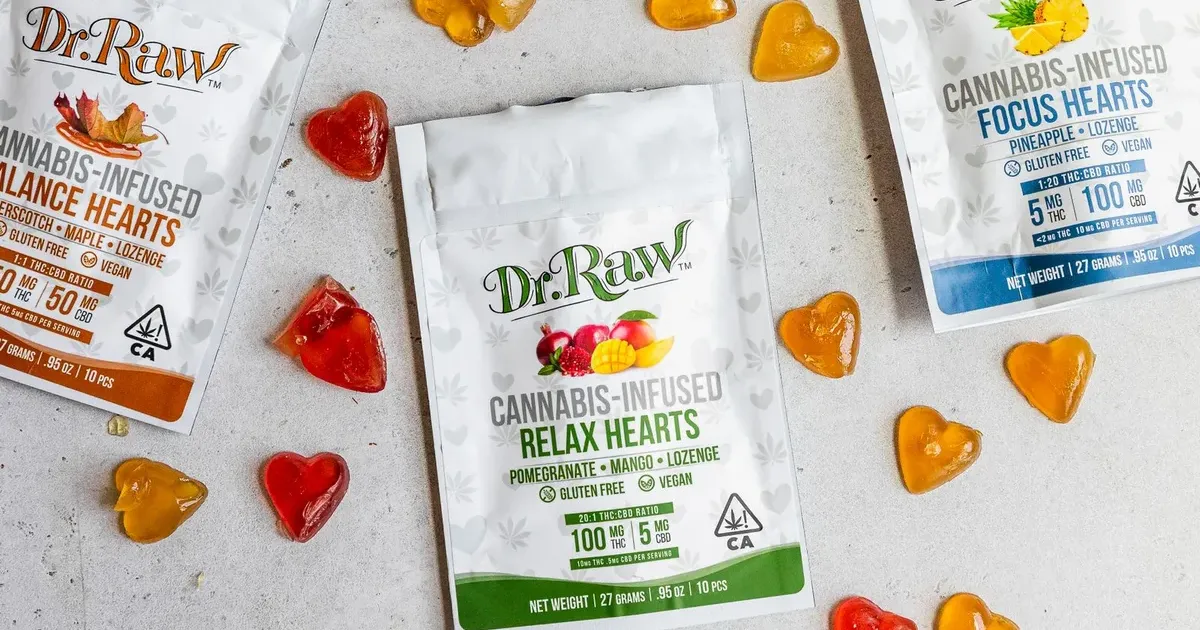
A study of delta-8 THC packaging found wide variation in dose information, health warnings and marketing appeals. The researchers analysed photographs of product exteriors; they did not buy the products or test their contents in a laboratory.
That distinction changes what the results can support. The study can show what a consumer was told on a package and how the product was presented. It cannot determine whether the printed dose was accurate, whether a product contained contaminants or whether one item was chemically safer than another.
The peer-reviewed article was published in the Journal of Studies on Alcohol and Drugs. It examined products used by participants in a broader cannabis-policy survey in the United States and Canada.
The Sample Contained 140 Product Packages
Researchers coded packaging photographs collected during 2021 and 2022. The 140-product sample included 61 ingestibles, 53 vapes, 11 dried-flower products, nine oral liquids and two each of pre-rolls, topicals and concentrates.
The team recorded whether packages described cannabinoid content, displayed warnings and used marketing appeals such as cartoons, cannabis symbols, hemp language or claims about legality. Two coders assessed the packages to improve consistency.
This was not a systematic survey of every delta-8 product on the market. Because the packages came from products used by survey participants, the percentages describe this sample rather than a measured national market share. The photographs also predated publication by several years.
Dose Information Varied by Product Form
Among edible packages, 82% specified intoxicating cannabinoid content per piece and 73.8% specified it per package. Concentration was much less often stated for other forms: 17% of vapes, 27.3% of dried-flower products and 33.3% of oral liquids listed it.
More than half of the edibles claimed at least 25 milligrams of delta-8 THC per piece. The researchers also found one gummy described as containing five servings. Those labels raise a clear risk of misunderstanding a serving, especially when a package does not present the total amount and per-serving amount plainly.
Fifteen percent of packages listed cannabinoids in addition to delta-8 THC. Nine products, or 6.4% of the sample, named at least one other intoxicating cannabinoid such as delta-9 THC, delta-10 THC or hexahydrocannabinol.
Warnings Were Uncommon and Marketing Was Prominent
Only 46 packages, or 32.9%, displayed any health warning. Sixteen of 137 assessable packages placed a warning on a primary display surface. Among products with a warning, about two-thirds placed one on a secondary surface.
Hemp descriptors appeared on 43.6% of packages, cannabis symbols on 28.6% and references to delta-8's legal status on 25.7%. Cartoons appeared on 21.4%. The researchers also identified sweet or fruity descriptions and references to music or partying.
These observations document design choices; they do not measure whether a child saw a package, whether the packaging caused anyone to use the product or whether a particular purchaser misunderstood the label. The authors called for research on how packaging information affects use.
FDA Warnings Come From Separate Evidence
The US Food and Drug Administration has broader concerns about delta-8 THC. The agency says concentrated delta-8 is commonly manufactured from hemp-derived CBD, has intoxicating effects and has not been evaluated or approved by the FDA for safe use in any context.
The FDA has separately received adverse-event reports and poison-centre exposure data involving delta-8 products. It also warns that some manufacturing methods may produce harmful by-products and that edible formats can be mistaken for ordinary food by children. Those concerns are important, but they were not findings of this packaging study.
Consumers should keep intoxicating products away from children and pets and seek urgent help for serious symptoms. A package that uses natural or hemp language should not be read as proof that a product is non-intoxicating, tested or approved.
The study found a communication failure, not laboratory proof of widespread adulteration. Its case for clearer dose statements, prominent warnings and restrictions on youth-oriented design is strong without inventing chemical results. Turning a packaging analysis into a claim about measured solvents, metals or potency would repeat the transparency problem the research was trying to expose.