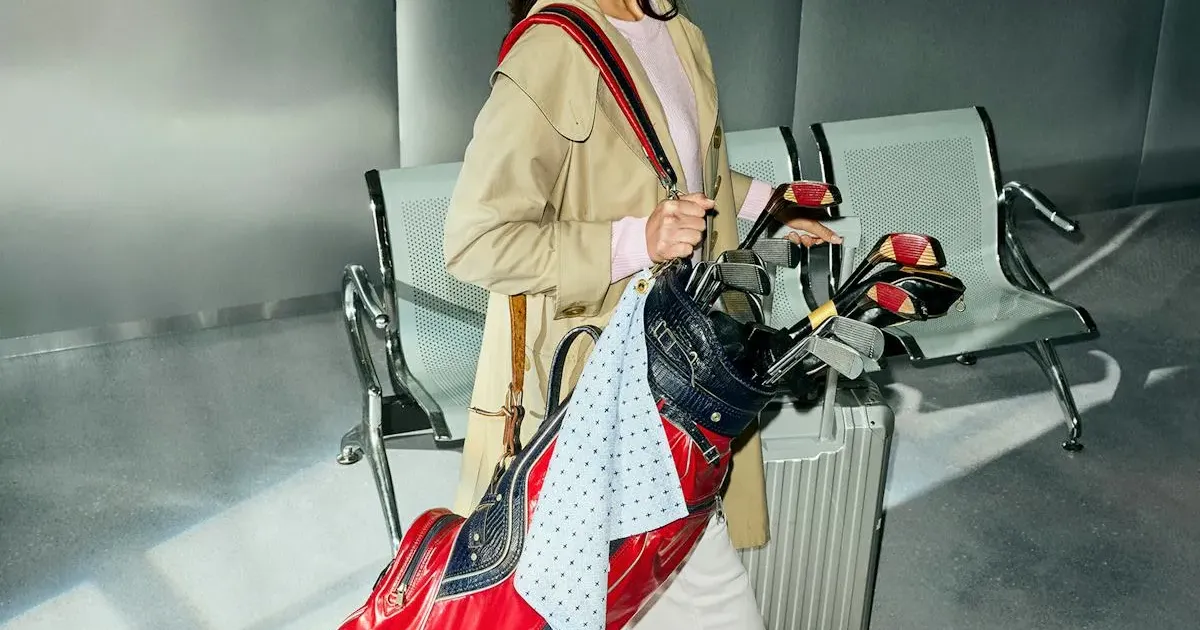
Delta's Masters week push around Augusta was bigger than an airline capacity move. It was a reminder that premium sports travel now starts long before fans reach the venue. The airline expanded service to Augusta Regional Airport, promoted its largest Masters schedule for the market and surrounded the trip with golf-themed details, airport staging and small rituals meant to make passengers feel like patrons before they ever saw Augusta National.
The travel strategy fits the Masters because the tournament is already built around controlled access, tradition and ritual. Fans plan outfits, food stops, phone logistics, merchandise runs and walking routes with unusual care. Delta used that behavior as a travel product. The flight, the arrival hall and the branded handout became part of the tournament's outer ring.
More Flights Reduced the First Bottleneck
Augusta is not built like a normal major-event city. The Masters creates a short, intense surge of visitors into a regional market that cannot absorb demand the way Atlanta, New York or Los Angeles can. Delta's added service, including a schedule described around up to 18 daily flights during the tournament window, helped turn that surge into a more deliberate network play.
The extra capacity matters for obvious reasons: fans, sponsors, media, hospitality guests and local businesses all move through a narrow week. But it also gives Delta more control over the story of arrival. If an airline can make the route feel smoother, more exclusive and more connected to the event, it is selling more than a seat. It is selling the first chapter of the trip.
The Airport Became a Masters Threshold
Delta and Augusta Regional Airport leaned into the terminal as a welcome stage, using golf imagery and Masters-themed touches to mark the transition from ordinary travel to tournament week. That works because Masters patrons are unusually receptive to atmosphere. The event's appeal is not only golf; it is the feeling of entering a place where almost everything is choreographed.
Airports usually try to move people through quickly. During Masters week, the airport can also act as a controlled introduction. A branded terminal does not decide the tournament, but it does tell visitors that their experience has already started. For a high-income audience moving through a rare-access event, that emotional cue has value.
The Caddie Card Was Small but Clever
Delta's Caddie Card was a good example of the strategy at a human scale. Distributed on select flights out of Los Angeles and Atlanta and at Augusta Regional Airport, the card borrowed from the Masters spectator-guide tradition. It gave patrons a place to note meet-up plans, food targets, merchandise reminders and phone numbers for the tournament's phone-bank culture.
The Caddie Card works because it respects one of the Masters' odd strengths: the event's resistance to the usual always-online sports experience. A paper prompt is not technologically impressive. It is useful because it matches the tournament's mood. Delta did not need to invent a new app; it needed to make the passenger feel fluent in Augusta's rules before arrival.
Golf Retail Turned Travel Into Status
The merchandise side pushed the airline beyond transportation. Golf-themed polos, pullovers, accessories and travel items sit in the same commercial stream as the wider Masters-week apparel boom, where brands try to reference Augusta without touching protected marks. Official Masters merchandise is famously restricted to the grounds, which leaves a large surrounding market for inspired-but-unofficial style.
For passengers, those products are not only souvenirs. They are signals of participation. A traveler wearing event-coded gear on the flight is already performing the weekend. For Delta, that gives the brand a way to attach itself to the visual language of the tournament without needing to own the tournament itself.
Premium Sport Now Starts at the Gate
The business logic is plain: major sports travel has become part logistics, part retail and part theater. The Masters is an ideal case because its scarcity makes every touchpoint feel more valuable. Airlines, airports, apparel brands and hospitality companies all want a piece of the emotional buildup before the first tee shot.
The packaging can be useful for travelers when it reduces friction and makes a complicated week easier to navigate. It can also make the whole experience feel more thoroughly packaged. Delta's Masters push shows how far the event economy has moved upstream. The ticket gets a fan into Augusta National, but the selling begins at booking, continues at the airport and follows the passenger all the way to the gate.