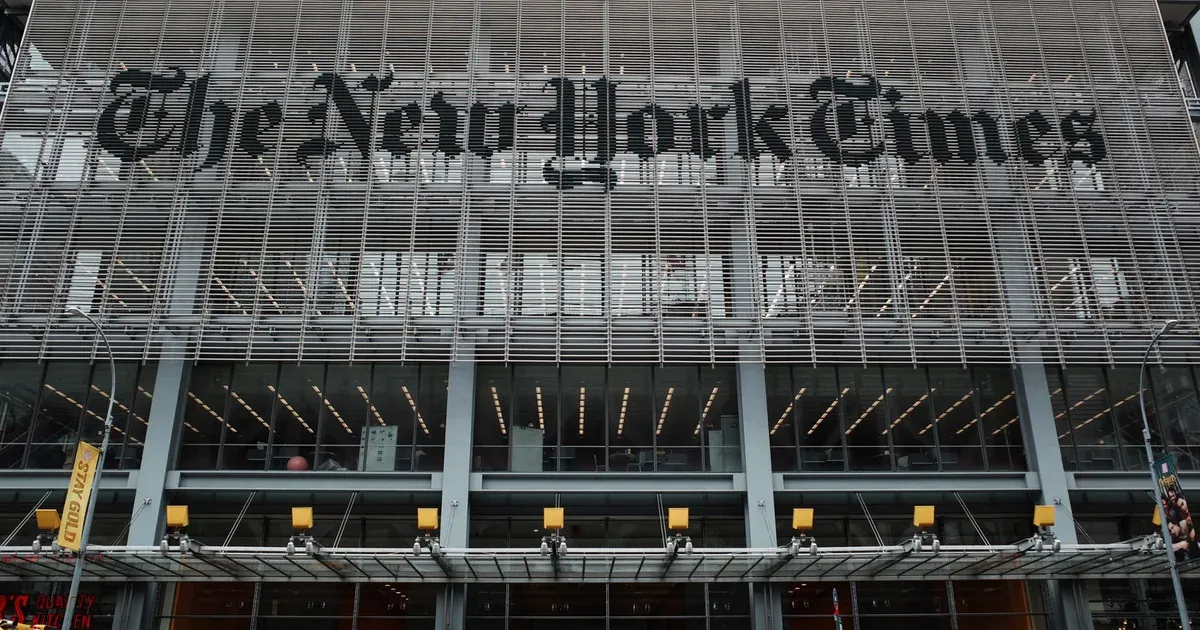
The Justice Department has canceled grand jury demands for documents and testimony that were directed at New York Times journalists and several relatives. The reversal followed sustained questioning from a federal judge about why prosecutors used compulsory process before exhausting less intrusive investigative steps.
U.S. District Judge Arun Subramanian pressed the government during a July 23, 2026 hearing in Manhattan. Prosecutor Sean Buckley initially asked to keep the subpoenas inactive rather than cancel them, saying that approach would preserve records in case investigators needed them later. Subramanian responded that prosecutors could withdraw the demands and return with new applications if later evidence justified them.
The Court Challenged When Prosecutors Reached the Press
Subramanian treated reporter subpoenas as a last investigative measure rather than a starting point. His concern was not limited to which documents prosecutors wanted. He repeatedly asked what other work the government had done first and why the First Amendment burden had been imposed before those alternatives were complete.
The distinction between holding a subpoena in abeyance and withdrawing it mattered to the newspaper. A dormant demand still hangs over a reporter and can preserve uncertainty about testimony, records and confidential sources. A withdrawal removes the current legal command, even though the government can seek another subpoena through a new court application. The Times argued that leaving the demands outstanding had already chilled its journalists.
The hearing also exposed errors in the collection of phone records. Buckley acknowledged that the government obtained records linked to reporters' relatives, including spouses and one reporter's mother, after a public-source database associated their numbers with investigative subjects. He described the collection as a mistake unrelated to the intended inquiry. Subramanian warned that incorrect or incomplete court submissions could support sanctions, while the prosecutor said the errors were inadvertent.
The Investigation Began With Air Force One Security Reporting
The subpoenas followed Times reports about security concerns involving a new Air Force One donated by Qatar. President Donald Trump returned from a trip to Turkey aboard the older presidential aircraft after hostilities with Iran resumed. The Times reported, using unnamed sources, that the Secret Service urged that choice partly because the newer plane lacked antimissile capabilities.
Federal agents later served subpoenas on reporters at their homes, according to the newspaper. The demands sought information that could identify who disclosed the security concerns. Buckley told the court that the journalists were not targets of the criminal investigation; the government was looking for the leakers. He also said prosecutors could offer immunity to the reporters and try to compel their testimony.
The Justice Department and the Times gave sharply different accounts of the withdrawal. The newspaper's deputy general counsel, David McGraw, described it as an affirmation of press freedom and said the subpoenas should never have been issued. A department spokesperson accused the judge of threatening government lawyers with sanctions and preventing the grand jury from receiving evidence in a national-security case. The spokesperson said the underlying investigation would continue.
Withdrawal therefore ends the present demands, not the leak inquiry. Prosecutors agreed to pursue other steps while preserving the option to seek new subpoenas. Any renewed request would return after this hearing created a record of the database errors, the relatives whose information was swept in and the court's insistence that alternatives come first.
The Hearing Sets a Procedural Barrier for Any New Demand
The immediate result protects four reporters from the current subpoenas, but the durable effect lies in the sequence the court required. Prosecutors now have to show that ordinary investigative methods were tried before they again ask journalists to disclose records or testimony. That requirement does not prevent a leak investigation; it raises the evidentiary and procedural cost of turning the press into an early collection point.
The case also shows why an erroneous database match is not a minor administrative defect once compulsory process begins. A mistaken association reached spouses and a parent who were outside the stated target of the inquiry. If prosecutors return, the court can compare the new application with that record and ask whether the government corrected both its data and its method.
That review changes the cost of relying on public-source data as well. A future filing will need to distinguish journalists from relatives and reconcile its factual claims with the errors acknowledged in open court. Otherwise, the dispute will move from whether testimony is necessary to whether prosecutors gave the judge a reliable basis for compelling it.
For the Times, withdrawal removes a current legal threat but not the pressure created by an open investigation. For the Justice Department, continuing the case now requires more than repeating the original demand under a new date. The next subpoena, if one is sought, will have to survive the same question that ended this round: why a reporter's records are necessary after every reasonable alternative has actually been used.