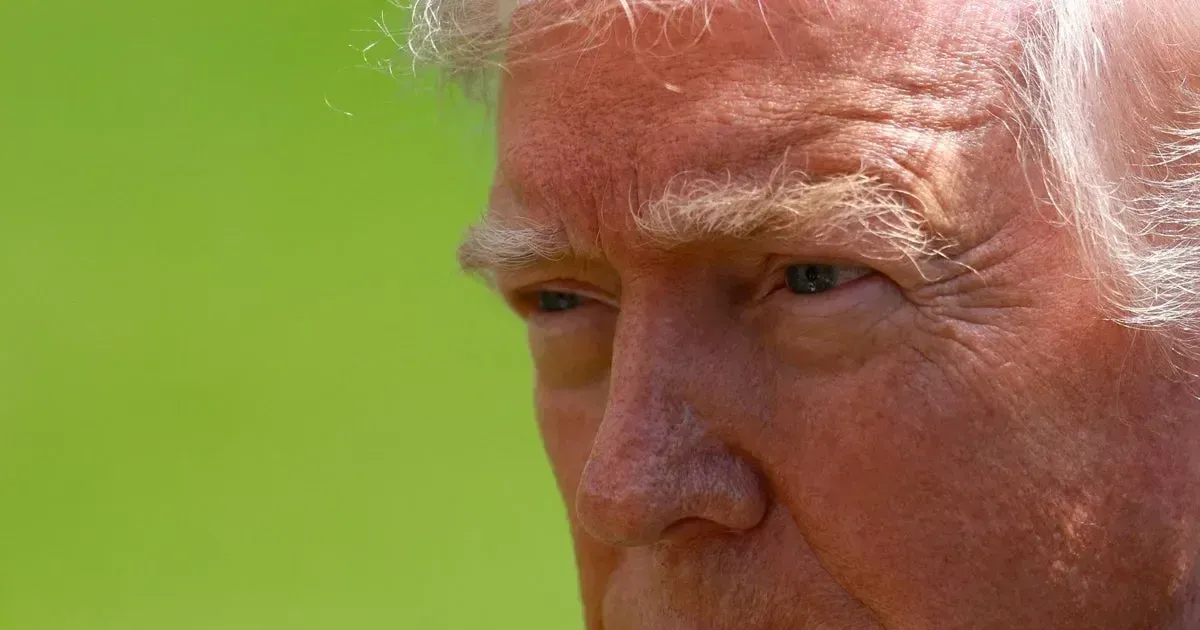
Donald Trump’s return to the correspondents’ dinner turns a hostile media ritual into a calculated show of proximity and control. Donald Trump will enter the Washington Hilton ballroom on April 25, 2026, to attend the White House Correspondents' Dinner for the first time during his presidency. His appearance ends nearly a decade of hostility directed toward the annual event, which he previously dismissed as a gathering of the fake news media. Presidential aides confirmed his attendance late yesterday. Secret Service protocols for the venue reached the highest level of security early this morning. Journalists from across the globe have secured every available seat in the basement ballroom. The guest list now carries more symbolic weight.
Reporters at the event expect a night of high tension rather than typical Washington joviality. Organizers confirmed that the traditional comedic roast will be replaced by a performance from mentalist Oz Pearlman. This shift in programming removes the risk of a stand-up comedian targeting the administration from the podium. Records indicate that Trump has not set foot in the gala since a 2011 appearance as a private citizen. That evening, then-President Barack Obama delivered a series of jokes at Trump's expense regarding his birth certificate claims.
Sources within the administration suggest the current White House strategy seeks to project a sense of normalcy. Tension between the executive branch and the press corps continues to grow regardless of the president's social schedule.
White House Press Strategy and Tradition
Trump's decision to attend marks a departure from his established pattern of holding counter-rallies on the night of the dinner. Historically, his absence served to delegitimize the press corps in the eyes of his supporters. Strategic advisors now believe that physical presence allows the administration to dominate the narrative within the room. Attendance allows the president to speak directly to the very people he has labeled the enemy of the people. This appearance occurs as the White House press office tightens restrictions on daily briefings.
Critics argue that the gala provides a veneer of civility that masks a deep erosion of transparency. Presidential rhetoric has frequently targeted specific reporters for aggressive questioning during televised events. Every guest must undergo multiple layers of screening before entering the Hilton. The White House Correspondents' Association maintains that the dinner funds scholarships for aspiring journalists. No formal remarks from the president have been previewed for the press corps yet. Journalists should expect a night of choreographed interactions.
White House officials frequently emphasize that the president is not afraid of the media. Participation in the event provides a platform to address the establishment on their home turf. Reporters at The Atlantic and other major outlets have faced increasing legal and verbal pressure from the administration. Professional organizations represent a variety of interests, yet they have unified in calling for attendees to defend the First Amendment. A spokesperson for a leading journalism group stated that members must speak forcefully against any attempt to intimidate the free press. This latest White House Correspondents' Dinner marks a significant shift in the administration's ongoing engagement with the media.
Every major news network has purchased tables at the event despite the ongoing litigation involving high-ranking officials. Attendance by the president often increases the commercial value of the dinner's broadcast rights. Security costs for the local police department have doubled since the announcement. Trump frequently uses the gala's history as a point of contention in his public speeches.
Kash Patel Legal Conflict with The Atlantic
FBI Director Kash Patel continues a high-stakes legal battle against The Atlantic over a profile he claims was defamatory. His attorneys filed additional motions in court just days before the dinner. The profile in question scrutinized Patel's role in government and his relationship with the intelligence community. Litigation has reached a stage where discovery could force the disclosure of internal editorial communications. Lawyers for the magazine have moved to dismiss the case on First Amendment grounds. Patel has remained vocal about his disdain for legacy media organizations.
This lawsuit is a central point of friction for many journalists attending the dinner. Some reporters see the presence of both Trump and his FBI Director as an act of defiance against the investigative press. Legal filings indicate that the FBI Director seeks unspecified damages for emotional distress and reputational harm. The court has not yet ruled on the motion to dismiss. Most legal experts believe the case will continue through the summer months. Patel has previously threatened to take similar action against other news organizations.
Direct interaction between Patel and the magazine's staff at the dinner is unlikely due to seating arrangements. The magazine maintains that its reporting was factual and in the public interest.
Mentalist Oz Pearlman Replaces Political Satire
Mentalist Oz Pearlman will provide the evening's entertainment in a break from the tradition of hiring a stand-up comedian. Pearlman gained national fame on reality television before becoming a staple at corporate and political events. Programming choices this year reflect a desire to avoid the fallout of previous roasts. Comedians in past years have sparked controversy by mocking administration officials to their faces. Pearlman's act typically involves mind-reading and psychological illusions. Selection of a non-political act suggests a controlled environment for the president's return. Guests often anticipate the entertainment as much as the presidential speech.
Pearlman has performed for numerous celebrities and politicians in the past. His show does not typically include the biting political commentary found in traditional roasts. Producers of the event have not released a full script of the program. Organizers want to ensure the night remains focused on the scholarship awards. The choice of a mentalist has drawn criticism from those who believe the dinner should include a comedic critique of power. Pearlman appeared on America's Got Talent in 2015. His fee for the evening was not disclosed by the association.
Professional Organizations Demand Media Defense
Professional associations representing journalists have called for a forceful defense of the press during the gala. Leaders of these groups argue that the president's presence does not negate his history of anti-press rhetoric. Every member of the White House Correspondents' Association received a memo detailing the importance of solidarity. The memo urged reporters to use their platform to highlight the dangers of restricted media access. Some members have threatened to protest by remaining seated during the president's entrance. Tensions over the Kash Patel lawsuit have only fueled these calls for action. Public trust in media continues to decline according to recent polling data. Several news organizations have planned separate events to discuss the safety of journalists. Information regarding the guest list remains closely guarded for security reasons. Broadcasters from several continents will provide live coverage of the arrivals. High-level staffers from the executive branch will sit alongside the reporters they often spar with in the briefing room. The dinner is a rare occasion where the two groups share a meal. Organizers have stressed that the focus must remain on the First Amendment. Many observers believe the atmosphere will be the most strained in the history of the event. The association will honor several journalists for their investigative work during the ceremony.
Trump’s Gala Return Turns Press Access Into Political Theater
Donald Trump's return to the Hilton basement is not an olive branch; it is a victory lap inside the lion's den. By attending after years of calling the press an enemy of the state, he is demonstrating that he can dominate the media on his terms without offering a single concession on transparency. The decision to swap a comedian for a mentalist is a calculated move to sanitize the evening and protect the administration from the very mockery that fueled Trump's 2011 grievance. It effectively neuters the event's most potent weapon: the truth told through the lens of satire. Why should the public trust a press corps that clinks glasses with an administration currently suing one of their own? The Kash Patel lawsuit against The Atlantic is the real story of the night, casting a dark shadow over the champagne and black ties. It exposes the dinner as a hollow ritual of access that does nothing to protect the actual practice of journalism. The White House Correspondents' Association is prioritizing a high-profile guest list over its stated mission of defending the profession. The gala has become a performance of civility in an age of open hostility. It is a grotesque spectacle of elite cohesion. The First Amendment deserves a defense, not a dinner party.