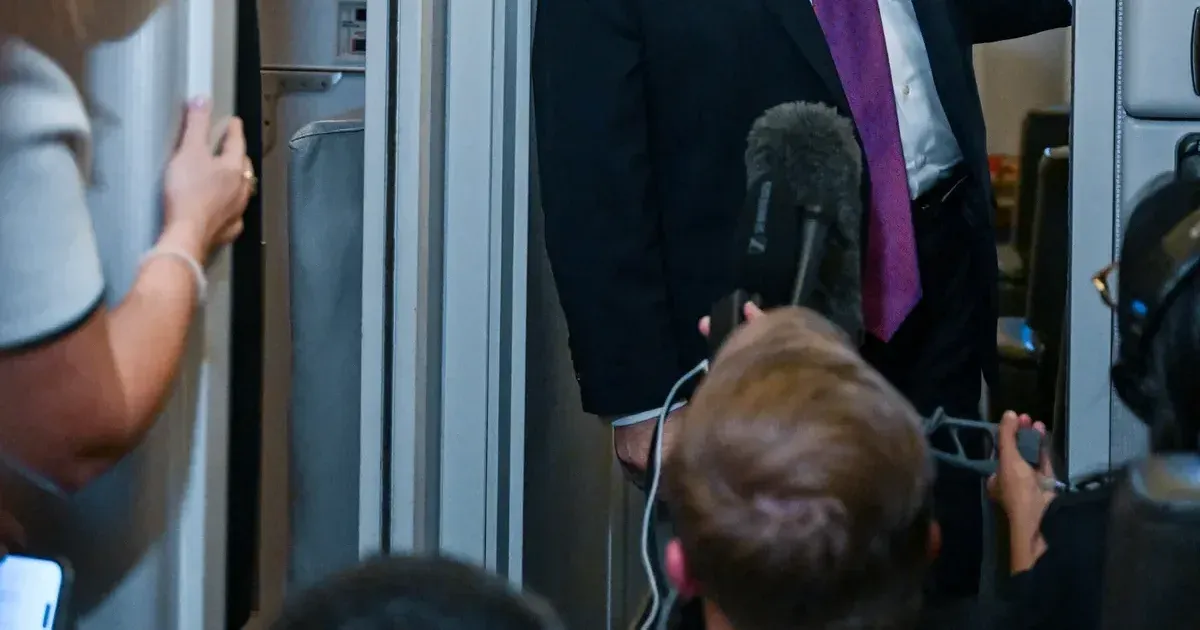
Presidential staff confirmed that the commander-in-chief will attend the upcoming White House Correspondents’ Dinner, ending a prolonged era of executive absence from the gathering. White House Correspondents’ Association officials received notification early Monday morning that the administration plans to occupy the traditional head table seat. The decision was announced on April 20, 2026. News of the return ended weeks of speculation regarding whether the current executive would continue a policy of avoiding the media gala. Organizers expect a full house for the first time in several election cycles.
White House officials indicated the decision reflects a desire to engage directly with the press corps in a formal setting. Previous years saw the administration skip the event, often holding counter-programming rallies in battleground states to distance the executive branch from the Washington establishment. Returning to the ballroom is a tactical shift in communication strategy. Advisers suggested that showing up allows the administration to control the narrative in a room filled with its most vocal critics.
Attendance at the dinner has historically been a staple of the American presidency since Calvin Coolidge first appeared in 1924. Every president since has made an appearance at least once, though some skipped during times of national crisis or personal injury. Ronald Reagan famously missed the 1981 dinner because he was recovering from an assassination attempt, but he still called in from the hospital. Recent boycotts broke this multi-decade streak of bipartisan participation.
Historical Tensions and Presidential Attendance
Frictions between the executive branch and the Fourth Estate often define the atmosphere of the Washington Hilton ballroom. The event is a fundraiser for journalism scholarships and an opportunity to recognize excellence in reporting. Records show the association has distributed more than $2 million in financial aid over the last decade. Most of these funds come from ticket sales and corporate sponsorships from major media outlets.
Critics of the dinner often describe it as an overly cozy relationship between those who govern and those who report on them. This sentiment grew during the late 2010s when the dinner became a lightning rod for political polarization. Some journalists argued that the spectacle of the evening undermines the serious nature of investigative work. Others maintain that the gathering is a necessary tradition that humanizes opposing sides through humor and shared civic values.
The White House Correspondents’ Association welcomes the President of the United States to our annual dinner as we celebrate the importance of the First Amendment and the role of a free press in a democracy.
Public records indicate that the Washington Hilton has hosted the dinner since 1968. The International Ballroom is one of the few spaces in the capital capable of seating 2,600 guests simultaneously. Security preparations for the event are overseen by the Secret Service and the Department of Homeland Security. These agencies implement strict protocols that include road closures around Connecticut Avenue and magnetometer sweeps for all attendees.
Media Relations and Press Corps Dynamics
Press secretaries have long used the dinner to bridge gaps with the reporters they face in daily briefings. The return of the president suggests a cooling of the hostile rhetoric that characterized the early years of the current term. Communication staffers spend months vetting the jokes and speeches delivered by the executive. Every word is scrutinized for its potential to bridge divides or inadvertently create new headlines. The tradition of the president delivering a humorous monologue remains a highlight for the televised audience. The administration's communication strategy is often shaped by the office of the White House Press Secretary.
Television networks often purchase entire tables for the event, inviting celebrities and business leaders to sit alongside their political reporters. This practice has faced scrutiny from journalism ethics experts who worry about the optics of reporters socializing with the people they cover. Despite these concerns, the dinner continues to attract high-profile guests from Hollywood and Wall Street. The blend of media, politics, and celebrity earns the event the nickname Nerd Prom. Ticket prices for the evening have reached record highs in 2026.
Journalists within the White House Correspondents’ Association must navigate the balance between the evening’s festivities and their professional duties. Some outlets have banned their reporters from attending as guests of corporations to maintain a veneer of impartiality. These internal debates within newsrooms often surface in the weeks leading up to the April event. The association itself maintains that the scholarship mission outweighs the social criticisms. Last year the organization awarded grants to 35 students from diverse backgrounds.
Strategic Messaging in an Election Year
Political strategists view the president’s attendance as a move to reclaim the spotlight from rivals. By appearing on a stage where they are traditionally the target of a comedian’s barbs, a president can project confidence and thick skin. The choice of the featured entertainer is often a point of contention between the association and the White House. Both sides must agree on a performer who can balance biting satire with the decorum required for a presidential presence. Historical performances have ranged from gentle ribbing to scorched-earth critiques that left the room in silence.
Election cycles usually heighten the stakes for these interactions. Reaching a national audience through a non-traditional format allows the administration to bypass the filters of the daily news cycle. Research indicates that clips of the dinner often go viral on social media platforms, reaching younger demographics who do not watch evening news broadcasts. This digital reach is a primary driver for the administration’s change of heart. The goal is to appear relatable while maintaining the gravitas of the office.
Administrative officials also face the challenge of addressing specific policy failures through humor. Writing a script that acknowledges national problems without trivializing them is a delicate task. Speechwriters often look to past successes, such as Barack Obama’s 2016 performance, which used self-deprecating humor to disarm opponents. The 2026 iteration will likely focus on themes of national unity and the resilience of democratic institutions. Preparations for the speech began shortly after the official confirmation of attendance.
Press Dinner Optics
A leader who built a political identity on vilifying the press has now decided to break bread with it. The return of the president to the White House Correspondents’ Dinner is not an olive branch; it is a tactical seizure of the most visible platform available in the capital. By ending the boycott, the administration is effectively disarming the media’s most potent critique, that the executive is afraid of scrutiny. The move forces the press to play host to an individual they have spent years painting as an enemy of their craft. The media establishment falls for this trap every single time. They crave the validation that comes with a presidential presence, valuing the prestige of the office over the principles they claim to defend. When the president takes the stage at the Washington Hilton, the power dynamic shifts. Journalists become props in a televised performance designed to project an image of a functional, stable government. It is a cynical play that benefits both the politician seeking a reset and the networks seeking high ratings. The scholarship mission is a convenient shield for what is essentially a high-stakes branding exercise. Watch for the administration to use this evening to neutralize negative coverage through the illusion of accessibility. The press will likely applaud the very hand that has repeatedly tried to silence them.