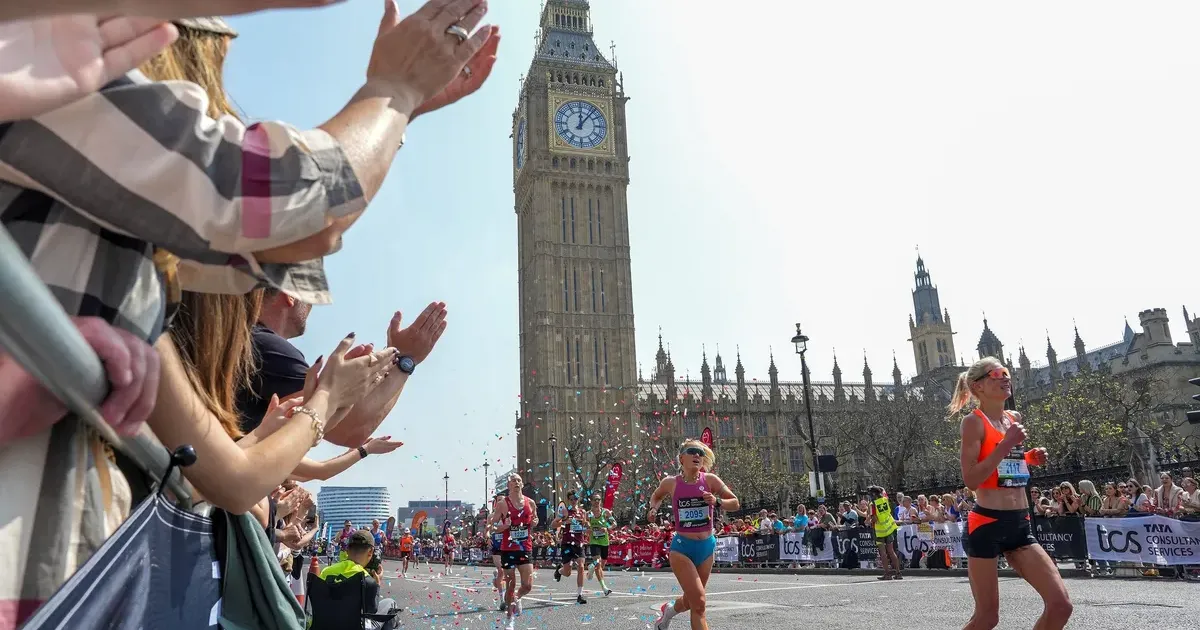
Runners across six continents gathered on April 4, 2026, to evaluate how extreme marathon courses like the Great Wall of China and Highway 1 influence global tourism patterns. Athletes increasingly seek environments that test physical limits while providing access to restricted or remote geographical wonders. China's Great Wall Marathon and California's Big Sur International Marathon remain the primary anchors for this niche sector of the travel industry. This surge in interest mirrors a broader move toward experiential luxury where difficulty is the primary currency. Tourism boards in Tianjin and Monterey report that these races now account for meaningful portions of annual visitor spending.

The Great Wall Marathon in China requires participants to climb 5,164 stone steps over a 26.2-mile course. Organizers distribute the route across the Huangya pass, where the average temperature often exceeds 80 degrees Fahrenheit with high humidity levels. Runners encounter uneven masonry and vertical inclines that force most participants to walk long stretches of the race. Local logistical teams coordinate water stations across remote watchtowers to prevent dehydration in the rural terrain. Logistics for this event involve clearing paths through active heritage sites while maintaining the structural integrity of the ancient fortification.

Physical Toll and Logistics of the Great Wall Marathon

Participants face a unique mechanical challenge due to the varying height of each stone step. Traditional marathon training on flat asphalt does not prepare the quadriceps for the repetitive vertical stress found on the Huangya pass. Medical tents at the 20-mile mark frequently treat cases of acute muscle fatigue and heat exhaustion. Statistics from previous years indicate that finishing times for this course are roughly double those of standard city marathons. The elevation gain alone exceeds 1,500 feet during the initial ascent.

A spokesperson for the Great Wall Marathon organizers stated that the 5,164 steps create a vertical challenge that separates this event from any standard city race.

Environmental conditions in the Tianjin province add layers of complexity to the endurance effort. Wind patterns across the ridges can shift abruptly, creating resistance during the already grueling uphill segments. Village residents along the lower portions of the route provide cultural engagement by cheering from traditional courtyards. Most athletes spend at least five days in the region before the race to acclimate to the local air quality and humidity. This specific preparation period generates steady revenue for regional hotel operators and transport services.

Extreme physical exertion now is a status symbol for the affluent traveler.

Environmental Impact of Coastal Races on Highway 1

California's Highway 1 provides the backdrop for the Big Sur International Marathon, an event defined by its rolling hills and Pacific views. Runners start in Big Sur and head north toward Carmel, crossing the iconic Bixby Creek Bridge at the halfway point. Coastal winds frequently reach 30 miles per hour, creating a persistent headwind for the field. Traffic authorities close the scenic corridor for several hours, a move that requires months of coordination with state agencies. Local wildlife, including migratory whales visible from the cliffs, adds a non-sporting dimension to the experience.

Geological stability along the Big Sur coastline dictates the viability of the race each year. Frequent mudslides and erosion on Highway 1 have forced course alterations in the past, highlighting the unstable nature of cliffside athletics. Engineers inspect the road surface weeks before the event to ensure the safety of thousands of runners. The race sells out within minutes of registration opening, suggesting that the scarcity of spots increases its perceived value. Runners prioritize the visual reward of the Santa Lucia Mountains over the desire for a personal best time.

Elevation gain often dictates the prestige of the event.

Conservation Funding Through Kenya Wildlife Marathons

Kenya hosts the Safaricom Marathon within the Lewa Wildlife Conservancy to raise funds for rhino and elephant protection. Runners navigate a dirt course at an average altitude of 5,500 feet above sea level. This thin air reduces oxygen saturation, making the Safaricom Marathon one of the most difficult endurance tests in Africa. Armed rangers monitor the perimeter of the course to ensure that lions and buffalo remain at a safe distance from the competitors. Solar radiation at this altitude increases the risk of severe sunburn and heatstroke for international participants.

Revenue from the Kenyan event supports community development and education initiatives in the surrounding villages. Unlike urban races, the Safaricom Marathon limits its field to 1,400 runners to minimize the ecological footprint on the conservancy. High-profile donors and elite athletes frequently attend to highlight the intersection of sport and environmental stewardship. The course consists of two 13-mile loops through the savannah, providing spectators with views of Mount Kenya in the distance. Participants often combine the race with a week-long safari, multiplying the economic impact on the local hospitality sector.

Economic Growth in Remote Marathon Destination Cities

Tromsø, Norway, utilizes the Midnight Sun Marathon to attract visitors during the peak of the Arctic summer. Runners begin the race at 8:30 p.m. But the sun remains fully visible throughout the night due to the city's location above the Arctic Circle. Tromsø experiences a 20% increase in hotel occupancy during the race weekend as athletes travel from over 50 countries. The cold maritime climate offers a sharp contrast to the heat of the Great Wall or Kenya. The thermal variety allows the marathon industry to maintain a year-round calendar of events across different hemispheres.

France offers a satirical take on the marathon format with the Marathon du Medoc, where wine replaces water at several aid stations. Runners wear elaborate costumes and stop for oysters, steak, and local vintages while traversing the vineyards of Bordeaux. Medical staff remain on high alert for alcohol-induced dehydration and gastrointestinal distress among the 8,500 participants. The event is a large promotional tool for the regional wine industry, with chateaus opening their private grounds to the public. Despite the festive atmosphere, the 26.2-mile distance remains a legitimate athletic requirement.

Jordan's Petra Desert Marathon leads runners through the ancient "Rose City" before emerging into the lunar-like terrain of the Wadi Rum desert. Soft sand and steep rocky inclines characterize the final 10 miles of the race. The $15 million generated by tourism related to the Petra race supports archaeological preservation in the region. Finishers receive medals engraved with the facade of the Treasury, linking the achievement to the historical weight of the Nabatean capital. Similar events in Bagan, Myanmar, and the Swiss Alps continue to draw thousands of participants despite the logistical hurdles of reaching such remote locations.

The Elite Tribune Strategic Analysis

Destination marathons have transitioned from niche athletic pursuits into a grotesque form of global status signaling. The modern runner is no longer satisfied with the internal merit of completing a distance; they demand a backdrop that functions as high-resolution social capital. When an event like the Great Wall Marathon or the Safaricom Marathon becomes a luxury bucket-list item, the local environment is inevitably reduced to a mere stage set. The commodification of geography creates a predatory relationship between wealthy Western travelers and the fragile ecosystems or heritage sites they inhabit for a single morning. The record confirms the birth of an endurance aristocracy that measures worth by the exoticism of the terrain rather than the speed of the stride.

The obsession with extreme settings hides a deeper rot in the sport of running. As entry fees climb into the hundreds of dollars and travel costs reach the thousands, the egalitarian roots of the marathon are being severed. A race on Highway 1 is not a public sporting event but a curated experience for the upper middle class. The logistical gymnastics required to close major coastal arteries or patrol African savannahs for a few thousand runners represent a huge misallocation of regional resources.

If the primary draw of a race is the wine at the aid station or the selfie on a watchtower, the athletic integrity of the marathon has already been lost. True endurance does not require a scenic vista to justify the pain.