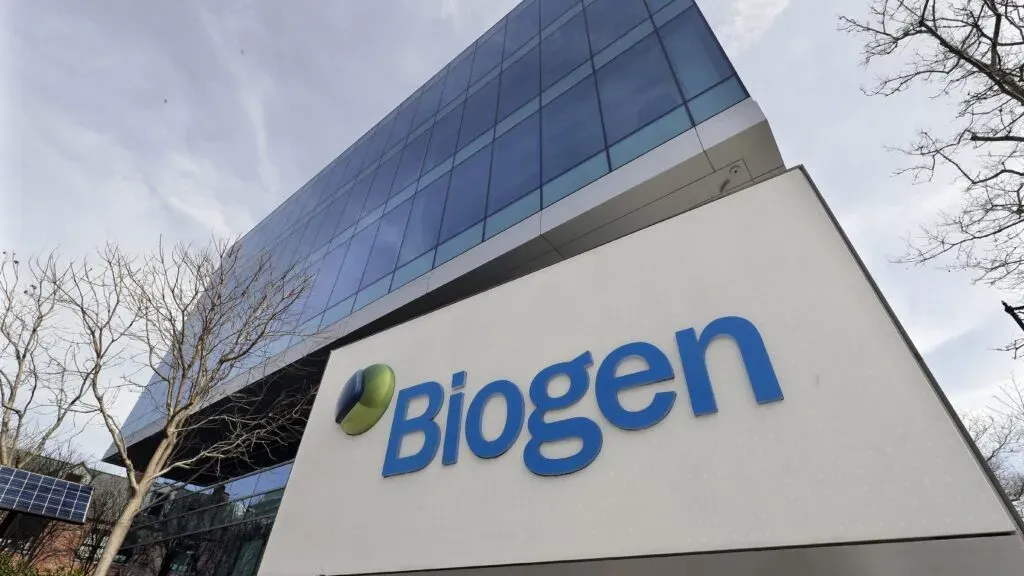
Eli Lilly and Biogen announced that they will spend nearly $12 billion combined to acquire specialized biotechnology companies. Eli Lilly intends to pay $6.3 billion to acquire Centessa Pharmaceuticals, while Biogen has agreed to a $5.6 billion deal for Apellis Pharmaceuticals. Both transactions emphasize a growing corporate hunger for immunology and neurological sleep disorder treatments within the global pharmaceutical sector. By March 31, 2026, both deals showed how aggressively large drugmakers were buying specialized pipelines. Indianapolis-based Eli Lilly confirmed its intent to purchase Centessa for $38 per share in an all-cash transaction. Centessa maintains dual headquarters in London and Boston and has prioritized the development of treatments for sleeping conditions. Centessa shares rose sharply on the news, reflecting a 38% premium over the previous day closing price.
Biogen reached its own agreement to purchase Apellis for $41 per share. Investors noted the meaningful valuation hike, as the offer more than doubles the closing price Apellis maintained on Monday. Apellis focuses primarily on immunology drugs, specifically targeting vision loss associated with aging. Specialized drug pipelines are commanding higher prices than ever.
Eli Lilly Expands Sleep Disorder Pipeline with Centessa
Lilly's acquisition of Centessa targets the competitive market for narcolepsy and other sleep-related disorders. Centessa launched publicly in 2021 with an ambitious portfolio of more than a dozen distinct programs. Over several years, the company narrowed its focus to disorders that impair a patient's ability to remain awake during normal hours. Experimental drugs currently in the Centessa pipeline aim to regulate sleep patterns through novel chemical pathways.
Financial terms of the deal suggest Lilly is willing to pay heavily for regulatory success. Centessa's agreement includes a base price of $6.3 billion, but total compensation could rise to $47 per share if specific drugs win approval from the U.S. Food and Drug Administration. Milestone payments could add $1.5 billion to the final cost of the acquisition. Centessa stockholders stand to benefit from these contingent value rights if clinical trials yield positive data in the coming months.
Executives at Eli Lilly have signaled that the Centessa portfolio complements their existing efforts in metabolic and neurological health. Centessa's transition from a broad-spectrum biotech firm to a specialized sleep medicine developer made it an attractive target for consolidation. Sleeping disorders represent a large unmet medical need in Western markets where productivity and cognitive health are increasingly prioritized.
Lilly's cash reserves allowed for a swift negotiation process that valuation experts say reflects the urgency of big pharma to secure patent-protected assets. Centessa's recent average share price over the last 30 days was approximately 40.5% lower than the offer price. Cash remains the preferred medium for these high-stakes transactions in 2026.
Biogen Targets Vision Loss in Apellis Acquisition
Biogen's purchase of Apellis Pharmaceuticals centers on Syfovre, an immunology drug designed to treat geographic atrophy. Geographic atrophy is an advanced form of age-related macular degeneration that causes the destruction of retinal cells. Immune system dysfunction typically drives this condition, leading to permanent vision loss for millions of elderly patients. Syfovre received initial approval in 2023 and has already demonstrated commercial viability. Apellis recorded $587 million in sales for Syfovre during the previous fiscal year. Biogen expects the drug to serve as a foundation for its expanding immunology division. Purchase terms include an upfront payment of $5.6 billion, but the total could climb if Syfovre hits specific sales thresholds. Apellis shareholders may receive an additional $4 per share based on the performance of the macular degeneration treatment.
Retinal health has become a battleground for large pharmaceutical firms seeking to replace revenue lost to patent expirations. Syfovre treats the underlying immune response that causes cell death in the eye. Biogen has struggled with its primary neurology portfolio in recent years and needs these commercial assets to stabilize its balance sheet. This acquisition provides Biogen with immediate cash flow from an already approved product.
Market Premia and Conditional Payment Structures
Valuations for both Apellis and Centessa indicate a high-level of competition for mid-cap biotechnology firms. Biogen paid more than double the market value for Apellis, a move that surprised some industry analysts. Eli Lilly opted for a more traditional 38% premium for Centessa. Differences in these premiums often reflect the stage of the drug development process. Apellis already has a drug on the market, whereas Centessa is still navigating the experimental phase.
Contingent value rights have become a standard feature in 2026 pharmaceutical deals. These structures protect the acquiring company from overpaying for failed clinical trials while offering shareholders a share of the upside if a drug succeeds. Biogen and Lilly both used these mechanisms to bridge the gap between their own internal valuations and the expectations of biotech boards. Shareholders in the UK and US generally favor these structures in high-risk sectors like drug development.
Institutional investors have reacted positively to the disciplined use of cash in these deals. Biogen's $41 per share offer reflects a calculated bet on the long-term growth of the geographic atrophy market. Lilly's $38 per share offer for Centessa acknowledges the risks inherent in sleep medicine research. Success depends entirely on the ability of these specialized firms to meet rigorous clinical endpoints.
Centessa gives Lilly a chance to expand beyond its best-known metabolic franchise, while Apellis gives Biogen a commercial asset in a field where patient need is clear but reimbursement can be difficult.
Both buyers are paying for optionality. The final value depends on trial durability, label breadth and whether physicians see enough benefit to change prescribing habits. The scale of the spending also shows how competitive rare and specialized treatment markets have become.
Pipeline Risk for Drugmakers
The acquisitions show how large drugmakers are buying narrower scientific bets rather than waiting for internal research to fill every gap. That can accelerate treatment development, but it also concentrates risk in expensive assets that still need regulatory and commercial proof.
Investors will watch whether the premiums translate into durable revenue. For patients, the more important question is whether consolidation speeds access or simply moves promising therapies into larger corporate portfolios.