Energy Secretary Chris Wright issued a federal directive Friday that compels a Texas energy firm to restart production in federal waters. Invoking the Defense Production Act, the Department of Energy seeks to bring the Santa Ynez unit back online after a decade of inactivity. Action focuses on infrastructure located off the coastline of Santa Barbara, where operations ceased following a major rupture years ago. Federal officials contend that domestic energy security necessitates the immediate return of these specific assets to the national supply chain. Sable Offshore Corp. now faces a mandate to restore facilities that have remained dormant since a 2015 spill. That incident, which occurred at Refugio State Beach, resulted in serious ecological damage and a long-term shutdown of the regional energy corridor. While the company has sought local permits for years, federal intervention bypasses several layers of municipal and state oversight. National interests, according to the directive, outweigh the local administrative delays that have plagued the project for over ten years. Wright emphasized that the move is not only about regional output but about the resilience of the Western United States energy grid. By using the same Cold War-era law typically reserved for wartime production, the administration is signaling a preference for executive speed over regulatory deliberation. Industry analysts suggest this is a major shift in how the federal government interacts with state-level environmental protections in California. The Santa Ynez unit historically contributed thousands of barrels of oil per day before its mechanical failure.
Federal Order Targets California Oil
Legal experts note that the Defense Production Act has historically focused on manufacturing shortages or medical emergencies. Applying it to an offshore oil pipeline restoration is a rare use of executive power in the energy sector. Wright argued in the Friday order that the restoration of Sable Offshore Corp. assets is essential to prevent a supply vacuum on the West Coast. This strategy effectively federalizes the timeline for the project, removing it from the standard permitting queue managed by Santa Barbara County officials. Local authorities previously demanded exhaustive safety upgrades and environmental impact reports before allowing the pipeline to be pressurized again. But the federal order suggests those requirements must now be accelerated or superseded by the Department of Energy. The directive requires Sable to provide weekly updates on mechanical repairs and safety testing to federal monitors. Failure to meet these milestones could result in financial penalties or further federal oversight of the company's internal management.
The restoration of energy production in federal waters remains a top priority for national security, and we will use every tool available to ensure these assets are functioning for the American people.
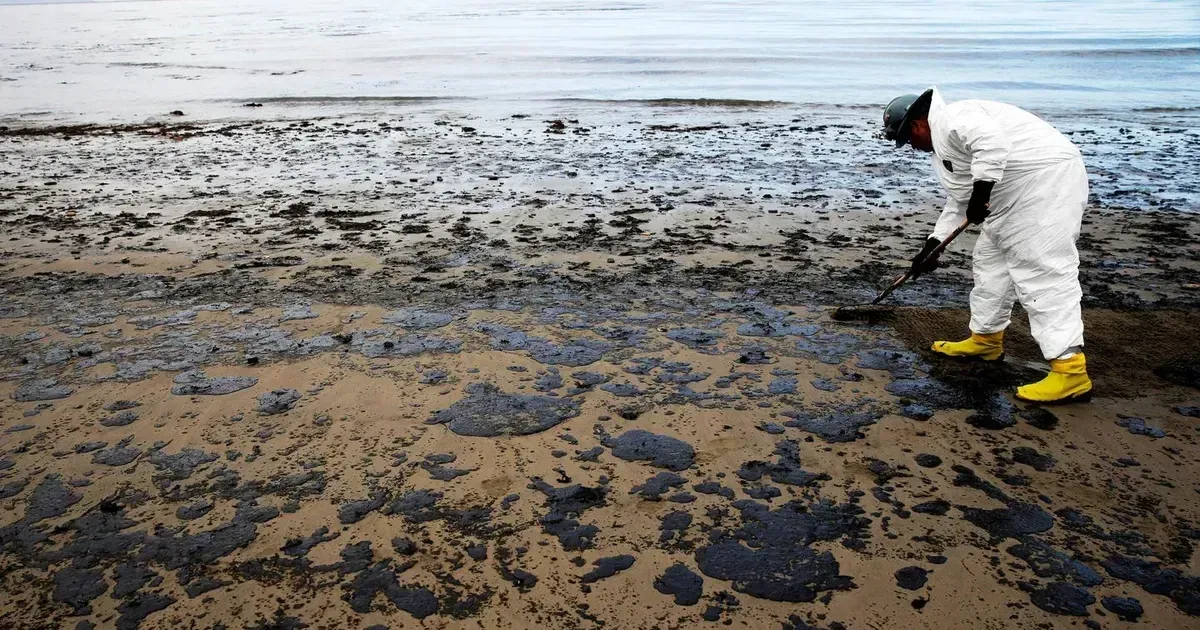
The 2015 spill remains a vivid memory for residents of the California coast. That disaster saw over 100,000 gallons of crude oil leak from a corroded pipeline into the Pacific Ocean. Plains All American Pipeline, the former owner, eventually reached a settlement regarding criminal and civil charges related to the leak. Sable Offshore Corp. acquired the assets with the intent of resuming production, but it has faced a wall of litigation and community opposition ever since.
Santa Ynez Pipeline Returns to the Fight
Operating the Santa Ynez unit requires a complex network of offshore platforms and onshore processing facilities. These platforms, named Hondo, Harmony, and Heritage, sit in federal waters but depend on pipelines that cross state and private land. Because the Defense Production Act covers the entire supply chain, the order impacts both the offshore extraction and the onshore transport mechanisms. Wright specifically cited the need for the 124-mile pipeline system to be made operational to serve refineries in the Central Valley. the technical challenges of reviving a pipeline that has sat empty for a decade are substantial. Corrosion and internal degradation are common in idle steel infrastructure, particularly in saltwater environments. Sable engineers have already conducted various integrity tests, though state regulators have questioned the transparency of those findings. The California Coastal Commission has repeatedly asked for more detailed data regarding the thickness of the pipe walls at key points along the route.
Meanwhile, the Department of Energy has assigned a dedicated team of engineers to oversee the reactivation process. This group will have the authority to inspect every weld and valve without waiting for state-level clearance. The traditional regulatory process would involve months of public hearings and environmental appeals. The federal government is effectively cutting through a thicket of state laws that have kept the Santa Ynez oil in the ground.
Environmental Risk Drives Opposition
Sacramento has long been at odds with federal energy policy, particularly regarding offshore drilling. Governor Gavin Newsom has consistently pushed for a phase-out of fossil fuel extraction in state waters. Legal challenges from environmental groups like the Center for Biological Diversity are already in development. These organizations argue that the Defense Production Act was never intended to bail out private oil companies from their environmental obligations. They contend that the Secretary is using a security pretext to ignore the Clean Water Act and the National Environmental Policy Act. the California Attorney General's office is reviewing the directive to determine if it violates state sovereignty over onshore infrastructure.
The pipeline must cross state lands to reach the processing facility at Las Flores Canyon. California officials argue that even if the offshore platforms are federal, the land the pipes occupy is subject to state law. The state could attempt to block the project by denying access to these land easements. Wright's directive anticipates this conflict by ordering all parties to enable the restoration of the total operation.
Safety advocates warn that forcing a restart could lead to a repeat of the 2015 catastrophe. They point to the age of the infrastructure and the fact that it has not been used in 11 years as primary risk factors. In particular, the valves and emergency shut-off systems must be tested under high pressure to ensure they can handle the flow of heavy crude. If a failure occurs during the restart phase, the ecological consequences for the Santa Barbara Channel would be severe.
Sable Offshore Corp. maintains that its modern sensor technology and updated monitoring protocols make a leak nearly impossible. The company has invested millions in automated shut-off valves that trigger at the slightest pressure drop. These systems are connected to a central control room that provides real-time data to both the company and federal regulators. Wright has demanded that these safety features be fully operational and verified by independent auditors before the pipeline is filled with oil.
The local community remains skeptical of a company that purchased a damaged asset with the goal of profit. Many residents prefer that the platforms be decommissioned and the pipelines removed entirely. But the Department of Energy views the Santa Ynez unit as a critical component of the domestic energy portfolio. Each day the unit remains offline, the West Coast remains more dependent on imported oil from overseas sources.
Energy Security Meets Local Risk
Washington has rediscovered its appetite for executive force, and the casualty in this instance is the concept of local regulatory autonomy. While the Biden administration frequently spoke of environmental justice and the transition away from fossil fuels, the reality of global energy markets has forced a return to cold, hard pragmatism. Using the Defense Production Act to restart a single oil field in California is a blunt instrument, yet it is exactly the kind of move necessary to remind state governments that they do not hold ultimate authority over national infrastructure.
California has spent a decade using administrative sludge to slow-walk a project that was legally entitled to operate, regardless of the 2015 spill. If a company can prove its infrastructure is safe, it should not be held hostage by the political whims of Sacramento. The Energy Secretary is not just ordering the flow of oil; he is reasserting federal supremacy over a state that has forgotten its place in the Union. Critics will cry foul about environmental risks, but the true risk is a federal government that allows its energy security to be dictated by regional activists.
The directive is a necessary correction to a system that has allowed litigation to replace legislation.