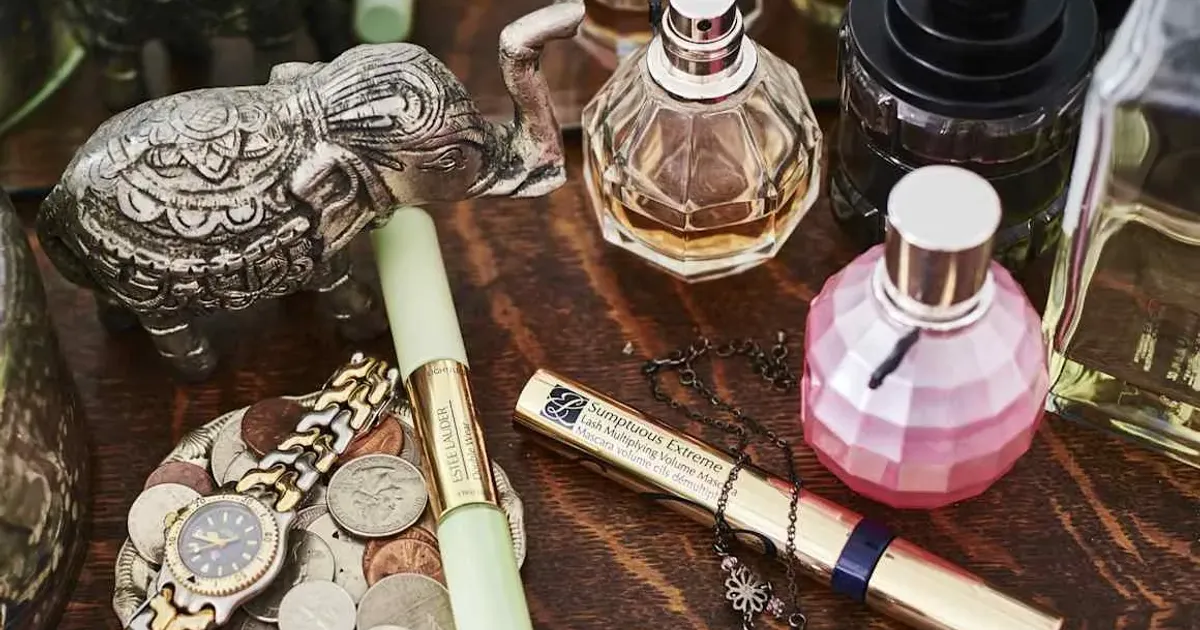
Estée Lauder executives entered formal negotiations on March 24, 2026, to merge the American cosmetics giant with the Spanish luxury house Puig. Representatives from both firms confirmed the discussions followed months of internal restructuring at the New York-based beauty conglomerate. Uniting these two entities would create a global powerhouse with a combined valuation exceeding $40 billion. This potential tie-up marks a major attempt to consolidate the prestige beauty market during a period of shifting consumer preferences in Asia and North America. Corporate filings indicate that the deal would combine some of the most recognizable names in luxury, including Tom Ford, Clinique, and MAC with the European portfolio of the Barcelona-based rival.
Negotiations center on a stock-and-cash transition that would allow the Lauder family to maintain a major minority stake in the new entity. Still, the structural complexity of merging two family-controlled dynasties presents unique hurdles for investment bankers at JPMorgan and Goldman Sachs. The American giant has struggled with inventory gluts and a slower-than-expected recovery in Chinese travel retail throughout the last fiscal year. By contrast, the Spanish group recently completed a successful initial public offering in Madrid, providing the capital necessary for such an ambitious acquisition. Most analysts believe the combined firm would control a dominant share of the global fragrance market.
But family control remains the central sticking point in these high-stakes discussions. The Lauder family owns the votes. Any final agreement requires the approval of Leonard Lauder and William Lauder, who have historically been protective of the brand legacy. In fact, internal reports suggest the family is seeking assurances that the core identity of the New York house will remain intact even under a joint management structure. They are wary of the aggressive expansionism seen in European conglomerates like LVMH. The Lauder board has come under increasing pressure from activist investors to find a strategic partner to stabilize the balance sheet.
Estée Lauder Financial Recovery and Turnaround Efforts
Estée Lauder launched a thorough recovery plan in early 2025 to address falling margins and a bloated supply chain. Yet the turnaround has faced headwinds as younger consumers pivot toward clinical skincare and smaller, niche competitors. Total revenue for the group fell by 9 percent in the previous quarter, prompting the board to consider radical alternatives to a standalone recovery. Integrating with Puig offers a way to diversify away from the heavy reliance on departmental store counters. The Spanish house has excelled in the direct-to-consumer and prestige fragrance channels which have remained resilient despite economic volatility.
So the integration of Tom Ford into this larger structure would likely serve as a plan for other legacy brands. Estée Lauder purchased the fashion and beauty house in 2023 for $2.8 billion, a move that increased its debt load during a high-interest-rate environment. Combining this asset with the fragrance expertise of the Spanish house could unlock significant distribution advantages in Europe and Latin America. Market participants reacted positively to the news, sending shares in the New York firm up 6 percent in pre-market trading. Investors view the merger as a necessary consolidation in a crowded marketplace. Profitability depends on scale.
Puig Global Expansion and Luxury Acquisitions
Meanwhile, market volatility has not dampened the growth path of the Barcelona-based suitor. For instance, the Spanish firm successfully integrated Charlotte Tilbury and Byredo into its portfolio without diluting their brand equity. Puig reported a record 19 percent increase in net sales following its listing on the Madrid Stock Exchange in May 2024. This financial strength allows the company to act as the primary consolidator in a deal that would have seemed impossible five years ago. Marc Puig has repeatedly stated his desire to build a multi-category luxury platform that can compete with the largest players in Paris. They are moving fast.
Because of this, the Lauder family must decide if they are willing to trade total control for long-term survival. For one, the competition from independent brands powered by social media marketing has eroded the market share of Clinique and MAC. These legacy labels require a fresh infusion of capital and a modernized distribution strategy to reach Gen Z consumers. At the same time, the Spanish group wants to use the deep research and development capabilities of the American firm. The teamwork between New York science and Barcelona marketing flair is the primary selling point for the merger. Efficiency gains are expected to reach $500 million annually.
"Estée Lauder is in talks to potentially merge with Spanish beauty company Puig," a company spokesperson stated in a regulatory filing on March 23.
Away from that debate, regulators in both Washington and Brussels will likely scrutinize the impact of this merger on the prestige fragrance sector. A combined entity would own the licenses for Jean Paul Gaultier, Rabanne, and Tom Ford, creating a virtual monopoly in the high-end perfume market. Even so, the companies argue that the beauty industry remains highly fragmented due to the rise of digital-native startups. Legal teams are already preparing a defense based on the global nature of competition from L'Oréal and Coty. A formal antitrust review is expected to take at least nine months once the deal is signed. The stakes for the luxury industry are immense.
Integration of Tom Ford and Rabanne Portfolios
Specific brand strategies will likely shift as the portfolios merge. For instance, Rabanne and Jean Paul Gaultier have found great success by leaning into avant-garde marketing and bold scents. By contrast, the American brands have traditionally focused on heritage and classic luxury. This cultural gap will require careful management to ensure that the distinct identities of each house are preserved. Executives from both sides have held preliminary meetings in London to discuss how to cross-pollinate the talent pools. They want to avoid the pitfalls of previous large-scale beauty mergers that resulted in brand fatigue. Creative directors are reportedly anxious about the potential for cost-cutting measures.
Financial analysts at Bloomberg suggest that the deal could be finalized by the end of the second quarter. The proposed structure involves a new holding company that would house both the American and Spanish assets. For one, this would allow for a more tax-efficient operation in the European Union. At the same time, it provides a neutral ground for the two families to share power. Regulatory filings indicate that the new entity would seek a primary listing in New York with a secondary listing in Madrid. The capital structure will be a complex mix of preferred and common shares. Debt refinancing will be a priority.
The Elite Tribune Perspective
Wall Street often confuses size with stability, but this merger is more of a desperate defensive play than a visionary expansion. Forcing the Lauder family's rigid New York hierarchy into a room with the Puig family's Mediterranean entrepreneurial style is an exercise in cultural friction. It is not a merger of equals; it is a frantic life raft for an American icon that lost its way in the Chinese market. Estée Lauder spent decades building a prestige moat that has finally been breached by nimble, digital-native competitors.
Merging with Puig adds scale, certainly, but it also adds layers of bureaucratic fat to a company that already moves with the speed of a glacier. Investors should ignore the glossy marketing of synergistic beauty systems and look at the debt load. If the combined entity cannot find a way to make Gen Z care about legacy brands beyond a few viral social media clips, this $40 billion giant will eventually buckle under its own weight.
The era of the family-controlled multi-brand conglomerate is ending, even if the executives in Barcelona and Manhattan refuse to see the clear sign. Scale cannot buy relevance in a market driven by authenticity and speed.