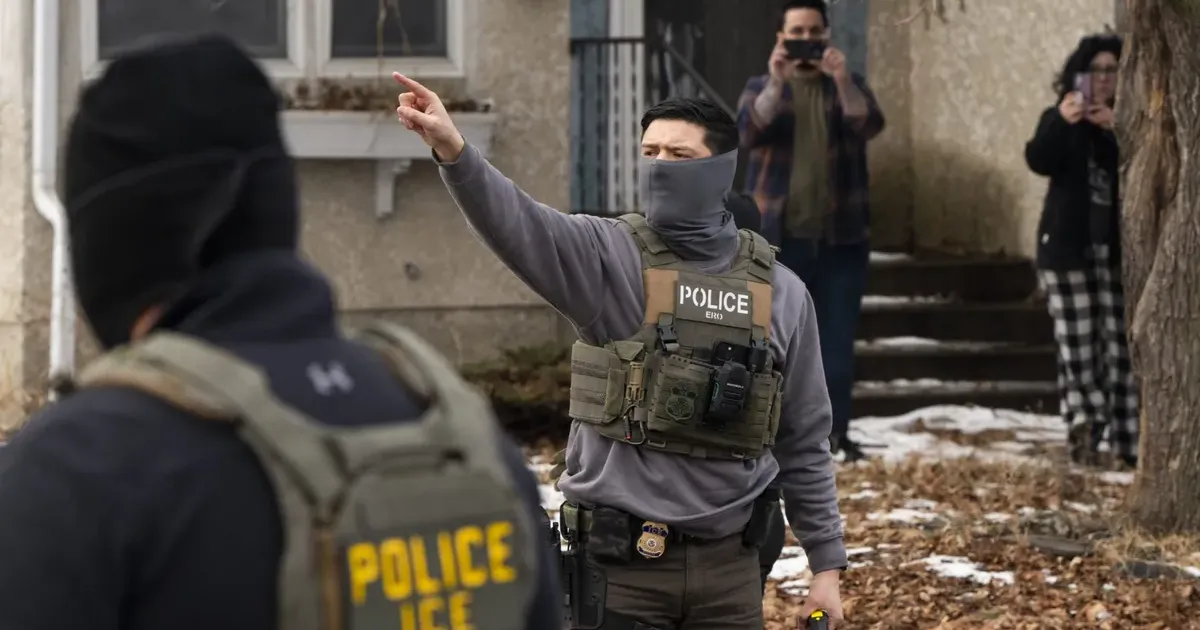
Trump's airport security order puts immigration enforcement into a setting where millions of travelers can immediately feel any confusion. Airports depend on clear command lines, predictable screening and rapid dispute resolution. The airport plan had turned DHS authority and passenger screening into the central pressure points. Trump's airport-security order would put immigration enforcement inside a highly visible travel system. Legal authority, staffing and passenger disruption are the main operational questions. The plan could turn airport delays into a national immigration fight. Courts and DHS guidance will decide how far the policy can go. The policy will succeed or fail in ordinary airport moments. A disputed stop, unclear chain of command or visible delay can turn an enforcement order into a public operations failure before courts even review the legal theory. Legal authority will not be the only test. Airports also need a command structure that frontline workers can explain when passengers challenge what is happening. The airport test is immediate because passengers will notice confusion, delays and disputed authority long before they read the legal defense. The harder issue is review after a mistake. Airport enforcement decisions can affect travel, detention and public trust quickly, so the policy needs a visible process for correcting errors instead of leaving passengers to navigate overlapping agencies. A legal defense will not fix a confused checkpoint. The order needs operational clarity that airport staff can apply while lines are moving and tempers are rising.
If ICE airport security expands without precise DHS authority, delays and legal challenges could become part of the policy itself. The administration will argue that fragmented enforcement has failed, while critics will describe the plan as executive overreach in a sensitive public space. The operational burden falls on airport managers and frontline staff who have to translate a political order into daily procedure.
That is why the policy will be judged not only by intent, but by whether passengers understand who is in charge.
The airport setting also makes mistakes highly visible. A confused checkpoint, a disputed detention or a delay blamed on unclear authority can travel through national media within minutes. That is why the order needs more than political intent; it needs written limits, review channels and instructions that airport workers can actually follow.
Airports are unforgiving places for vague authority. If ICE, TSA, airport police and DHS officials appear to overlap, passengers will experience the policy as confusion before they understand the legal claim behind it. That makes written guidance, complaint review and chain of command as important as the political announcement.
Political Stakes
Airport control is also a staffing problem, not only a policy slogan. If immigration officers are moved into a security role, airports still have to manage passenger flow, screening rules, emergency exceptions and disputes between local managers and federal officials.
The policy also creates a basic management problem: airport operators, local police, federal screeners and immigration officers would need one chain of command that passengers can understand during delays or emergencies.
The final risk is that a security order written for political impact becomes a daily operational problem. If passengers face delays, unclear authority or inconsistent screening, the administration will own the frustration as much as the enforcement message.
The airport setting makes the order unusually exposed. If authority is unclear, passengers will feel it as longer lines, disputed stops or inconsistent screening. The administration can frame the move as enforcement, but the daily test will be operational discipline.
Airport managers also need written limits they can apply under pressure. A rally-line version of the policy is not enough for a terminal where federal agents, local police, airlines and travelers all collide in real time.
Strategic Stakes
The political danger is that airport security works only when authority is boring, clear and predictable. Turning it into an immigration showcase risks making every line, delay and mistake part of a fight the system is not built to absorb.