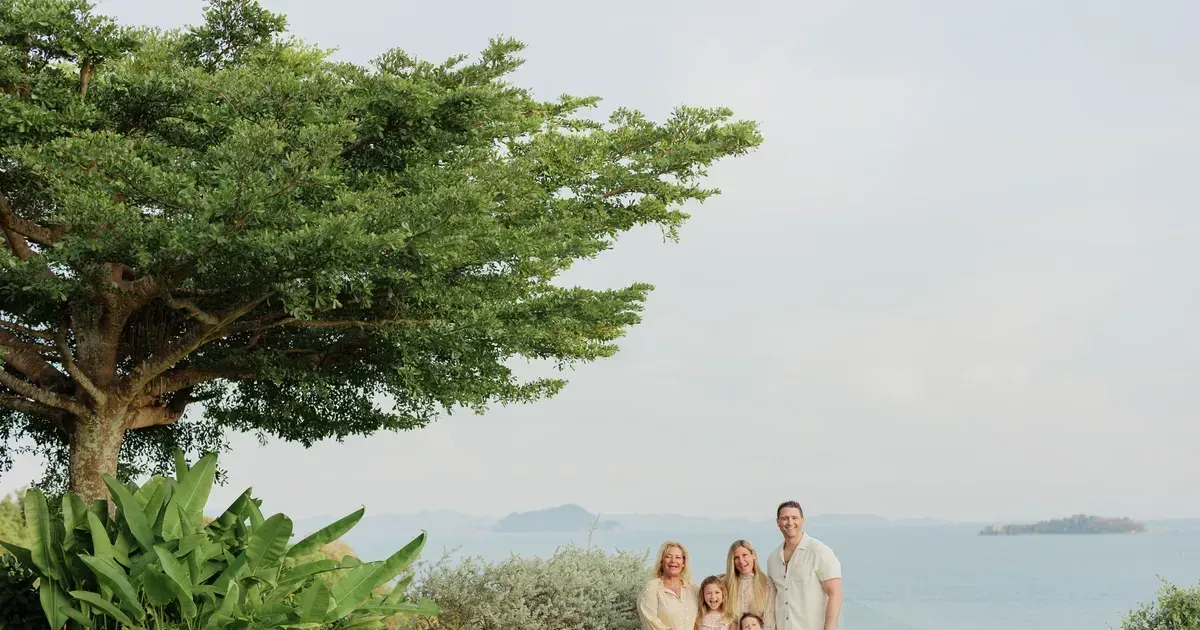
Thailand hosted a record number of Western families throughout early 2026 who sought specific ethical engagement over traditional resort leisure. Market reports indicate that affluent households from the United States and the United Kingdom are steadily opting for extended 15 days itineraries that blend urban cultural immersion with rural animal welfare programs. These travelers are moving away from the insulated experience of high-end hotel complexes in favor of what analysts call purpose-driven exploration.

Data from the Ministry of Tourism and Sports confirms that the average length of stay for international family groups increased by 22% compared to the previous year. $28 billion in revenue was generated by the tourism sector in the first quarter alone, driven largely by high-spending families visiting multiple provinces. Families are now splitting their time between the dense humidity of Bangkok and the southern coastlines of Phuket, often stopping in northern provinces to visit rehabilitation centers for wildlife.

Consumer behavior suggests that the motivation for these trips is the desire for intergenerational bonding through shared educational experiences. Parents are prioritizing activities that teach environmental stewardship and cultural literacy, leading to a surge in bookings for flower market tours and sanctuary visits. Market analysts observe that the trend is less about relaxation and more about the acquisition of cultural capital.

Bangkok Flower Market and Urban Cultural Density

Pak Khlong Talat serves as the primary hub for the floral trade in the capital, operating on a 24-hour cycle that peaks in the early morning hours. Families visiting the market witness the arrival of thousands of jasmine garlands, marigolds, and orchids shipped from the cooler northern regions. The logistics of the market involve a complex network of wholesalers and street vendors who supply the city’s many shrines and hotels. Many visitors now hire local guides to handle the narrow aisles during the pre-dawn hours to see the transition from wholesale auctions to retail sales.

Wholesale prices for roses and lilies fluctuate based on the lunar calendar and upcoming Buddhist holidays, creating a volatile but fascinating economic environment. Bangkok remains the logistical center for these movements, with its rail and air connections making it the inevitable starting point for any cross-country journey. Still, the city is no longer just a transit point, as families spend an average of four nights exploring its street food networks and historical districts.

For instance, many families participate in lotus folding workshops where they learn the specific techniques used to prepare flowers for temple offerings. This level of participation indicates a shift from passive sightseeing to active cultural engagement. Local vendors report that family groups are more likely to purchase traditional handicrafts and artisanal products than the mass-produced souvenirs found in large shopping malls.

Ethical Standards in Northern Elephant Sanctuaries

Elephant welfare has become the central focus for families traveling to northern regions like Chiang Mai, where the history of animal labor is long and varied. The transition from logging and street begging to tourism-based conservation has not been without controversy. International observers frequently scrutinize the many facilities that claim the sanctuary label, leading to a demand for stricter certification and transparency. Families now look for facilities that prohibit riding and performance, focusing instead on observation and habitat maintenance.

The surge in ethical tourism has forced a fundamental recalculation of how we manage captive populations, ensuring that the financial incentive aligns with the biological needs of the animals rather than just the desires of the visitor.

Conservation experts emphasize that the cost of maintaining a single adult elephant exceeds $1,000 per month, covering food, veterinary care, and mahout salaries. Sanctuaries rely on the high entry fees paid by Western tourists to bridge the gap left by the absence of government subsidies for private animal rescues. In turn, the interaction between children and these large mammals is heavily supervised to ensure safety and to educate the next generation about habitat loss.

Yet, the distinction between a true sanctuary and a commercial venture remains a point of contention for animal rights organizations. Some facilities have rebranded without changing their underlying husbandry practices, leading to calls for a universal grading system. Families often research these facilities months in advance, consulting community forums and non-profit databases to verify the treatment of the animals before booking their visits.

Phuket Infrastructure and Family Social Dynamics

Southern Thailand remains the most popular destination for the final leg of a multi-week trip, offering a contrast to the high-energy environment of the capital. Phuket has adapted its infrastructure to accommodate the influx of large family groups by expanding its villa rentals and family-oriented transport services. Private boat charters to the surrounding islands in Phang Nga Bay allow families to avoid the crowds associated with larger tour vessels. These private excursions have become the standard for travelers seeking a controlled environment for children.

Island logistics involve managing a seasonal weather pattern that can disrupt travel between May and October, making the early months of the year peak season for coastal activities. Phuket currently manages a fleet of hundreds of traditional long-tail boats and modern speedboats that service the outlying islands. Still, the environmental impact of this marine traffic is a growing concern for local marine biologists who monitor coral health in the region.

Social dynamics within the traveling group often revolve around the concept of slow travel, where downtime is as valued as the activities themselves. Families are progressively seen engaging in simple activities like playing the card game Uno at seaside cafes or in hotel lounges. This move toward analog entertainment suggests a desire to disconnect from digital environments during the vacation period. The nightly card game has become a staple of the family travel experience, providing a consistent social ritual across different locations.

Economic data indicates that the family segment is the most resilient to global market fluctuations because these trips are often planned as once-in-a-lifetime events. Parents are willing to allocate significant portions of their annual savings to ensure a high-quality, educational experience for their children. The shift toward ethical and slow travel is likely to remain the dominant theme in the Thai tourism market for the foreseeable future.

The Elite Tribune Perspective

Can the modern traveler truly claim ethical superiority while consuming the very environments they claim to protect? The rise of the ethical family vacation in Thailand is less a victory for conservation and more a rebranding of colonial-era exploration for a sensitive age. We see families flocking to sanctuaries to wash elephants, yet few stop to consider the massive carbon footprint of the long-haul flights required to get there. The demand for an ethical experience has created a market where the appearance of virtue is often more profitable than the reality of conservation.

If a sanctuary allows a hundred tourists a day to touch an animal, it is no longer a sanctuary; it is a petting zoo with better PR. We must be skeptical of any tourism model that uses the word ethical as a marketing hook rather than a rigorous operational standard. The nightly game of Uno in a luxury Phuket villa is a charming image, but it does not offset the environmental strain that fifteen days of luxury logistics places on the fragile Thai system.

True ethical travel would require a level of sacrifice and restraint that most Western families are currently unwilling to accept.