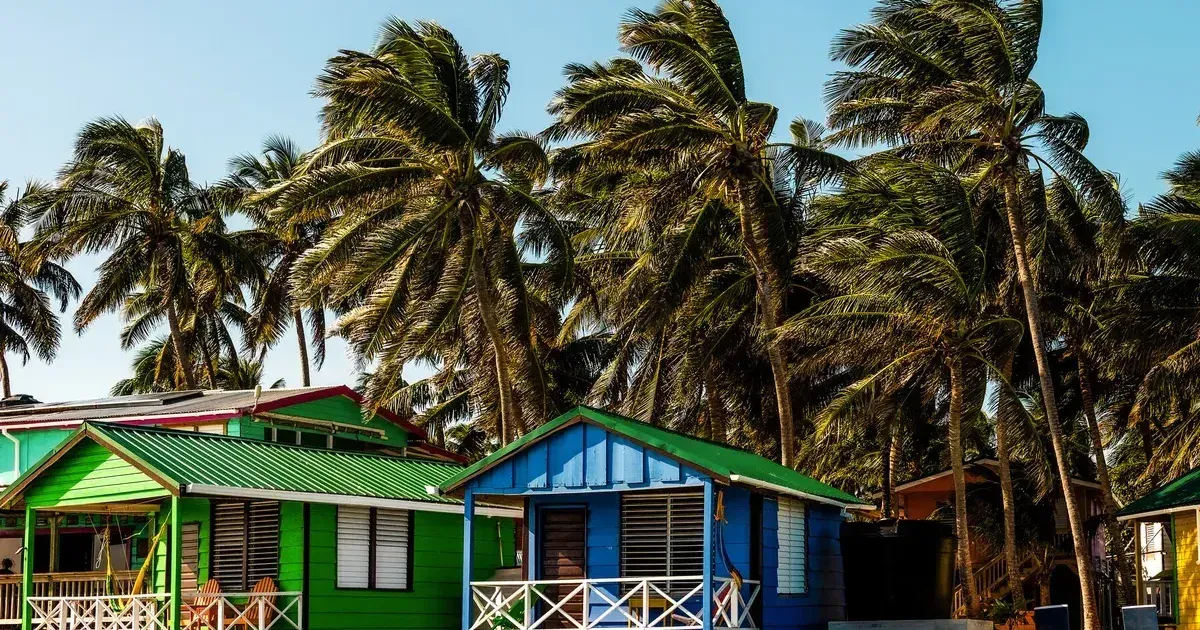
Tobacco Caye welcomed a new wave of travelers this March, offering a five-acre sanctuary on the Belize Barrier Reef. This tiny coral island sits roughly ten miles off the coast of Dangriga, reachable only by small motorboat. Visitors find a sharp contrast to the sprawling resorts of Ambergris Caye or the luxury of private islands owned by billionaires. While Bloomberg suggests Belize is pivoting toward high-net-worth travelers, local boat captains in Dangriga report a steady rise in independent explorers seeking a different experience.

Isolation defines the experience. Small lodges constructed on stilts over the turquoise water provide basic shelter for those willing to trade air conditioning for sea breezes. Rainwater collected in large cisterns provides the only source of fresh water for showers and drinking. Solar panels and small generators supply electricity, though many lodges turn off the power at night to conserve energy. Life moves according to the sun and the tides rather than a resort itinerary. Most travelers arrive with little more than a swimsuit and a pair of fins.

Tobacco Caye Infrastructure and Ecological Footprint

Accommodation on the island remains deliberately modest. Lodges like Tobacco Caye Paradise offer simple wooden cabanas that sit directly over the reef. These structures allow guests to see stingrays and juvenile sharks swimming beneath their floorboards. This reliance on lasting, small-scale infrastructure prevents the island from becoming another over-developed tourist trap. Residents must manage every scrap of waste, as everything brought to the island must eventually be boated back to the mainland. Such constraints limit the total guest capacity to fewer than 100 people at any given time.

Food arrives via supply boats from the mainland twice a week. Communal dining rooms serve traditional Belizean fare, including coconut rice, stewed beans, and fresh-caught snapper. For one, the lack of a commercial kitchen grid means meals are prepared using propane stoves and traditional methods. Travelers often sit together at long wooden tables, sharing stories of the day's sightings. Evening entertainment consists of watching the sunset from a hammock or listening to the Garifuna drums drifting across the water from nearby cayes.

Fresh water represents the most significant logistical hurdle for the residents. Annual rainfall must be carefully managed to last through the dry season from February to May. Travelers are often asked to limit their water usage to a few gallons per day. Separately, the island has seen a shift toward more strong solar arrays to power communal refrigerators and basic lighting. Many lodges still rely on ice blocks brought from the mainland to keep beverages cold. The average nightly cost for a stay including meals frequently totals less than $100.

Belize Barrier Reef Conservation and Tourism Tension

Snorkeling remains the primary draw for anyone visiting this remote patch of sand. The UNESCO World Heritage site surrounds the island, offering immediate access to the largest barrier reef in the Northern Hemisphere. Divers and snorkelers can step off the beach and find themselves in a forest of elkhorn and staghorn coral within seconds. In fact, the reef wall drops off dramatically just a few hundred yards from the shore. This proximity allows for shore diving that would cost hundreds of dollars elsewhere in the Caribbean.

Marine life thrives in the protected waters of the South Water Caye Marine Reserve. Spotting eagle rays, green sea turtles, and nurse sharks is a daily occurrence for those who spend time in the water. According to local guides, the health of the coral here is better than in the more trafficked areas near San Pedro. Still, the fragile system faces constant pressure from rising sea temperatures and occasional storm surges. Conservationists monitor the reef for signs of coral bleaching and invasive lionfish populations. Volunteers often spend their afternoons hunting lionfish to protect the native reef fish.

Tobacco Caye offers a rare opportunity to exist within the reef itself rather than merely visiting it from a distance.

Colorful birds dominate the skies above the island throughout the year. Magnificent frigatebirds and brown boobies nest in the mangroves of nearby Man-O-War Caye. Ospreys frequently dive into the shallow flats to hunt for bonefish. At the same time, the island is a essential stopover for migratory songbirds traveling between North and South America. Local naturalists have documented over 50 species of birds on this single five-acre plot. The density of wildlife makes the caye a premier destination for low-impact birdwatching.

Dangriga Transport Hub and Remote Island Logistics

Dangriga serves as the mandatory gateway for anyone attempting to reach the island. The coastal town is the cultural heart of the Garifuna people, descendants of an Afro-Indigenous population. Most travelers arrive in town via a short flight from Belize City or a three-hour bus ride down the Hummingbird Highway. From the municipal pier, boat captains negotiate fares for the 30-minute crossing to the reef. Yet, the journey depends entirely on the weather and the state of the Caribbean Sea. High winds can frequently delay departures for several hours.

Boat captains usually charge between 40 and 50 Belizean dollars for a one-way trip. These skiffs are small, open-air vessels that must handle through narrow cuts in the reef. In turn, the captains possess an intimate knowledge of the underwater topography, steering around coral heads that sit just inches below the surface. Travelers should expect to get wet during the transit as spray from the waves often clears the gunwales. Most boats leave in the morning before the afternoon trade winds pick up. Each vessel carries a maximum of eight passengers and their gear.

Local commerce in town provides the last chance for visitors to stock up on essentials. Shops along the main street sell sunscreen, insect repellent, and snacks that are unavailable on the island. By contrast, the island itself has no stores or ATMs, requiring guests to bring enough cash for their entire stay. Credit card machines are a rarity and often fail due to poor satellite connections. Even so, the lack of commercialism is exactly what draws the budget-conscious traveler. The local economy relies heavily on these small-scale interactions rather than mass-market cruise ship arrivals.

Sustainability remains a necessity rather than a choice on such a small landmass. Mangroves along the western edge of the island provide a natural buffer against erosion and storm surges. Belizean authorities have implemented strict rules regarding the disposal of greywater and sewage to protect the surrounding coral. Small-scale composting systems turn food scraps into soil for the few coconut palms that provide shade. Every resident understands that the survival of the island depends on the health of the water. The local generator shuts down at exactly 10:00 PM.

The Elite Tribune Perspective

Skeptics often dismiss the idea of a cheap private island as a marketing gimmick, but Tobacco Caye proves that isolation does not always carry a four-figure nightly price tag. We should stop pretending that luxury requires marble floors and infinity pools. The true exclusivity of the Belizean coast lies in its remaining unpaved corners where the reef still breathes. While the Belizean government courts the Four Seasons and Marriott crowds, they risk erasing the very soul of their tourism industry. Tobacco Caye is a stubborn middle finger to the corporatization of travel.

It is a place where your primary concern is the timing of the tide, not the speed of the Wi-Fi. If we continue to prioritize high-yield travelers over ecological and cultural integrity, we will eventually be left with nothing but sterile resorts and dead coral. The grit of a five-acre sandbar with no central power is precisely what makes it valuable. We must defend these budget outposts from the inevitable creep of high-end development. Otherwise, the Caribbean will become a playground restricted to those who value comfort over connection.

True travelers know that the best views usually come with a cold shower and a loud generator. That is the price of admission for paradise.