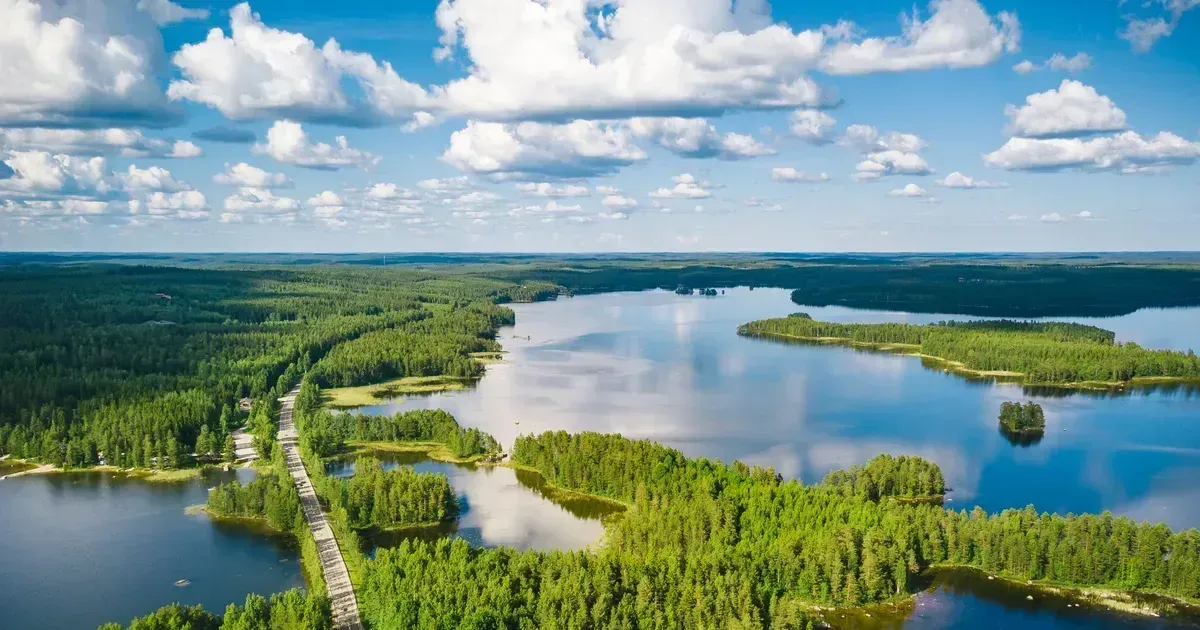
A Tourism Offer Built Around Summer
Finland's offer is not simply a giveaway. It is a tourism strategy built around a season that can be harder to sell internationally than the country's winter imagery. The free trips put foreign visitors in front of lakes, forests, design districts and small-town hospitality that often sit behind the stronger global image of snow, saunas and northern lights. That matters for Finland because summer demand can spread money across regions that do not benefit as much from winter packages or capital-city stays.
The campaign arrives as European destinations compete for travelers who want cooler weather, lower crowding and more nature-heavy itineraries. Subsidized travel can look generous, but it also carries a branding risk if visitors treat the offer as a bargain rather than as an invitation to return at full price. The stronger version of the plan is selective discovery: bring in the right guests, show them an itinerary they would not have built alone and let their experience become the advertising.
Why the Timing Matters
The practical value of the campaign will depend on how carefully Finland chooses the routes it promotes. A visitor sent only to obvious stops may leave with pleasant photos but no reason to return. A visitor guided into lake districts, food producers and design communities can come away with a more durable picture of the country. Regional balance is the real prize.
Tourism money concentrated in one capital creates familiar pressures, while smaller towns need enough demand to keep guides, restaurants and transport links viable outside peak weeks. The offer also fits a wider climate trend. Southern Europe is still powerful, but heat waves and overcrowding have made cooler northern trips more attractive to travelers who once treated the Nordic region as a winter-only idea. Finland has to be careful not to let the word free define the brand.
The strongest message is not that the country is cheap. It is that a well-planned Finnish summer can feel spacious, local and different from the standard European circuit. If the program produces repeat visits, the marketing cost becomes easier to defend. If it produces only one-off bargain trips, officials will have paid for attention without building a lasting travel habit.
The offer also gives Finland a way to spread visitor demand beyond Helsinki and the best-known Lapland winter routes. Summer travel depends on lakeside towns, regional rail links and small operators that need longer booking windows to hire staff and plan capacity.
Tourism officials will have to show that the free-vacation push does not become a lottery gimmick. The useful test is whether subsidized guests spend money locally, return later without incentives and leave smaller communities with durable demand instead of a short burst of online attention.
The Risk Behind the Incentive
There is also a practical airline and rail question behind the campaign. A destination can create interest, but it still needs easy booking, clear seasonal transport and enough lodging variety to turn curiosity into a paid return trip. Travelers who accept a hosted visit may become useful messengers if their itineraries feel credible. A polished press trip can be dismissed; a route that includes ordinary meals, public transport and local hosts is more likely to influence real planning.
The summer bet is therefore about habit formation. Finland wants tourists to think of the country before they have already chosen the Alps, the Mediterranean or Iceland, and that requires more than one attractive subsidy window. The program will also be measured by what happens after the hosted travelers leave. If local operators collect better reviews, stronger search demand and more direct bookings, Finland can claim the subsidy created market knowledge rather than only short-term publicity.
If the attention stays inside a single campaign cycle, the country will have learned that free travel creates interest more easily than it creates loyalty. The subsidy works as marketing: it brings selected visitors into less familiar regions and turns their trips into attention for future travelers. Finland is trying to move from being a dream destination to being a repeatable vacation choice. That requires better routes, more visible regional lodging and a clearer reason for travelers to pick Finland over Sweden, Norway or Iceland.
The Free Trip Must Become a Pipeline
The strategic test is whether the free trip becomes a one-time expense or a pipeline. If visitors return, recommend longer stays and spend outside Helsinki, the subsidy becomes an investment in a wider tourism map. If they do not, Finland will have bought a burst of attention and called it strategy.
That is the blunt risk behind the generosity. Free travel can cheapen a destination if the experience feels like a prize rather than a habit-forming route. Finland should not be selling itself as Europe’s bargain bin. It should be using the subsidy to prove that its summer has enough depth, regional texture and repeat value to compete without a coupon attached.