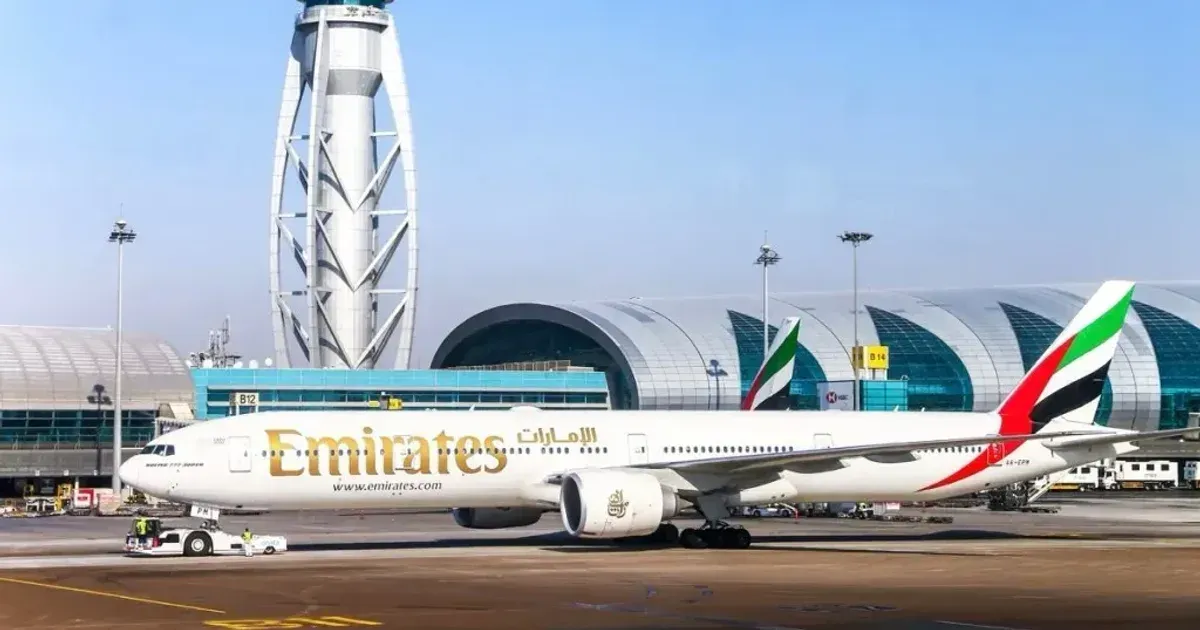
Iran became the center of a logistical nightmare that has effectively dismantled the transcontinental travel model overnight. Carriers including Lufthansa and British Airways diverted hundreds of flights to avoid the combat zone. These diversions added four hours to routes between London and Singapore, straining fuel reserves and crew duty limits. The immediate reaction from the markets saw airline stocks tumble by 12 percent within the first hour of trading. Aviation analysts pointed to the sudden loss of Iranian airspace as a structural failure for which few companies were prepared. Most flight paths between Europe and Southeast Asia rely on the corridor over Tehran to maintain economic viability. Without this passage, airlines must choose between the crowded skies over Saudi Arabia or the politically sensitive routes over Central Asia. Some carriers chose to cancel operations entirely rather than absorb the escalating operational costs. Jet fuel prices in the region spiked to $120 per barrel as supply chains faced direct military threats. Fuel surcharges are now appearing on passenger tickets across the globe. Travelers booking flights to Asia from Western capitals found prices had increased by 40 percent in a 48-hour window. This financial strain is compounded by the suspension of code-sharing agreements among regional partners. Airlines are prioritizing their own metal over alliance commitments to manage limited capacity. Disrupted schedules have left tens of thousands of passengers stranded in connecting hubs like Istanbul and Doha. Ground crews in these cities reported a 200 percent increase in rebooking requests. Yet the physical dangers of the conflict pose an even greater threat to the industry than the economic data suggests. Intelligence reports cited by industry insiders indicate that long-range missile batteries and electronic jamming now cover the most common civilian flight paths. Carriers have little choice but to fly thousand-mile detours that consume huge amounts of fuel.
Airlines Reroute Around Conflict
Aviation authorities across the globe issued emergency notices grounded in the reality of active kinetic warfare. The closure of the Tehran Flight Information Region removed a critical link in the global air traffic network. Pilots now handle a patchwork of narrow corridors that were never designed for this volume of traffic. Congestion in the skies over Turkey and Egypt reached critical levels by Tuesday morning. Air traffic controllers in Ankara reported handling a flight load nearly double their normal capacity. Safety margins are thinning as dozens of aircraft compete for the same altitudes and headings. The technical requirements for long-haul flights have changed almost instantly. Many twin-engine aircraft require access to diversion airports within a defined flight time for safety compliance. The loss of Iranian airfields removes these emergency options for flights over the Persian Gulf. This forced some airlines to use older, four-engine aircraft that are less fuel-efficient but meet safety regulations for remote operations. 60% of the world's wide-body fleet is now operating on suboptimal routes that drain profitability. Airlines are burning through their cash reserves to keep these essential links open.
Tourism Hubs Lose Transit Traffic
Insurance underwriters responded to the outbreak of hostilities by immediately revoking standard coverage for aircraft entering the region. Specialty war risk premiums surged to levels not seen in decades. This shift forced several mid-sized carriers to ground their fleets because they could no longer afford to insure their assets. Major international insurers are now requiring daily assessments before approving flight plans for any route within a 500-mile radius of the conflict. One major European carrier saw its insurance overhead increase by $2.5 million per week. These costs are being passed directly to consumers through a new wave of war-related surcharges.
The financial pain extends beyond the cost of the policies themselves. Financing agreements for leased aircraft often contain clauses that prevent operation in high-risk zones. Lessors began issuing notices of default to airlines that continued to fly near the combat theater. The legal pressure created a rift between airline operations departments and their corporate finance offices. For instance, several Asian carriers were forced to return leased Boeing 787s to storage facilities in stable regions. The global active fleet has shrunk by 5 percent since the hostilities began.
Insurance Costs Pressure Carriers
Dubai and Doha have built their entire economic identities on the concept of the global crossroads. The Iran war has turned this advantage into a liability as travelers avoid the region entirely. Hotel occupancy rates in the United Arab Emirates dropped from 85 percent to 30 percent in less than a week. Business conferences and luxury tourism initiatives were canceled or moved to European cities. Even travelers with no intention of visiting the combat zone are opting for Pacific-based routes to avoid the Middle East. The loss of transit revenue is affecting everything from duty-free sales to airport landing fees.
Meanwhile, the logistical burden on these hubs is reaching a breaking point. Transit hotels are overflowing with passengers whose connecting flights were canceled due to airspace restrictions. Local governments are scrambling to provide temporary visas for thousands of people stuck in legal limbo. In practice, the cargo sector is facing a backlog that could take months to clear. High-value electronics and perishables are sitting on tarmacs in 100-degree heat. These delays are rippling through global supply chains and causing shortages in Western retail markets.
Markets in Europe and North America are beginning to feel the secondary effects of the travel collapse. Luxury brands that rely on high-spending tourists from the Gulf are reporting a sharp drop in foot traffic. Tour operators specializing in cultural excursions to the Middle East have seen their entire 2026 booking calendars erased. The impact is not limited to those with direct ties to the region. The general increase in airfares has discouraged discretionary travel across all sectors. Families are canceling summer vacations because the cost of a transatlantic flight has doubled since February.
The travel industry finds itself in a period of forced contraction. Small travel agencies are closing their doors as commission revenue disappears. Large booking platforms are issuing profit warnings to shareholders. Rail operators in Europe and North Africa are seeing a surge in demand as people look for safer alternatives to flying. But these ground-based systems cannot replicate the scale or speed of the aviation network that the Iran war has broken. Global mobility has regressed to a state not seen since the mid-twentieth century.
Travel Networks Depend on Open Airspace
Why should we be surprised that a system built on the fragile peace of a single region collapsed at the first sign of real fire? The global travel industry has long operated under the delusion that geography was a solved problem. We treated the sky over the Middle East like an infinite highway, ignoring it was actually a bridge of glass. The war has not just broken travel; it has exposed the terminal vulnerability of our hyper-connected world.
For decades, airlines prized efficiency over resilience, stripping away the redundancies that might have saved them from this exact scenario. Now, the same executives who cashed out during the boom years are begging for government bailouts to solve a crisis of their own making. It is time to stop pretending that the travel model of 2019 is coming back. The era of cheap, frictionless flight was an anomaly, a historical accident fueled by subsidized fuel and a temporary absence of great-power conflict.
We are now entering a period of gated skies and premium mobility where international travel returns to its status as a luxury for the few. The industry is not waiting for a recovery; it is waiting for a total reordering of how humans move across the planet.