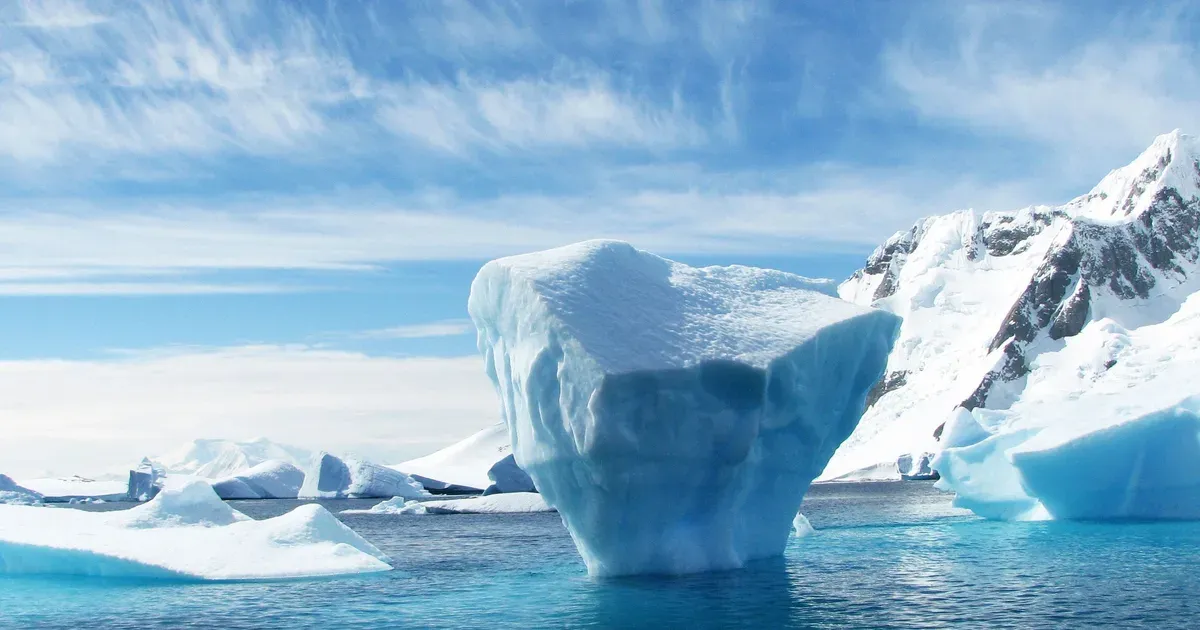
The journey to Antarctica defines the culmination of a family effort to honor a mother's dying wish. The family boarded the ship in Ushuaia. But the logistical reality of such a request often clashes with the romanticism of the sentiment. Planning a trip to the seventh continent involves managing a complex web of environmental permits and vessel schedules. Most commercial operators belong to the IAATO, an organization that regulates human impact on the ice. Expeditions often cost upwards of $25,000 per person. Meanwhile, the emotional weight of carrying a deceased relative's aspirations can become a heavy physical burden. The mother had never seen the ice during her lifetime. The request arrived during her final weeks in hospice.
Antarctica Trip Carries Final Wish
Crossing the Drake Passage remains one of the most punishing physical hurdles for any traveler. This stretch of water connects the Atlantic and Pacific oceans. The churning currents create some of the roughest seas on the planet. Wind speeds in the channel frequently exceed 60 miles per hour. According to industry records, the number of visitors to the white continent has grown exponentially over the last decade. The IAATO reported that 70,000 people made landings during the 2018-2019 season. This figure nearly doubled in subsequent years. The agency tracked nearly 120,000 visitors in the previous season. The allure of the high latitudes remains irresistible for those seeking a serious sense of scale. Travelers must fly to South America before embarking on a sea voyage that lasts several days. Modern expedition ships use ice-strengthened hulls and satellite navigation. The captain logged a sea state of eight on the Beaufort scale. The financial burden of these trips creates a major barrier to entry for the average family. Airfare to the tip of South America can exceed four thousand dollars during the peak summer season. Gear rentals and mandatory emergency evacuation insurance add several thousand more. Booking a suite requires a lead time of at least 18 months. For instance, the cost of a triple-occupancy cabin on a standard expedition vessel starts at twelve thousand dollars. Luxury options with helicopter excursions and submersibles can reach six figures. Most passengers are over the age of 55. Even the family viewed the expense as a non-negotiable debt to their matriarch. They spent two years liquidating assets and saving from monthly salaries. Her journals detailed a lifelong obsession with the heroic age of exploration. The rise of last-chance tourism has prompted intense scrutiny from environmental scientists and conservationists. Every passenger ship brings the risk of introducing invasive species to the fragile system. Protective protocols require travelers to vacuum their pockets and scrub their boots before every landing. Researchers noted a 3% increase in local ice melt near popular landing sites. The carbon footprint of a polar expedition is sharply higher than a standard vacation. A single passenger on an Antarctic cruise accounts for more carbon emissions than the average person produces in an entire year. This industry operates under the Antarctic Treaty System. The final cost exceeded the initial estimate by 15%. The journey was a struggle against the elements and the family's internal exhaustion. They spent eighteen days at sea. Cold wind whipped across the deck of the Drake Passage as they reached the South Shetland Islands. The trip spanned exactly twenty-one days.
Psychologists observe that fulfilling a dying wish provides a structured path through the initial stages of mourning. It gives the survivors a mission to focus on during a period of deep disorientation. The mission replaces the void left by the loss. One daughter described the trip as a physical manifestation of her mother's presence.
The pressure to find meaning in every iceberg can lead to emotional fatigue. Travelers often feel an obligation to experience genuine awe even when they are seasick or exhausted. The expectation of catharsis is a heavy load. The vessel returned to port on a Tuesday.
The family finally reached the interior of the peninsula on a clear January afternoon. They stood on the ice together for twenty minutes. The silence of the Antarctica interior was absolute. They left the continent three days later.
Grief Travel Meets Real Logistics
Consider the particular cruelty of a bucket list that must be checked by someone else. While we sentimentalize the dying wish as a final gift, it is more accurately described as a posthumous command. The family in question spent thousands of dollars and hundreds of hours managing the world's most dangerous waters not for their own leisure, but to satisfy a ghost.
We are quick to celebrate the fulfillment of these promises, yet we rarely acknowledge the resentment that can brew in the shadow of such a major logistical and financial undertaking. Antarctica is a place for scientists and seasoned explorers, not a backdrop for expensive familial therapy. By turning the most remote wilderness on earth into a destination for closure, we commoditize the environment and the mourning process simultaneously. The true tribute to the dead should be found in living for the future, not in fulfilling expensive, carbon-heavy fantasies of the past.
If the ice melts faster because we are chasing ghosts, the price of closure is far too high for the planet to pay. The dead have no need for the cold; the living should stay in the sun.