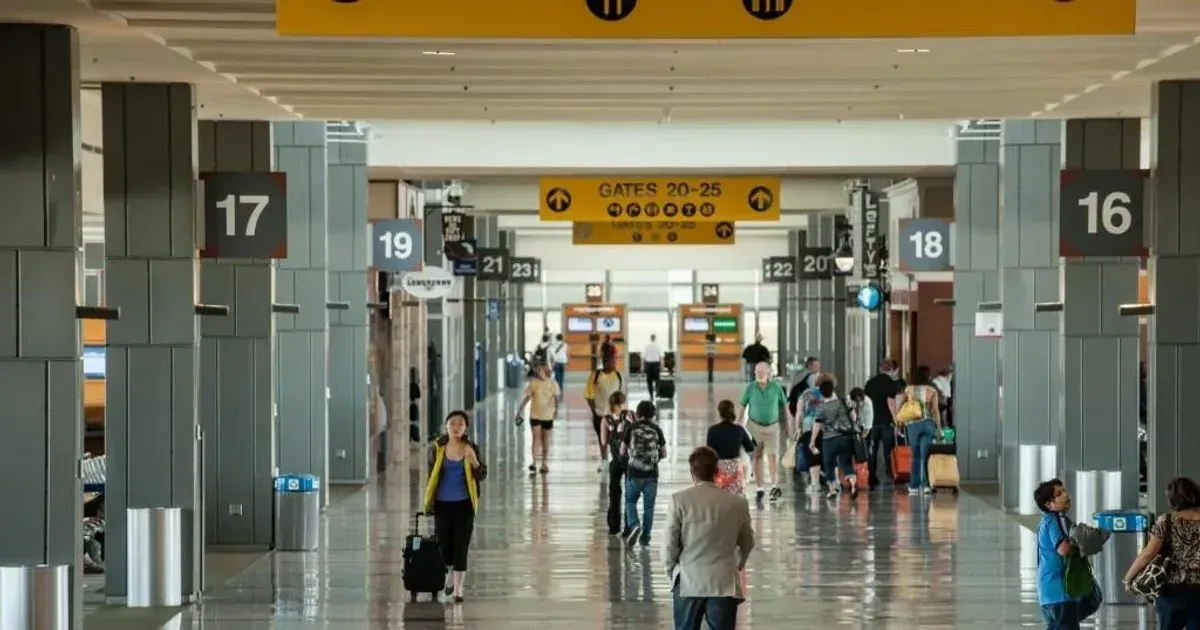
Executives cited operational difficulties and a federal funding lapse that continues to degrade national aviation infrastructure. This move comes as the ongoing federal budget crisis leaves thousands of security personnel without pay across the country. The timing of the announcement caught many industry analysts off guard given the carrier's recent expansion efforts. Travelers using O'Hare International Airport in Chicago and Washington Dulles International Airport must now find alternative routes as the airline focuses on its core hubs. The announcement landed on March 16, 2026, after Southwest Airlines said it would exit major hubs during the federal shutdown. Service at O'Hare began only recently in 2021 during a period of shifting travel patterns. The carrier now serves 15 destinations from that location including Austin and Denver. Meanwhile, the operational environment in Chicago has grown increasingly crowded for smaller carriers. United Airlines and American Airlines have engaged in a persistent struggle for dominance at the facility, adding dozens of daily flights to secure gate priority. Carriers are fighting for every square inch of tarmac as terminal capacity reaches its absolute limit. Current schedules show more than 3,000 flights per day passing through the facility this summer.
Southwest Leaves Two Major Hubs
The heavy volume of traffic at the Chicago hub triggered regulatory intervention from the Department of Transportation. FAA officials recently ordered a reduction in scheduled takeoffs to prevent a total collapse of the local air traffic control system. Southwest leadership described the situation as no longer workable for their low-cost model. The airline has maintained a strong presence at Chicago Midway International Airport since 1985. Midway remains the primary anchor for the carrier in the Midwest region. The withdrawal from Dulles marks the end of a twenty-year residency at the Virginia gateway. Southwest first entered the Dulles market in 2006 to compete with legacy carriers in the affluent Northern Virginia suburbs. For instance, the airline offered a critical alternative for budget-conscious commuters heading to Florida and the West Coast. The cost of maintaining specialized ground crews and gate leases at the major international facility has risen beyond the point of profitability. Operations at O'Hare are challenging, and we are working to refine our network to ensure long-term durability. The airline did not specify whether employees at these airports would be offered relocation packages or face immediate layoffs. This tension adds another layer of anxiety for a workforce already dealing with the broader instability of the domestic travel sector. But the corporate retreat is only half of the story now unfolding at American terminals.
Shutdown Pressure Hits Aviation
Federal workers at airport security checkpoints missed their first full paychecks this week as the government remains shuttered. Security screeners are now working without compensation, leading to a visible decline in morale and staffing levels. Travelers are encountering wait times that exceed 90 minutes at major international departure points.
Security lines at Dulles and O'Hare have stretched through check-in lobbies and into parking structures. Some passengers are arriving four hours before their flights only to find the screening lanes closed due to staff shortages. In practice, the crisis stems from the inability of the Transportation Security Administration to retain talent without guaranteed funding. Screeners are calling in sick at three times the normal rate to seek temporary hourly work elsewhere.
According to airport management records, the shortage of personnel has forced the consolidation of screening lanes in terminal buildings. This reality became undeniable when wait times at several Tier 1 airports spiked by 40 percent in a single 24-hour window. Passengers are reporting chaotic scenes where limited staff struggle to manage hundreds of frustrated travelers. Some airports have even considered hiring private security firms to supplement the depleted federal workforce.
At the same time, the airline industry is reporting a sharp drop in domestic bookings for the second quarter. Travelers are hesitant to commit to summer plans while the threat of missed flights and long lines remains high. Industry analysts suggest that the combined pressure of higher gate fees and reduced passenger demand is forcing carriers to make brutal decisions about their routes. Southwest is likely the first of several airlines to announce major service cuts in the coming weeks.
The financial strain on the aviation system is becoming impossible to ignore. Fuel costs have stabilized, but the infrastructure to support large-scale flight operations is crumbling under the pressure of the political stalemate. The FAA and DOT are operating with skeleton crews, making it difficult to process new route applications or safety certifications. Carriers are effectively frozen in place, unable to grow while the primary regulatory bodies are incapacitated.
Southwest Airlines will maintain its existing schedule through the start of June to honor current tickets. Passengers holding reservations for flights after the June 4 deadline will receive full refunds or the option to rebook through Midway or Baltimore-Washington International. The airline has stated it will not return to O'Hare or Dulles until the operational environment improves sharply. Local officials in Chicago and Virginia are now scrambling to fill the vacancies left by the departing carrier. The gates previously used by Southwest will likely be absorbed by larger competitors within months.
Network Cuts Follow Operational Stress
Why should passengers tolerate a domestic aviation system that crumbles the moment a budget dispute reaches the floor of Congress? The simultaneous retreat of a major carrier like Southwest and the effective bankruptcy of the TSA workforce is a glaring indictment of American infrastructure management. We are watching a slow-motion collapse of the very connectivity that drives the national economy. To see federal workers begging for food donations at the world's busiest airports is not just a policy failure; it is a national disgrace. Southwest is not leaving O'Hare because of a lack of customers.
It is fleeing a system that has become too congested to function and too expensive to handle without federal stability. The FAA's decision to cap flights at O'Hare is a desperate band-aid on a gushing wound of over-scheduling and under-investment. If the government cannot provide the basic security and regulatory structure required for air travel, the private sector will continue its tactical retreat to safer, smaller hubs. Travelers are being held hostage by a political class that views aviation as a luxury rather than a utility. The result is a shrinking map, longer lines, and a broken promise of mobility.