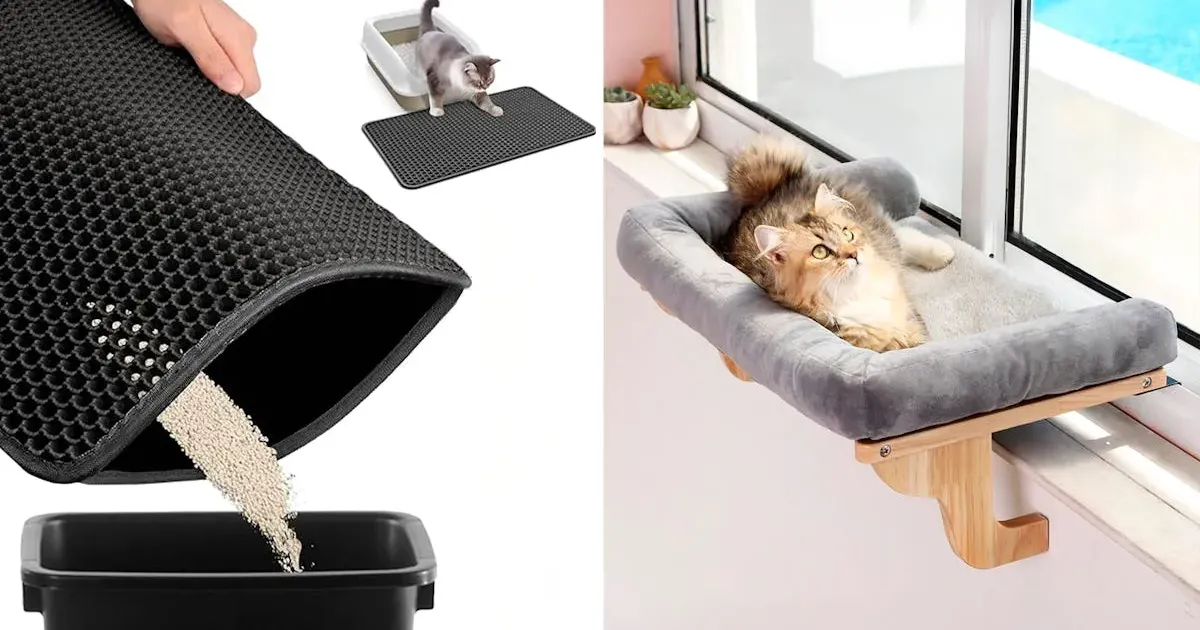
Amazon retail data on March 22, 2026, indicated a major shift in how households approach pet care and domestic utility through eccentric purchases. Petmate and other specialty manufacturers are seeing high volume for items once considered niche or peculiar. Shoppers now focus on products like the Petmate sifting pan that promise to reduce the labor of pet ownership while maintaining a high standard of feline hygiene.
Traditional pet retail models relied on basic food and simple toys to sustain revenue.
But the emergence of the unusual but functional aesthetic has rewritten the rules for digital storefronts. Digital algorithms now favor products that elicit a sensory response or solve a highly specific, even trivial, inconvenience. Consumers are increasingly willing to trade traditional aesthetics for functional oddities that promise a specific psychological or practical reward.
For instance, the Catstages Purring Pillow Cat Toy uses a battery-powered mechanism to simulate the vibration of a real cat. Its goal is to reduce separation anxiety for indoor animals that spend long hours alone while owners work. Many buyers report that the soft fabric shell and rhythmic vibrations offer a form of comfort that standard stuffed toys cannot replicate.
According to technical specifications, three LR44 button batteries provide enough power for a two-minute cycle of soothing vibrations. This duration is designed to settle an animal into a nap without exhausting the battery life prematurely. Maintenance is simplified because the internal sound module can be removed, which allows the outer cover to be machine-washed.
In fact, the shift toward humanizing pet experiences has led to the rise of what some reviewers call Cat TV. Tokenkuko Motion Fish Tank Lamp is a primary example of this movement. It uses moving light filters and artificial fish to mesmerize cats without the maintenance of a real aquarium. This allows cats to engage their hunting instincts through visual tracking without the risk of water damage or the need for live animal care.
Our cats love watching the fish swim by, so we dubbed it ‘Cat TV.’
Still, feline comfort is only one half of the current market equation. Owners are increasingly interested in high-protein snacks like Essential Essentials Minnows that contain zero additives. These single-ingredient treats reflect a broader consumer demand for transparency in the pet food supply chain. Single minnows are freeze-dried to preserve their nutritional integrity and provide a crunch that satisfies feline dental needs.
Kitchen Gadgets and Bathroom Decorative Whimsy
Culinary tools are undergoing a similar transformation toward the theatrical. OTOTO Garlic Twist Crusher is stylized to look like a vampire, turning a mundane kitchen chore into a moment of levity. It has garnered over 6,000 five-star reviews on the platform. Beyond the aesthetic, the device protects hands from lingering odors by containing the garlic within a twisting chamber that crushes and peels simultaneously.
To that end, functional bathroom storage is no longer exempt from the trend of dopamine decor. VELENTI Sheep Toilet Roll Holder allows users to stack paper in a way that creates the visual silhouette of a sheep. These metal frames are stackable and designed to be wall-mounted or freestanding, depending on the available square footage.
Space-saving designs often come at the expense of visual appeal.
Yet these sheep-shaped holders prove that utility and humor can coexist in tight urban apartments. By transforming a bulk purchase of toilet paper into a decorative element, consumers are reclaiming space that would otherwise be hidden away in cabinets. The metal construction ensures durability even in high-humidity environments.
Scented Office Supplies and Gel Eye Treatment Trends
Office environments in 2026 are increasingly defined by sensory stimulation rather than sterile productivity. Lifelines Scented Lava Gel Pens combine visual lava lamp effects with aromatherapeutic scents to engage multiple senses during the workday. The colored gel ink flows smoothly while bubbles of contrasting oil rise and fall within the transparent barrel.
For one, the use of color-shifting bubbles within the pen barrel is a micro-distraction for workers facing screen fatigue. These tactile experiences are becoming standard in the under $20 category where impulse buys are most frequent. Scented components are integrated into the grip to release subtle fragrances as the hand warms the plastic during writing.
Separately, self-care routines are incorporating more playful elements. Genuine Fred Chill Out Eye Masks are available in googly-eye and mushroom patterns to add whimsy to a standard beauty regimen. These masks use gel technology that can be frozen or heated to treat puffiness and dark circles. A twenty-minute cooling period in a standard freezer is sufficient to activate the thermal properties of the gel.
Even so, the low price point remains the primary driver of these viral sales. Shoppers are more likely to experiment with unusual products when the financial risk is minimal. This has created an ecosystem where small, inventive brands can bypass traditional marketing by creating visually striking products that perform well on social media feeds.
Maintaining an affordable price while offering unique utility is a difficult balance for most manufacturers.
Market Impact of Consumer Viral Trends
Market analysts suggest that these odd products are actually a rational response to economic volatility. When larger purchases like homes or cars feel out of reach, consumers turn to small, joyful items to regain a sense of control over their immediate environment. The trend, often called treats culture, focuses on immediate gratification through low-cost retail therapy.
In turn, the success of these products has forced legacy brands to reconsider their packaging and design language. Companies that once focused solely on efficiency are now integrating personality and humor into their core product lines. Amazon remains the primary facilitator of this shift by providing the logistics and review infrastructure necessary for these quirky items to reach a global audience.
The Elite Tribune Perspective
Does the modern consumer actually crave utility, or have we simply become addicted to the brief neurological spark of a novelty purchase? There is a growing sense of desperation in the way we select our domestic spaces with vampire-shaped garlic mincers and sheep-shaped toilet paper stands. The movement toward the whimsical is not merely a stylistic choice; it is a deep symptom of a society that is increasingly disconnected from real, high-quality craftsmanship.
We are pacifying ourselves with plastic trinkets that promise to solve problems we never knew we had, such as the supposed boredom of a cat or the visual eyesore of a roll of tissue. While these products are clever in their engineering, they reflect a culture of disposability where the novelty of the object is more valuable than its longevity. We have entered an era where our homes are no longer reflections of our heritage or our values, but are instead galleries of viral internet trends that will be obsolete within a single fiscal quarter.
If we continue to focus on these dopamine-driven purchases over meaningful consumption, we risk turning our living environments into shallow monuments of corporate algorithm experimentation. The obsession with being novel has effectively replaced the pursuit of being substantial.