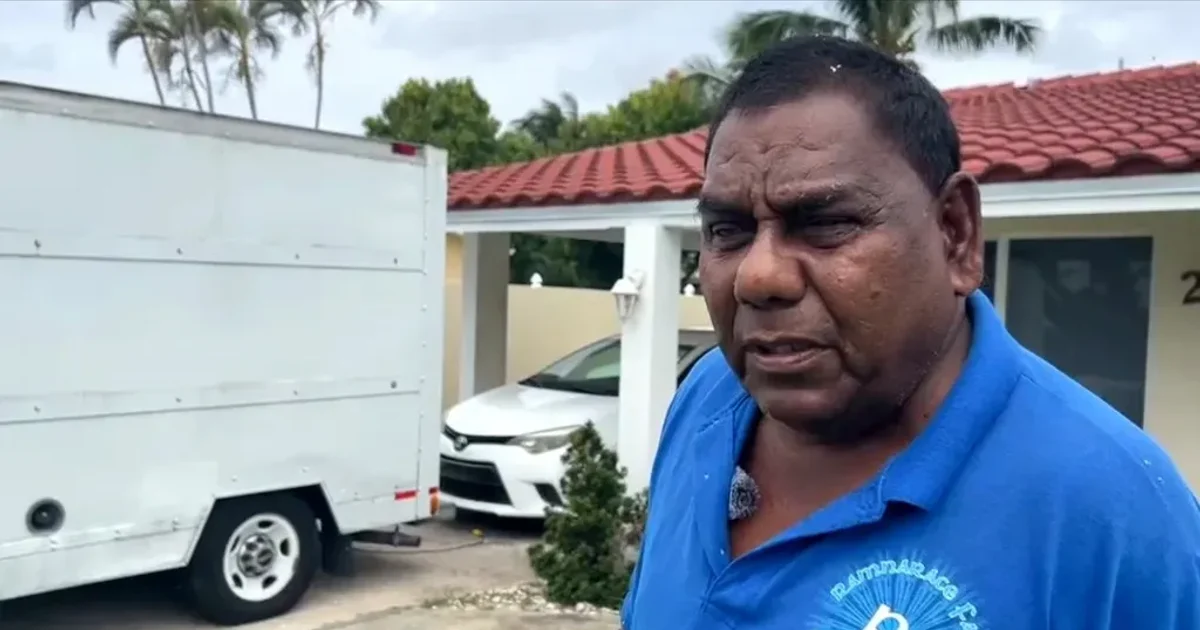
Florida code enforcement officers fined a resident $345 for maintaining a commercial vehicle on private property. Local officials in the city claim the resident's work truck, parked in his own driveway, constitutes a breach of residential zoning standards. The April 4, 2026 fine turned a local parking dispute into a larger property-rights argument. Recurring monthly charges will accrue if the vehicle is not relocated or shielded from public view by the end of the next billing cycle. Records indicate the individual works as a local handyman who relies on the truck for essential business operations.
City inspectors identified the vehicle during a routine neighborhood sweep aimed at upholding community aesthetic guidelines. Many municipalities across the Sunshine State have tightened regulations surrounding heavy machinery and commercial liveries in residential zones over the last decade. Small business owners often find themselves at odds with these ordinances when their work involves specialized tools or transport. This specific case involves a citizen with a documented physical disability who argues the truck is necessary for his mobility and livelihood.
Property laws in the region prohibit the storage of commercial equipment in plain sight to prevent what officials call visual blight. Some residents argue these rules protect property values by ensuring a uniform appearance across suburban developments. Penalties for noncompliance can escalate quickly, turning a minor citation into a meaningful financial burden for independent contractors. Legal experts note that the interpretation of a commercial vehicle often depends on the weight, signage, and utility of the transport in question.
Florida Municipal Code and Residential Zoning Battles
Zoning boards maintain that residential neighborhoods are designed for living, not for the storage of industrial assets. Florida municipal code often lists specific criteria for what defines a commercial vehicle, including gross vehicle weight ratings and the presence of professional logos. Compliance officers frequently prioritize complaints from neighbors who feel a large truck detracts from the local atmosphere. One Florida resident recently described the enforcement process as a direct assault on the working class. Independent laborers rarely have access to commercial storage facilities that are both affordable and conveniently located.
Conflict between private property rights and municipal oversight is a staple of modern suburban life. Courts have historically sided with cities regarding their power to regulate land use for the general welfare. Critics, however, suggest that the definition of general welfare has been stretched to include purely aesthetic preferences. A single fine of $345 can represent several days of labor for a self-employed handyman. Failure to pay these administrative penalties can result in liens placed against the primary residence.
Economic Pressures on Independent Florida Contractors
Small business owners in the trades face unique logistical challenges in modern urban environments. Storing a work truck at an off-site facility can cost between two hundred and five hundred dollars per month. These overhead costs eat into the thin margins of independent handymen and repair specialists. When a city imposes a $345 fine, it essentially removes a week of income from a local household. Market data suggests that the cost of living in Florida has outpaced wage growth for blue-collar professionals over the last five years.
Commercial vehicle bans disproportionately affect workers who do not have the luxury of a private garage or a large estate. Homeowners in gated communities are often used to these restrictions, but they are increasingly appearing in older, middle-class neighborhoods. Advocacy groups for small businesses have started to lobby for amendments that allow one work vehicle per household. Zoning commissions have largely resisted these changes, citing concerns over traffic safety and curb appeal. The number of active code enforcement cases in Florida has increased by 14 percent since 2022.
Zoning laws in the United States gained firm legal footing following the 1926 Supreme Court case Village of Euclid v. Ambler Realty Co. That decision established that local governments could separate land uses to protect the character of a neighborhood. Over the decades, these powers expanded from separating factories from houses to regulating the types of cars in a driveway. Aesthetic zoning is now a multibillion-dollar regulatory industry that employs thousands of inspectors across the country. Florida has been at the front of this movement due to its reliance on tourism and real estate development.
Driveway Fine Tests Local Code Power
The Florida case shows how local code enforcement can collide with ordinary work needs. Cities can defend visual standards, but fines become harder to justify when the rule burdens a resident's ability to earn a living.