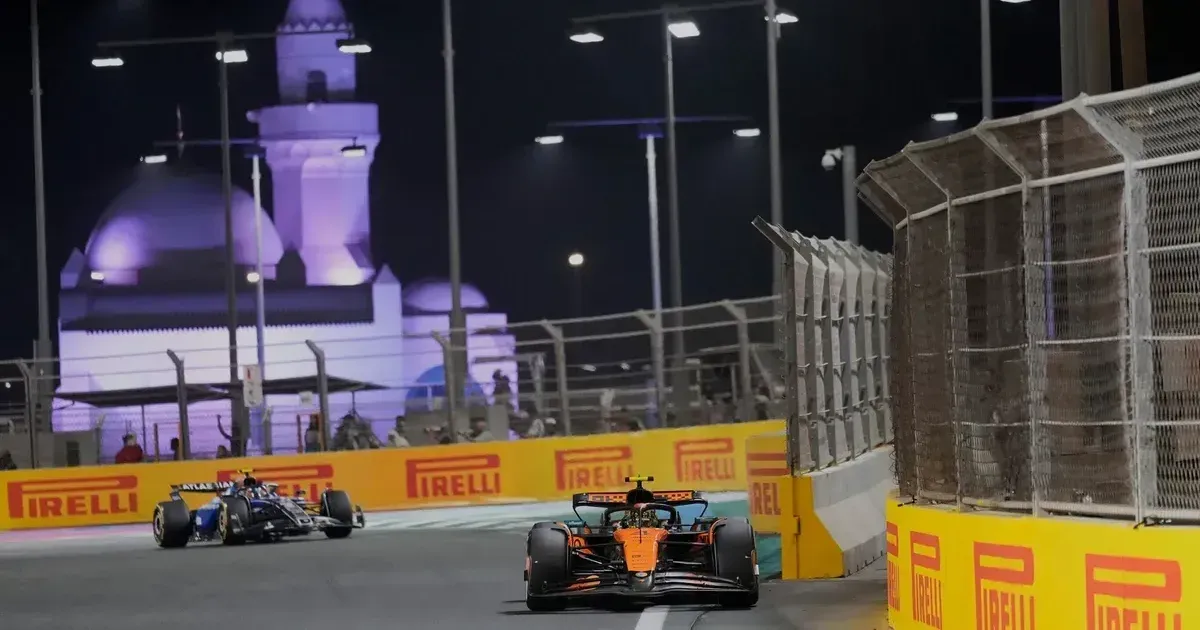
Sakhir International Circuit staff received instructions to cease all race preparations shortly before dawn on Sunday as regional instability forced an immediate withdrawal. Formula 1 management confirmed the cancellation of the 2026 Bahrain and Saudi Arabian Grands Prix, citing the escalation of the war in Iran. Security risks in the Persian Gulf made the events no longer workable for personnel and spectators alike. While the sport has handled regional instability before, the direct proximity of the Sakhir track to potential military targets changed the calculus for Liberty Media. Intelligence reports indicated that the Bahraini circuit sits only 20 miles from a US military base that had been identified as a priority target in recent drone strikes. Such a distance left zero margin for safety during a high-profile international event. Freight logistics forced the hand of decision-makers before the equipment reached the Gulf. Logistics managers faced a deadline for shipping hundreds of tons of gear from European bases. If the fleet of seven Boeing 747 cargo planes had departed, the cost of an inevitable turnaround would have reached into the millions of dollars. Financial prudence and safety concerns aligned to shut down the double-header in the Middle East.
Formula 1 Cancels Gulf Races
Racing teams operate on razor-thin timelines when moving their mobile factories across continents. Each team transports approximately 50 tons of equipment, including chassis, engines, and digital infrastructure, through a complex web of sea and air freight. $100 million in operating costs is at stake when the global calendar faces a sudden disruption of this magnitude. The sport had to act before the primary cargo containers were locked into the regional shipping lanes.
The sport was approaching the point at which a decision on cancellation needed to be made to prevent more freight being sent to Bahrain.
According to sources at DHL, the official logistics partner of the sport, several ships carrying non-critical paddock hospitality equipment were already in the Red Sea. These vessels must now be rerouted or held in neutral ports until the European season begins. This logistical nightmare complicates a 2026 calendar that was already stretching the endurance of mechanics and engineers. Meanwhile, the air freight originally destined for the Bahrain International Circuit will remain in warehouse facilities at East Midlands Airport and Liege. Teams will focus on preparing for the next scheduled round in Miami. But the loss of two championship races early in the season creates a technical void. Bahrain is often used as a standard for car performance due to its abrasive surface and high-traction demands. Engineers must now rely entirely on data from pre-season testing without the validation of a competitive race weekend.
Freight Timing Forces the Decision
Military analysts have voiced concerns about the vulnerability of sporting venues during the ongoing conflict with Iran. The Sakhir circuit is situated in an open desert area, making it difficult to defend against complex drone swarms or long-range missile batteries. Bahrain officials attempted to provide security guarantees, but the risk of collateral damage remained too high for the FIA to sanction the event. Similar threats persist in Jeddah. The Saudi Arabian circuit was famously targeted during a practice session in 2022 by Houthi rebels, an event that nearly caused a driver boycott at the time. With the current conflict involving larger state actors, the scale of potential strikes has increased sharply. Safety officials determined that no amount of anti-missile defense could fully insulate the paddock from the reality of the war. The proximity of the Sakhir track to the US Navy's 5th Fleet headquarters in Manama creates a unique hazard. Escalation in the Strait of Hormuz often leads to increased military activity across the island nation. Moving thousands of international fans through these areas would have placed an impossible burden on local security forces already on high alert.
Security Risk Hits the Calendar
Sky Sports reports that the 2026 season will now be reduced to 22 races. Finding replacement venues on such short notice is a near-impossible task for the Formula One Group. Most Grade 1 circuits require months of lead time to arrange staffing, ticketing, and local policing. Saudi Arabia had been a foundation of the early-season marketing push, but those plans have now been abandoned entirely. The impact on the standings is immediate. Drivers who typically excel on the hot, dusty tracks of the Gulf must now wait for the summer months to find similar conditions. Max Verstappen and Red Bull Racing have historically dominated the Bahrain opener, using their superior tire management to build an early championship lead. This change in the schedule gives rival teams like Ferrari and McLaren more time to develop their aerodynamic packages before the point-heavy flyaway races.
The commercial blow is what concerns team principals the most. Hosting fees for these two races are among the highest in the sport, with estimates suggesting a combined loss of over $100 million for the rights holders. These fees are a primary component of the prize pool distributed to teams at the end of the year. Reduced revenue from the Middle East will lead to smaller payouts across the grid.
Geopolitics and sport have collided before, but rarely with such a definitive impact on the world championship. Saudi Arabia has spent billions of dollars through its Public Investment Fund to position the kingdom as a global sports hub. Formula 1 is the crown jewel of that strategy. The current war has demonstrated that even the most expensive infrastructure cannot buy immunity from regional instability. Logistical experts at the Guardian suggest that the races are unlikely to be replaced later in the year. The current calendar is already at capacity, and the travel distances between existing rounds leave no room for a return to the Gulf. Every available slot in the autumn is already occupied by the Asian and American legs of the tour. Paddock sources indicate that the equipment will now be serviced in the UK before being sent to the United States.
Stefano Domenicali and his team are now facing pressure from sponsors who had planned major activations in Manama and Jeddah. Global brands often use these races to entertain high-net-worth clients from the region. Those corporate hospitality programs have been scrapped. Companies are now looking to the European leg of the season to recoup their marketing investments.
Petrodollar Scheduling Has a Limit
Why does anyone act surprised when a sport built on the pursuit of autocratic petrodollars suddenly finds itself caught in the crossfire of the very regimes it coddles? Formula 1 executives have spent a decade ignoring the ethical and security warnings of human rights groups and regional analysts in exchange for record-breaking hosting fees. They chose to build their early-season schedule in a powder keg, and now the fuse has finally reached the barrel.
This cancellation is not just a logistical failure or a victim of circumstance; it is the inevitable consequence of a business model that prioritizes cash over stability. By anchoring the sport in the most unstable corner of the globe, Liberty Media accepted the risk that their high-speed circus would be grounded by the first sign of real-world friction. The sport likes to pretend it is a neutral platform that transcends politics, but you cannot collect billions from Gulf monarchies and then feign shock when their local wars interrupt your tire strategy.
If Formula 1 wants a stable 24-race calendar, it must stop chasing the highest bidder into active war zones. Until then, they remain a traveling billboard for regimes that can no longer guarantee the safety of the drivers they have purchased.