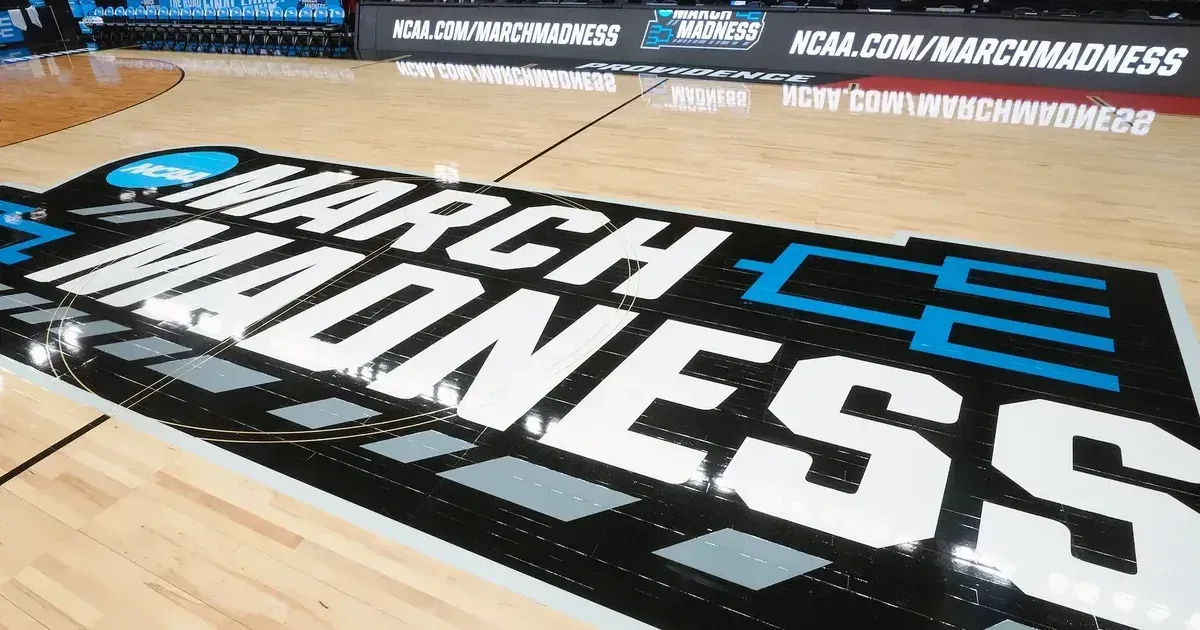
Crowds packed local bars in Ann Arbor and West Lafayette this morning as the bracket reveal loomed. The NCAA finalized the inclusion of 68 teams for March Madness on Selection Sunday in Indianapolis. This event dictates the travel schedules and postseason hopes for athletic programs across the United States. CBS and Paramount+ are broadcasting the official selection show to a global audience of millions. Coaches spent the early hours reviewing scouting reports for potential opponents in the first round of the tournament. The selection committee sequestered itself in a hotel in Indianapolis to review the final data points from early Sunday games. NET rankings and Strength of Schedule metrics dominated the private deliberations. Committee members weighed road victories against late-season injuries to determine the final seeding list for the 68 teams participating this year. Meanwhile, the Big Ten Tournament championship game served as the final data point for the committee. Michigan and Purdue met in a high-stakes encounter that determined which program would secure a superior seed in the Midwest Region. Many analysts suggested the winner would likely secure a top-two seed. The NCAA selection process allows for these last-minute adjustments based on conference tournament results. Fans watched the clock as the 6:00 p.m. Eastern Time broadcast approached.
Selection Sunday Sets the Field
SportsLine advanced models simulated the Michigan vs. Purdue matchup thousands of times to identify the most likely statistical outcome. These simulations accounted for player efficiency ratings and defensive rebounding percentages. Purdue entered the game with a major height advantage in the frontcourt. Michigan countered with a perimeter-oriented offense that led the conference in three-point percentage during February. Computer models identified betting edges and player performance benchmarks for the championship game. The model highlighted the defensive struggles Michigan faced when defending the high pick-and-roll. Purdue exploited these weaknesses in their previous two meetings during the regular season. The outcome of this game often shifts a team from a three-seed to a two-seed. Such a shift changes the geographic location of the first-round pod. The committee waits for the final buzzer before printing the official brackets. Uncertainty permeated the air for programs hovering near the bubble line. But the pressure extended beyond the Big Ten as other conferences finished their respective tournaments. The NCAA committee must compare a mid-major champion with a sixth-place finisher from a power conference. These comparisons often lead to controversy when smaller schools are excluded in favor of larger television markets. Data from the last decade shows a slight bias toward programs with higher broadcast viewership. This year the committee emphasized Quad 1 wins more than total win-loss records.
Committee Metrics Shape the Bracket
Selection Sunday involves a rigorous process of voting and re-voting on team pods. NCAA officials use a secret ballot to move teams in and out of the field. This process ensures that no single committee member can dominate the conversation. The committee focuses on the entire body of work from November through mid-March. Each team receives a profile sheet containing every relevant metric from turnover margin to venue performance. Officials also consider the availability of key players who missed time during the season.
Printable brackets for the women's tournament became available immediately after the selection broadcast. Fans use these documents to track the progress of the field from the opening round to the Final Four. The NCAA women's committee used a similar selection criteria focusing on RPI and SOS. March Madness for the women's side begins with early-round games scheduled for later this week. Broadcasters have increased the number of televised games to include every matchup in the 68-team field. Tournament officials expect record-breaking ticket sales in the regional rounds.
The impact of Name, Image, and Likeness (NIL) deals on the tournament cannot be ignored. Players now enter March Madness with major personal brand interests. The financial component adds a layer of complexity to team chemistry and focus. Teams with established NIL collectives often find it easier to retain talent during the transfer portal season. The NCAA continues to monitor how these financial incentives influence game outcomes. Corporate sponsors have integrated NIL athletes into their tournament advertisements.
The fundamental appeal of the tournament remains the single-elimination format. One poor shooting performance can end a season regardless of a team's ranking. The vulnerability creates the "madness" that fans expect every year. The NCAA manages the logistical challenge of moving teams across the country on short notice. Charter flights and hotel blocks are pre-arranged for all potential participants. The first games of the 2026 tournament begin on Tuesday evening.
Winning a conference tournament provides the only guaranteed path for many mid-major programs. Without an automatic bid, these teams rarely receive consideration from the committee. The final scores from Sunday morning games were critical for schools like Michigan and Purdue. Each victory improved the mathematical probability of a favorable draw. The committee released the official 68-team list precisely at 6:00 p.m. Eastern Time.
March Madness Starts With Judgment Calls
Does anyone truly believe that a committee of athletic directors can objectively rank sixty-eight programs without the corrupting influence of television ratings? The NCAA maintains a facade of statistical purity while the bracket geometry suspiciously favors matchups that maximize advertising revenue. We see the same blue-blood programs protected by favorable geographic pods while mid-major giants are forced into grueling travel schedules.
The inclusion of the First Four in Dayton is a transparent attempt to squeeze more broadcast hours out of a tournament that should prioritize athlete rest over network profits. Selection Sunday has devolved into a three-hour infomercial for corporate sponsors and gambling platforms rather than a celebration of collegiate achievement. If the NCAA wanted a fair system, it would adopt a purely algorithmic selection process that removes human bias and backroom deals. Instead, the public is fed a story of "madness" to distract from the reality of institutional gatekeeping.
The 2026 bracket reflects a system where the teams with the biggest budgets and most vocal fanbases receive the benefit of the doubt. Until the selection process is decentralized and transparent, the integrity of the national championship will remain a subject of legitimate skepticism. The bracket is not a meritocracy; it is a meticulously crafted media product.