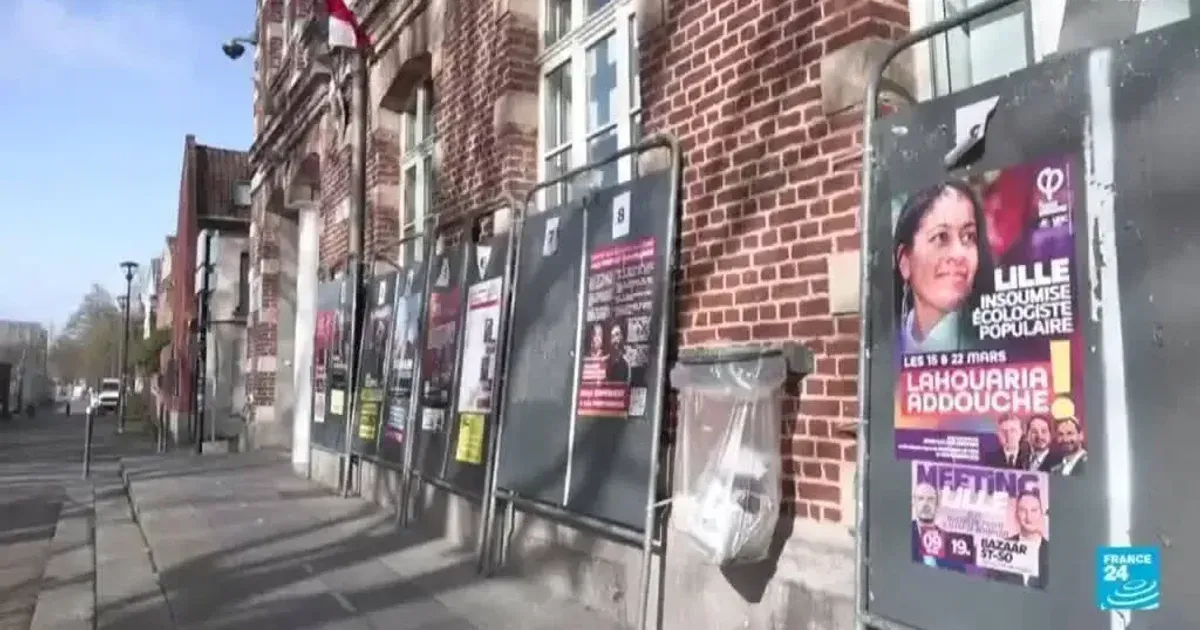
French municipal politics has entered the bargaining phase, where second-round alliances can matter more than first-round applause. French political strategists entered a frantic period of bargaining after the first round of municipal voting to consolidate power before the second round of local voting. On March 16, 2026, candidates from across the political spectrum are currently maneuvering to merge lists or withdraw in favor of rivals to prevent opposition victories in major urban hubs.
Local Bargaining Takes National Weight
Early results from the first round suggest that control over Paris, Marseille, and Lyon remains highly contested. Success in these cities often dictates the national narrative for the following two years of governance. National figures are intervening in local disputes to ensure that the Far Right does not capitalize on fragmented moderate fields.
Anti-Far-Right Math Shapes Deals
According to the Guardian World, parties are hastily attempting to negotiate strategic alliances before the final round of local elections this weekend. These discussions are happening behind closed doors in town halls and campaign offices across the country. Many candidates who failed to reach the 10 percent threshold required to advance are now acting as kingmakers. They are trading their endorsements for promises of deputy mayor positions or specific policy inclusions in the final platform. They show which parties can cooperate under pressure and which blocs may struggle in a broader election.
Second-Round Discipline Is the Test
Voters in the first round demonstrated a clear appetite for change, rewarding both the Radical Left and the nationalist right at the expense of the center. Paris Mayor Anne Hidalgo is fighting to maintain her coalition against a multi-pronged challenge. Meanwhile, her rivals are attempting to unify disparate conservative and centrist factions that have historically struggled to cooperate. The complexity of the French two-round system means that the person who comes in first during the initial vote is not guaranteed a path to victory if the second and third-place candidates join forces.
Paris and Marseille Face Competitive Final Round Alliances
Negotiations are particularly intense in the capital where the mathematical path to a majority remains narrow. While the center-left currently holds a slight edge in several arrondissements, the rise of radical factions has complicated the traditional alliance structures.
According to France 24, many politicians are now moving to make cross-party alliances to block their key opponents. In particular, the centrist bloc is weighing whether to support traditional conservatives or risk an outright win by a Radical Left coalition. This Sunday’s final-round vote for mayors and local councillors in major cities is expected to reveal the true limits of these marriages of convenience.
Negotiations are in full swing in French cities after the first of two rounds of municipal elections on March 15. Marseille presents an even more fragmented picture where several candidates are separated by thin margins. Local power brokers in the southern port city are dealing with a unique set of regional grievances that often override national party directives.
For instance, environmentalist candidates have gained enough support to become essential partners for any winning coalition. In turn, these green factions are demanding a total halt to several high-profile infrastructure projects. At the same time, the Far Right has maintained a resilient presence in the working-class northern districts of the city.
Even so, the ability of mainstream parties to form a "Republican Front" is being tested like never before. Voters who supported the Far Right in the first round are unlikely to be swayed by sudden alliances formed specifically to exclude their candidates. By contrast, supporters of the Radical Left are demanding that any alliance with the center-right be completely off the table.
This strategic withdrawal of candidates in certain districts has become a standard, yet controversial, feature of the French electoral system. Each withdrawal requires a formal filing with the local prefecture before the Tuesday evening deadline.
Radical Left Influence Grows in Urban Centers
Left-wing parties saw unexpected gains in several working-class districts and mid-sized cities. These groups are now demanding notable policy concessions in exchange for backing mainstream center-left candidates in the second round. Such demands often include aggressive rent control measures and the municipalization of local utilities.
For one, the Radical Left has successfully framed the election as a referendum on national economic policies. This Sunday’s vote will confirm if this local surge can be sustained into a permanent political shift. Still, the center-left leadership is wary of moving too far toward the fringes.
They fear that adopting radical policies will alienate the moderate suburban voters who are essential for winning the final count. According to France 24, the race for many of France's bigger cities looks set to be tight. Negotiators are working through the night to find a middle ground that satisfies both the idealistic youth vote and the pragmatic older demographic.
Municipal Alliances Are France’s Stress Test
French local politics is often treated as a neighborhood affair, but these alliances are now a national diagnostic tool. Parties that cannot negotiate a second-round list in Marseille or Paris should not pretend they can govern a fractured republic. The municipal map is showing the same problem that haunts the national stage: the center needs partners, the left wants concessions, and the Far Right benefits whenever everyone else treats arithmetic as betrayal.
The hard lesson is that French democracy increasingly depends on tactical discipline rather than ideological purity. Voters may dislike backroom deals, but the two-round system makes them unavoidable. If mainstream parties fail to build credible local fronts, they will hand city halls to movements that thrive on fragmentation. The second round is not just a vote. It is a rehearsal for whether the republic still knows how to organize against its own extremes.