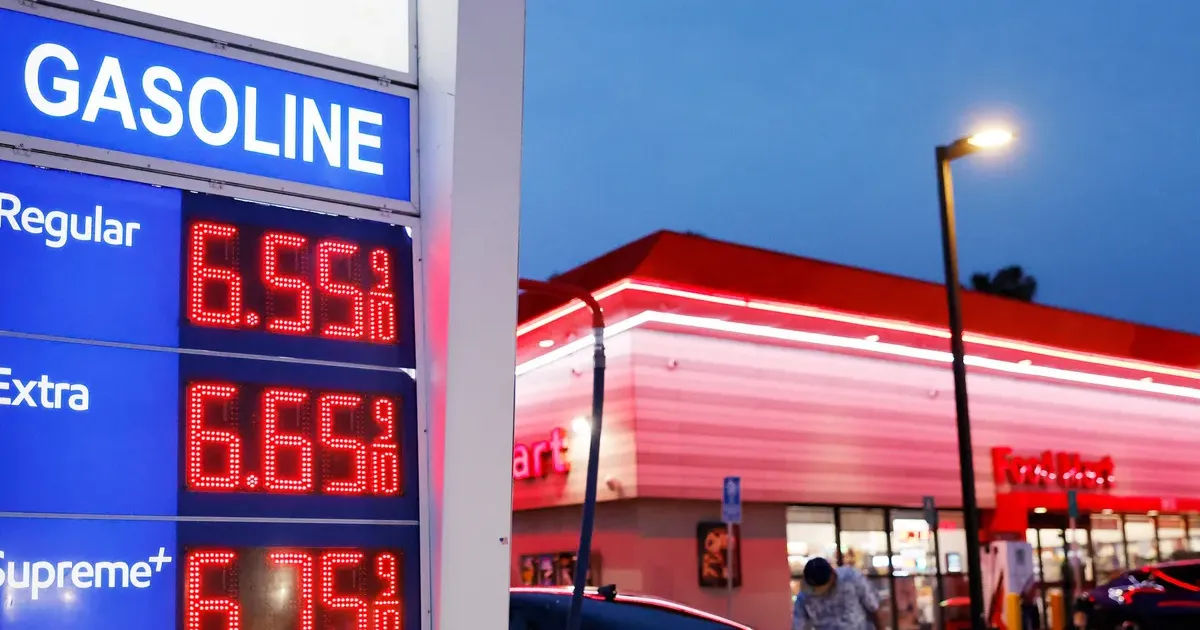
Gasoline does not need to be above 4 dollars nationally to change household behavior. By mid-July 2026, the U.S. regular gasoline average was back around $3.85 to $3.86 a gallon after a June price break, and renewed U.S.-Iran tension around the Strait of Hormuz had analysts warning that $4 could return quickly. For many drivers, the difference between $3.85 and $4 is less important than the direction of travel. The price is visible, repetitive and tied to daily movement.
Fuel therefore remains one of the most politically sensitive economic signals in the country. Energy-market explanations can be complex: crude benchmarks, refinery margins, inventories, exports, tanker risk, diesel flows and global shipping routes. A pump sign is simple. It tells a family whether the commute, school run, medical appointment or grocery trip just became more expensive.
The Pump Is a Public Inflation Meter
Consumers do not experience fuel inflation as a quarterly chart. They experience it in 12-gallon, 15-gallon or 20-gallon transactions. A household with two drivers can feel the increase several times in one week. Rural families, delivery workers, contractors, caregivers and hourly workers with long commutes often have the least room to avoid the cost.
This repeated exposure gives gasoline more psychological weight than many categories inside inflation data. A rent increase may happen once a year. A car repair may be irregular. Fuel can become a weekly reminder that money is leaving faster. A move back toward $4 can therefore can sour consumer mood even when other indicators look calmer.
Hormuz Risk Moves Faster Than Supply Loss
The July pressure did not require a full supply collapse. The Strait of Hormuz carries roughly a fifth of global oil flows, so threats, tanker attacks, blockade claims and military escalation can add a risk premium before barrels actually disappear from the market. Crude prices move on the chance of disruption as much as the disruption itself.
The global link matters for U.S. drivers because domestic production cannot fully separate them from global pricing. The United States may produce large volumes of oil, but gasoline prices still respond to crude benchmarks, refining conditions and international trade flows. A war premium in the Gulf can show up at American pumps even when the local station is thousands of miles away from the conflict.
Diesel Spreads the Cost Beyond Drivers
Gasoline is the visible signal, but diesel carries the wider economic threat. Trucking, construction, agriculture, emergency services, delivery networks and many small businesses depend on diesel or fuel-intensive logistics. If fuel stays expensive, the cost can work its way into groceries, household goods, shipping fees, contractor quotes and service prices.
The pass-through is not always immediate. A restaurant supplier, roofer or local delivery firm may absorb the higher fuel bill for a short period because customers resist price increases. The delay creates a margin squeeze before it becomes a consumer-price increase. If the pressure lasts, businesses eventually have to raise prices, cut routes, add fees or delay investment.
Vehicle Choices Become More Defensive
Fuel spikes also change how shoppers think about cars. Large SUVs and pickups are easier to justify when gasoline is stable. Hybrids, efficient crossovers and smaller vehicles look more practical when each fill-up feels like a warning. Electric vehicles can benefit from the same pressure, though high purchase prices, financing costs and charging access still limit the switch for many households.
The first reaction is often not a new purchase. It is hesitation. Families delay buying, compare fuel economy more closely, drive less where possible and rethink whether a second vehicle or a larger vehicle still fits the budget. Automakers then face a mixed signal: high gasoline increases interest in efficiency, while tight finances reduce the ability to buy.
June Relief Made the Reversal More Noticeable
The timing made the July rebound sharper. June inflation had been helped by falling energy prices, giving households and policymakers a temporary relief story. When fuel prices began rising again, that relief looked fragile. A one-month decline in energy prices can help a CPI report, but it does not settle the household budget if the next conflict headline pushes crude higher.
Policymakers face that trap. They can explain that energy is volatile and often excluded from core inflation. Voters still buy gasoline with after-tax dollars. If the price at the pump rises while officials talk about improved averages, the explanation sounds detached from the daily bill.
The Political Problem Is Visibility
Fuel prices hurt because they are unavoidable for millions of people and impossible to hide. A war premium becomes local when it changes the cost of getting to work. Delivery fees, grocery prices and travel decisions then carry the same pressure into other parts of the household budget.
The White House cannot talk around gasoline for long. If prices move through $4 again, every broader economic message has to compete with the number above the pump. Forecasts, averages and technical arguments about volatility may be accurate, but they do not erase the weekly transaction. For families already stretched by housing, food and insurance, gasoline near $4 is not a market footnote. It is a budget line that keeps coming back.