A water outage at Gatwick Airport did more than leave taps dry. It removed several services that keep a major travel hub moving: toilets could not operate normally, restaurants and lounges shut their doors, seating became harder to find, and at least one airline shortened the time passengers could spend inside the departure process.
Both terminals were without running water on July 26, 2026, after a power failure disrupted SES Water's Bough Beech treatment works. Gatwick made bottled water available and deployed contingency measures, but the airport said the supply problem was still affecting operations on Sunday afternoon. Bottles could meet an immediate drinking need; they could not replace the piped supply required for handwashing, kitchens and normal toilet service.
SES Water said the plant had restarted shortly before 1:45 p.m. local time. Restarting the machinery did not restore service immediately: the utility first had to treat the water and rebuild supply across the network. Customers in parts of Kent and Surrey also reported low pressure or no water, making the airport one part of a wider utility failure. The company separately delivered bottles to vulnerable residents in the affected area. That delay mattered at a hub whose busiest spaces cannot operate safely without a usable water supply.
Restaurant Closures Turned a Utility Fault Into a Terminal Problem
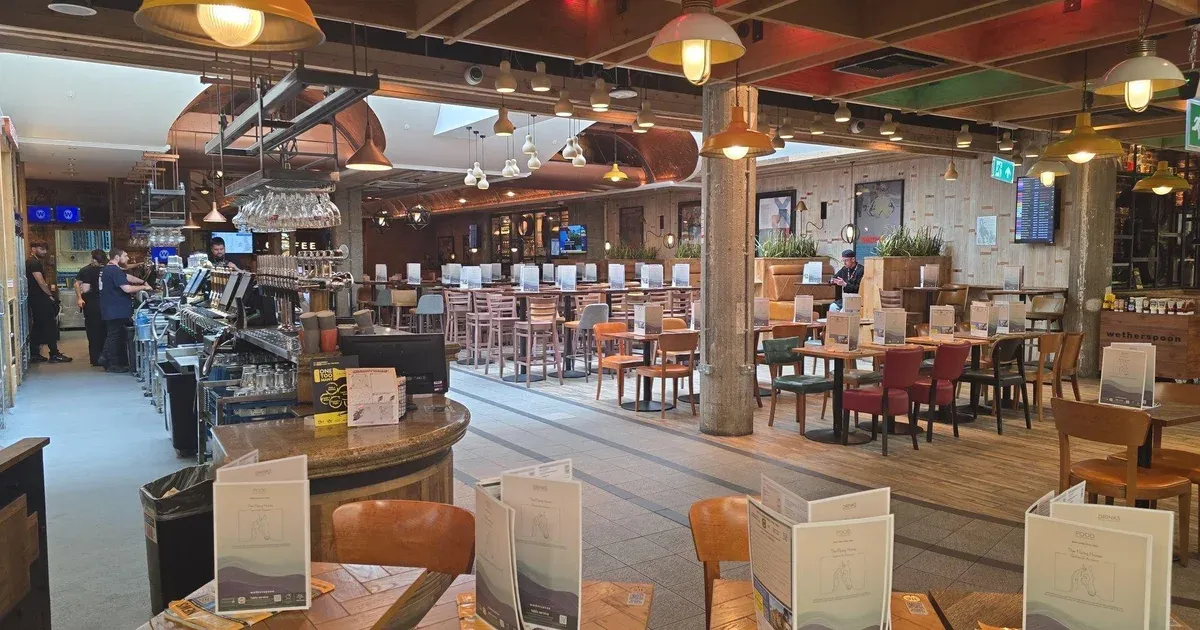
The commercial impact was visible across the terminals. Restaurants, bars and lounges closed because they could not prepare food, wash equipment or provide safe handwashing. Some shops continued selling packaged food, while airport partners opened seating areas even when they could not serve customers. The lost trade extended beyond meals: every shuttered venue removed space that travelers normally use while waiting for a gate.
Passengers described being turned away from normally crowded venues and finding families sitting on the floor. Toilets remained accessible in places, but travelers said there was no water for handwashing and conditions worsened as the disruption continued. That combination made sanitation and crowd management inseparable from the lost retail sales.
The outage converted one failed utility input into several simultaneous capacity limits. A restaurant without water is not merely a closed concession; it is lost food service, fewer seats, reduced dwell space and more pressure on every outlet that can still trade. At an airport, those effects accumulate faster because passengers cannot simply leave and return after the problem is fixed.
EasyJet responded by opening bag-drop desks two hours before departure instead of three and told customers not to arrive earlier. The change reduced the number of people waiting inside the terminal, but it also compressed the check-in window and shifted more responsibility onto travelers to time their arrival precisely. Someone who followed the usual three-hour routine could reach the airport before the airline was willing to accept a bag or allow entry to departures.
Flight Effects Were Possible, but Not Yet Fully Confirmed
A delayed arrival from Valencia offered an early sign that the effects might reach flight schedules. A reporter aboard that service said passengers had been told the airport was rearranging landing slots to limit inbound traffic. The BBC asked Gatwick whether the water failure had disrupted flights more broadly. Without the airport's confirmation, the documented effects remained terminal closures, altered passenger processing and the loss of basic facilities.
Gatwick experienced a similar dependency in July 2022, when a burst main reduced pressure, affected about 1,200 homes and closed airport toilets. The recurrence does not establish that the two failures had the same cause. It does show that terminal resilience depends on infrastructure outside the airport operator's direct control. Recovery plans must therefore cover the period between a utility announcing a repair and usable service actually returning at the terminals.
Restoring pressure will end the immediate outage, but it will not erase the operating lesson. Airlines, retailers and the airport each had separate contingency steps, yet all were constrained by the same treatment plant. Bottled water and shorter processing windows bought time, but neither restored the commercial and sanitary functions that had stopped. The test after service returns is whether those plans can preserve sanitation, seating and passenger flow without forcing an entire terminal economy to contract around one missing resource.