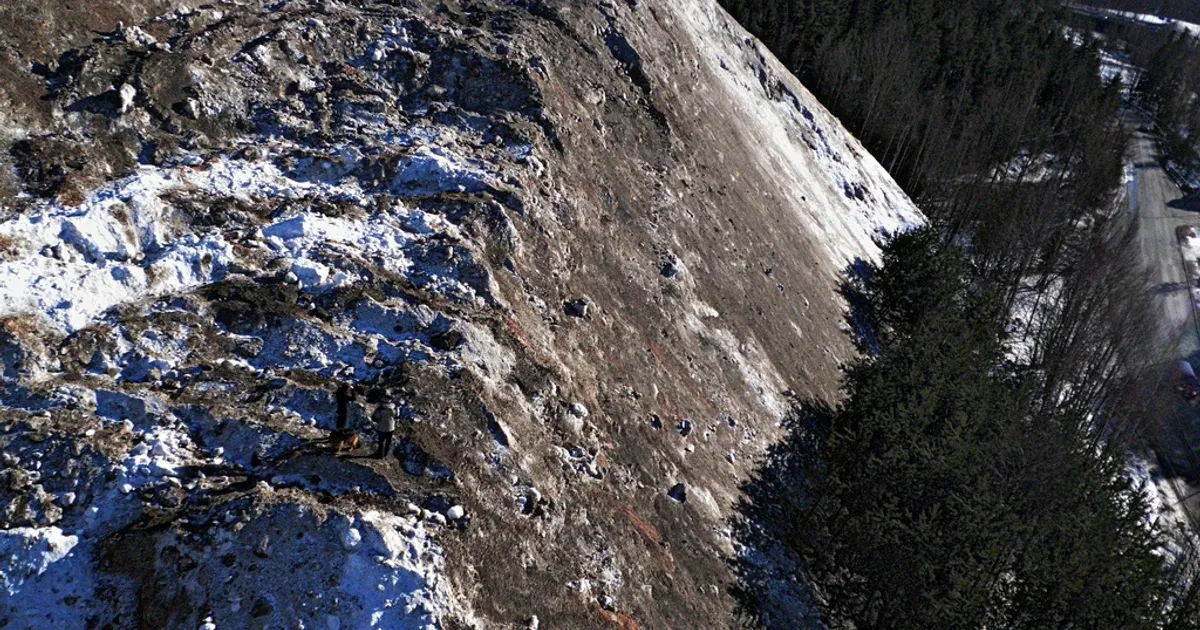
Toronto's towering snow-storage piles are an unusually visible part of a longstanding road-salt problem. Snow cleared from streets carries salt and other debris into concentrated sites, where melting can move contaminants into soil, groundwater and surface water.
The ecological risk is documented. The original article went further than its evidence by predicting a compromised summer water supply, respiratory increases and healthcare costs without measurements or public-health data.
A Record Storm Created Six Snow Mountains
The Guardian reported on March 11, 2026 that Toronto had removed 264,000 tonnes of snow from 1,100 kilometres of roads, sidewalks and bike lanes by mid-February. The operation followed a late-January storm that deposited nearly 23 inches in some locations.
The report described six large snow piles across the city. A north-west Toronto storage site covering two acres could hold 144,000 cubic metres, with the accumulated snow reaching almost 100 feet. The piles contained road salt and street debris rather than clean precipitation.
Toronto's own winter-operations fact sheet says the city moves snow to designated storage sites when large accumulations obstruct traffic, pedestrian infrastructure, parking or sightlines. It lists five snow-storage and three snow-melter sites. The different counts refer to facilities and the visible piles reported after an exceptional storm, not necessarily a contradiction.
Salt Is the Persistent Contaminant
The City says it typically uses 130,000 to 150,000 tonnes of road salt in a winter. Salt improves traction and helps keep routes passable, so the operational question is how to reduce releases without pretending that road safety has no cost.
Environment and Climate Change Canada says about five million tonnes of road salts are used annually across the country. Its scientific assessment found adverse effects on freshwater ecosystems, soil, vegetation and wildlife, and its code of practice specifically covers salt storage, road application and disposal of salt-containing snow.
Chloride does not simply disappear when a pile melts. Federal guidance says road salts can enter surface water, soil and groundwater from snow-disposal sites and roadway runoff. It also identifies drinking-water source areas as vulnerable when chloride could rise enough to impair their use.
That is a risk framework, not evidence that Toronto's treated drinking water was contaminated by the 2026 piles. The federal road-salt FAQ notes that sodium and chloride drinking-water guidance is based on taste rather than a finding that these substances are inherently toxic to people at guideline levels.
Regional Monitoring Shows an Aquatic Problem
The Toronto and Region Conservation Authority processes about 500 water-quality samples from roughly 50 sites each year. It identifies urban runoff, including sediment, nutrients and road salt, as a leading contributor to poor water quality in its jurisdiction.
TRCA says chloride concentrations have increased over time and can harm aquatic organisms through both short-term peaks and sustained exposure. Its published dashboard summary says median chloride concentrations in 2021 exceeded guidelines at 72% of stations, while 79% of stations showed increasing concentrations over time.
Those regional measurements support concern about salt entering local waters. They do not isolate the contribution from any single snow pile, prove that meltwater bypassed drinking-water treatment or demonstrate that nearby residents experienced more respiratory illness.
The Test Is Monitoring, Not Apocalyptic Language
Toronto says it annually audits salt-spreading practices through a salt management plan. The public-interest test is whether storage sites have effective drainage and contaminant controls, whether meltwater is sampled, and whether chloride trends fall without making roads less safe.
Claims about unequal placement also require evidence. The source did not provide a map comparing storage sites with neighbourhood income, nor did it document community health outcomes. Environmental-justice questions are legitimate, but presenting them as settled findings makes them easier for officials to dismiss.
The snow mountains are not proof that Toronto poisoned its drinking water; they are evidence that winter safety exports a measurable chloride burden into the watershed. The honest demand is therefore concrete: publish site-level runoff data, disclose salt volumes and show whether controls reduce chloride over time. A city cannot manage a pollutant by measuring only how quickly it clears the road.