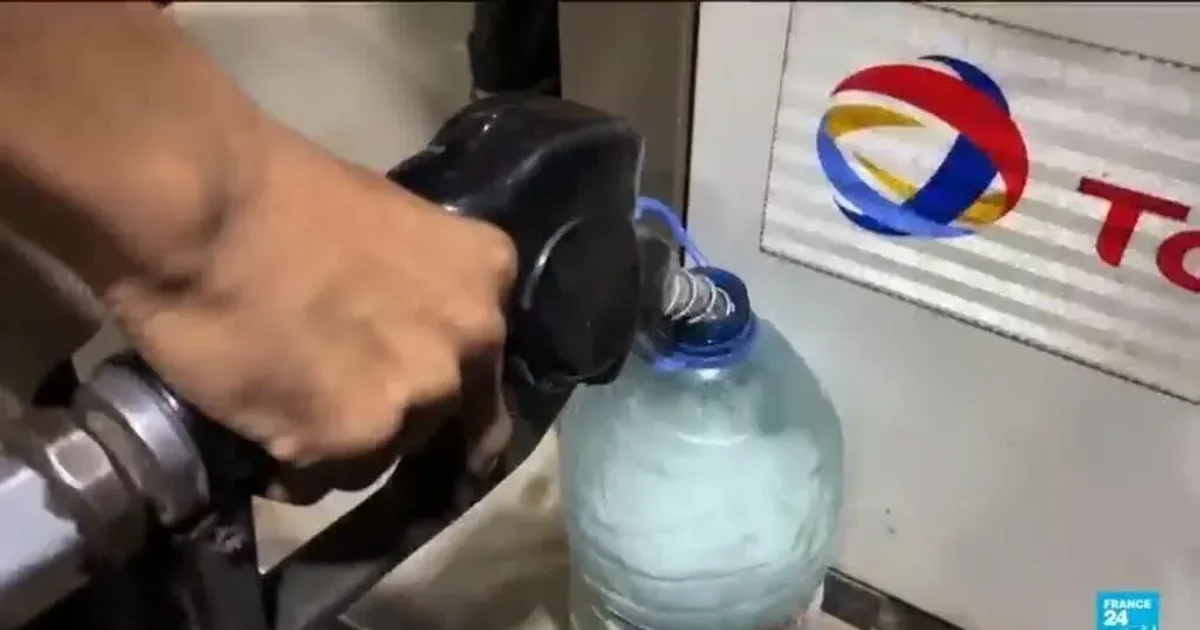
Pakistan officials announced on April 4, 2026, that state-run public transport in Islamabad and the Punjab province will be free for 30 days. High fuel prices driven by the conflict in the Middle East prompted the decision. The government in Islamabad previously raised fuel costs to keep pace with global energy shifts. Heavy subsidies on petrol and diesel were removed earlier in the week to prevent a fiscal collapse of the national treasury.
Commuters in Lahore and Rawalpindi found bus terminals waiving all fees starting at dawn. Provincial authorities stated that the measure covers all state-managed bus fleets and light rail systems. Costs for these operations will be absorbed by the regional budget for the next month. Demand for public transit has spiked as private vehicle owners abandon cars due to the soaring cost of petroleum.
Economic pressure in South Asia mirrors similar distress in Western Europe. France launched an emergency loan program for small and medium-sized businesses on April 4, 2026. These firms face insolvency as fuel costs erode profit margins. The French Ministry of Economy reported that the war in the Middle East has disrupted shipping lanes and refinery outputs. Energy prices for industrial consumers reached a three-year high this morning.
Pakistan Suspends Transit Fees to Combat Fuel Hikes
Pakistan leaders are attempting to reduce public anger after fuel prices jumped by nearly 30 percent in a single week. The Punjab provincial government redirected funds from infrastructure projects to cover the transit subsidy. Officials believe providing free travel will keep the labor force mobile during the worst of the energy crunch. Inflation in the country hit a record 24 percent yesterday. Many families now spend more than half of their income on basic transportation and food.
Logistical networks in Islamabad are operating at maximum capacity to handle the influx of new riders. Transit authorities added extra shifts for drivers to ensure that the free service does not lead to dangerous overcrowding. While the federal government struggles with debt, the provincial leadership insists that social stability outweighs fiscal caution. Protests against energy costs had begun to form in major city centers before the free transit announcement.
Resource scarcity in the region stems from the ongoing naval blockades in the Persian Gulf. Pakistan relies heavily on imported crude oil from neighbors in the Middle East. Disruptions at the Strait of Hormuz have forced tankers to take longer, more expensive routes around the Cape of Good Hope. Insurance premiums for maritime freight have tripled since the outbreak of hostilities. Local refineries are operating with less than a ten-day supply of raw crude.
French Government Announces Emergency Loan Program
Paris responded to the crisis by opening a credit line for logistics and manufacturing companies. France will provide low-interest loans to help businesses cover immediate utility and transport bills. Finance officials stated that the program targets firms with fewer than 250 employees. These entities are the most vulnerable to sudden spikes in operational overhead. Small courier services and local delivery fleets are reportedly the first to apply for the relief.
Internal government documents suggest that the loan package could reach several billion euros if the conflict persists. France wants to avoid a wave of bankruptcies that would lead to mass unemployment. Industrial clusters in the north and south of the country have already seen a slowdown in production. High diesel prices have made the transport of goods across the European Union prohibitively expensive. Retailers are expected to pass these costs to consumers by the end of the month.
Direct intervention in the market has become the main tool for the French administration. Previous attempts to use tax breaks failed to provide the immediate liquidity that businesses required. Pakistan and France are now following a trend of state-led economic shielding. Critics of the plan argue that taking on more debt during a global interest rate hike is dangerous. However, the risk of domestic civil unrest appears to be a more pressing concern for elected leaders in both nations.
Energy Crisis Strains National Budgets Across Continents
Macroeconomic data shows that the global energy market is entering a period of extreme volatility. Analysts at major investment banks revised their year-end oil price targets to $140 per barrel. Middle East instability typically creates a premium on every gallon of fuel sold in Islamabad or Paris. The current scale of the war has removed nearly four million barrels of daily production from the market. Strategic reserves in several nations are being depleted at an unsustainable rate.
Budget deficits in Pakistan are widening as the cost of the free transit program becomes clear. Islamabad must negotiate with international lenders to secure the currency needed for future fuel shipments. The Punjab administration may have to extend the free transit period if prices do not stabilize by May. Experts suggest that the 30-day window is a temporary bridge rather than a long-term solution. Public-sector workers have demanded wage increases to match the rising cost of living.
French industrial output fell by 1.2 percent in the last quarter. France is coordinating with other European nations to find alternative energy suppliers. Liquefied natural gas imports from the United States have increased, but they cannot fully replace the lost regional supply. The transition to renewable energy is being accelerated, though it offers no relief for the current crisis. Manufacturing plants in Punjab have also reported a decrease in daily shifts. Supply chain disruptions are no longer limited to the energy sector. Food prices in Pakistan are climbing because of the increased cost of transporting agricultural products from farms to Islamabad. Fertilizer production, which is energy-intensive, has also slowed down. This creates a secondary crisis for the 110 million residents of the Punjab province. Farmers are struggling to afford the fuel needed for irrigation pumps and tractors.
Fuel Subsidies Show Price Shock Pressure
Emergency fuel spending can soften the immediate blow, but it cannot remove the underlying price shock. Governments are buying time while households and businesses wait for supply routes to stabilize.