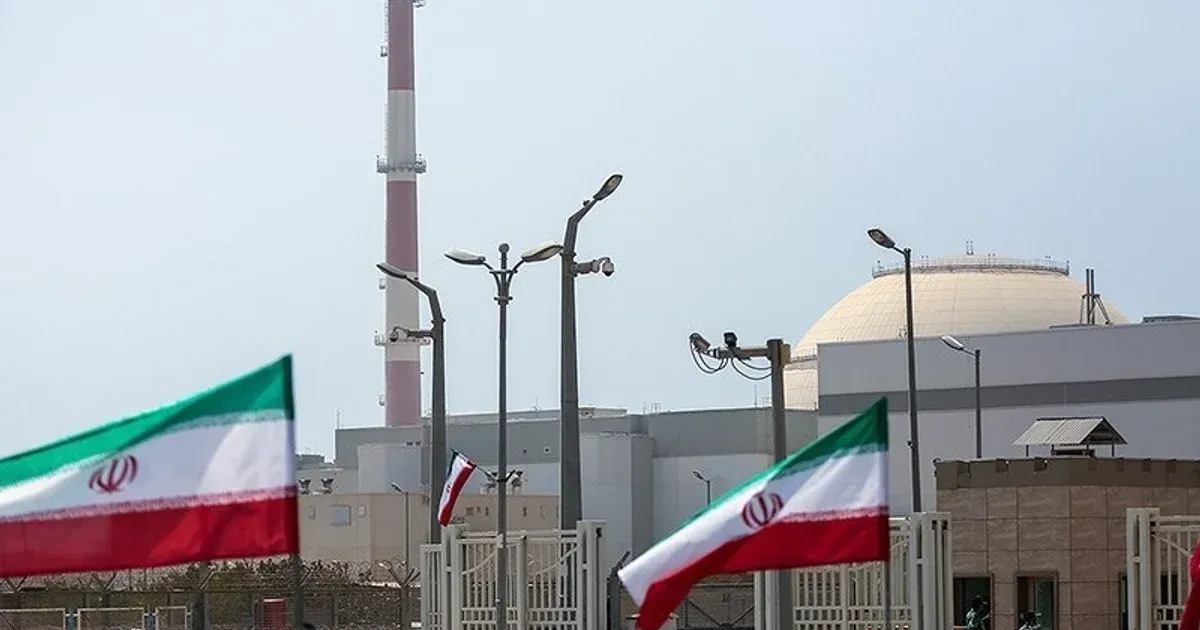
Russian officials warned that safety conditions at the Bushehr Nuclear Power Plant have deteriorated to an unstable state. Maria Zakharova, a spokesperson for the Russian Foreign Ministry, cited an assessment from International Atomic Energy Agency Director General Rafael Grossi regarding a recent attack on the facility. Moscow now asserts the situation is nearing a dangerous line. The April 4, 2026 warning made Bushehr safety a regional concern.
Internal reports from the plant contrast sharply with the alarming rhetoric coming from the Kremlin. Iranian authorities rejected claims of disruption and presented the 1,000-megawatt reactor as stable. Contradictions between these two allies suggest a growing rift over the security of Iran’s main civilian nuclear asset.
IAEA Director General Rafael Grossi has repeatedly signaled that the safety of the site cannot be guaranteed during active hostilities. Intelligence suggests that specialized Russian technical staff began a partial withdrawal earlier this week. Non-essential personnel left the site via military transport, according to regional security observers. Security protocols at the facility, located on the coast of the Persian Gulf, require constant monitoring of seismic activity and cooling system integrity. Recent kinetic strikes in the vicinity have raised the threat of a containment breach that could devastate the local ecosystem. Radiation monitoring stations in Kuwait and the United Arab Emirates have not yet detected elevated levels of isotopes.
Conflicting Reports on Bushehr Operational Status
Iranian state media outlets released footage on April 4, 2026, showing engineers at their stations within the Bushehr control room. These broadcasts aim to project an image of stability to a domestic audience increasingly anxious about regional stability. Spokespersons for the Atomic Energy Organization of Iran claim that backup generators and emergency systems are fully functional. Tehran dismissed reports of a partial evacuation as psychological warfare intended to demoralize the public.
Experts at the Center for Strategic and International Studies note that maintaining a reactor of this complexity requires a steady supply of spare parts and specialized expertise. Russia has been the main provider of both since the plant entered service. A withdrawal of Rosatom engineers would leave the facility vulnerable to technical failures that the local workforce might struggle to address. Equipment failure in the primary cooling loop constitutes a top-tier risk for the VVER-1000 pressurized water reactor. Maintenance cycles for the reactor core were scheduled for late spring but may have been accelerated due to the security environment.
Satellite imagery obtained by private intelligence firms shows unusual activity at the main entrance of the facility. Convoys of civilian vehicles were observed departing the site heading north toward the interior of the country. Logistical patterns at the nearby port also indicate a reduction in incoming shipments of industrial materials. Industrial output from the plant provides a substantial portion of the electricity for the city of Shiraz and surrounding provinces. This dangerous escalation follows a recent attack on the facility that resulted in the death of one staff member.
International Atomic Energy Agency Expresses Deep Concern
Communication between the IAEA and the Iranian government has become increasingly strained as inspectors seek more frequent access to the site. Rafael Grossi issued a statement from Vienna emphasizing that the protection of nuclear infrastructure is a non-negotiable requirement under international law. Reports indicate that at least one drone strike impacted the outer perimeter of the plant during the weekend. While the reactor containment vessel is designed to withstand substantial force, auxiliary structures like the spent fuel pools are more vulnerable.
"The Bushehr nuclear power plant continues operating without any interruptions, and all processes are under full control and supervision," Iranian authorities said.
Grossi’s alarm reflects a broader fear that the facility could become a target in an expanding regional conflict. Damage to the electrical grid connected to the plant presents a different kind of threat. If the plant loses connection to the external power grid, it must rely on diesel generators to keep the cooling pumps running. History shows that prolonged reliance on backup systems increases the probability of human error or mechanical failure.
Diplomatic sources in Geneva suggest that the IAEA is drafting a formal resolution to demand a demilitarized zone around the facility. Russian support for such a measure would mark a major change in the diplomatic dynamic between Moscow and Tehran. Past votes on Iranian nuclear issues have seen Russia act as a shield for the Islamic Republic against Western sanctions.
Bushehr Warning Raises Nuclear Safety Stakes
Bushehr's safety question is no longer only an Iranian domestic claim. If Russia and the IAEA keep raising concern, the plant becomes another pressure point in a war already threatening energy and civilian infrastructure.