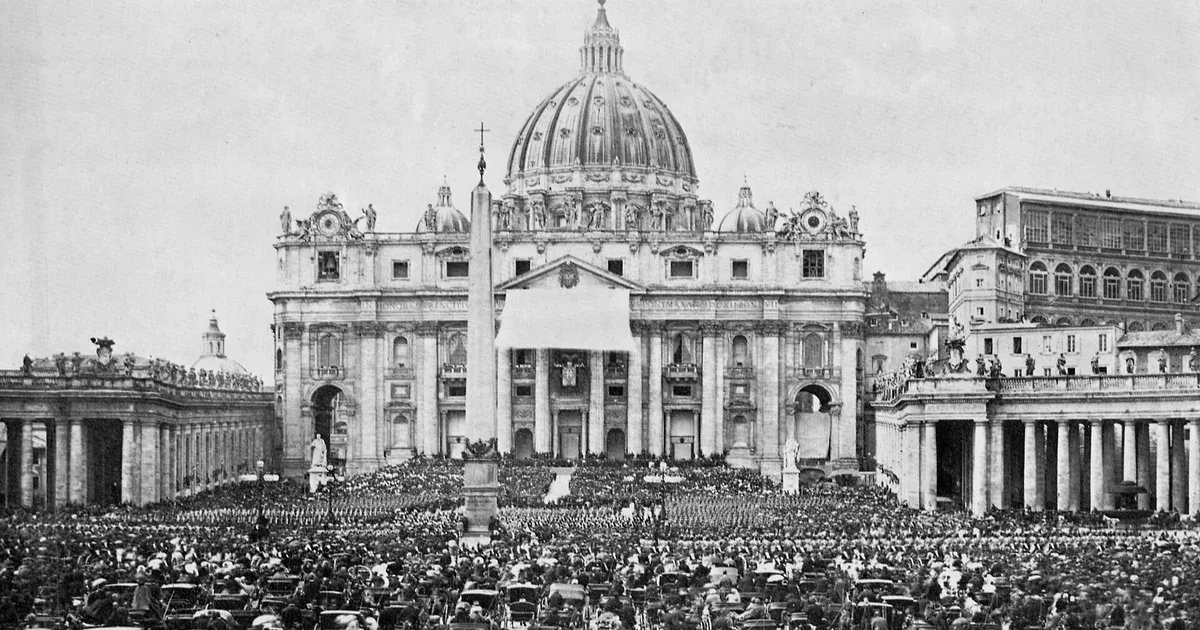
Pope Leo XIV led his first Easter vigil at St. Peter’s Basilica, marking a transition in Vatican leadership during a period of geopolitical fragmentation. By April 5, 2026, the vigil had become the first major signal of Leo XIV’s diplomatic and pastoral priorities. Thousands of pilgrims gathered in the darkened nave of the world’s largest church to witness the lighting of the Paschal candle, a ritual symbolizing the resurrection of Jesus Christ. Catholic officials noted that the attendance figures exceeded expectations, reflecting a renewed interest in the papacy following the recent transition of power. Security remained tight around the Vatican walls as visitors from over 100 countries arrived for the evening liturgy.
Vatican liturgy experts described the atmosphere as solemn but expectant. Pope Leo XIV entered the basilica in total darkness, his path illuminated only by the flicker of a single flame. His first homily as pontiff focused heavily on the necessity of human reconciliation and the cessation of international hostilities. He addressed the crowd in multiple languages, emphasizing that the message of Easter goes beyond borders and political affiliations. The service concluded shortly before midnight with a traditional blessing of the faithful.
Vatican Transition and the First Vigil of Pope Leo XIV
Religious scholars observe that a first Easter vigil is a defining statement for a new pontificate. Pope Leo XIV used the platform to distance himself from the more reclusive style of his predecessors, opting for direct engagement with the laity during the procession. St. Peter’s Basilica, a structure that has seen centuries of such transitions, provided a familiar backdrop for his call for harmony. While previous popes often focused on internal church dogma, this address leaned heavily into the area of international diplomacy. Local authorities in Rome estimated that 10,000 people filled the basilica while another 40,000 waited in the square outside.
Liturgy records show the vigil lasted nearly three hours, incorporating traditional chants in Latin and Greek. Pope Leo XIV specifically mentioned regions currently experiencing armed conflict, urging leaders to seek common ground through dialogue. This approach aligns with early indications that his administration will prioritize active mediation in global disputes. He emphasized that the resurrection story is a message of hope for those living under the shadow of violence. The Pope departed the altar to a standing ovation from the assembled clergy.
Moscow Religious Services and Diplomatic Tensions
Across the continent, Latin Archbishop of Moscow Paolo Pezzi conducted a simultaneous Easter service in the Russian capital. The presence of a high-profile Catholic liturgy in Moscow remains a point of significant interest for diplomatic observers. Paolo Pezzi led the congregation at the Cathedral of the Immaculate Conception, where members of the diplomatic corps and local Catholic minority gathered. His sermon mirrored some of the themes heard in Rome, though he focused more specifically on the local community’s role in encouraging peace. The cathedral operated under heightened security measures provided by local police units.
Pope Leo XIV called for an immediate end to global hostilities, saying the light of the resurrection must penetrate the darkest corners of human conflict and bring lasting peace among nations.
Moscow's Catholic community is a small fraction of the city’s population, yet the Easter service remains an essential event for international residents. Archbishop Paolo Pezzi addressed the unique challenges facing his flock in the current political environment. He noted that the universal nature of the church allows for a bridge between cultures that might otherwise remain isolated. Participants at the service included representatives from various European and Latin American embassies. The liturgy concluded with a procession through the cathedral grounds.
Easter, also known as Pascha or Resurrection Sunday, carries a history that dates back to the first century of the common era. It commemorates the resurrection of Jesus Christ three days after his crucifixion by the Romans on Good Friday. Historical records from the Roman Empire detail the execution of political and religious dissidents, a context that theologians often revisit during Holy Week. The dating of Easter follows a complex lunar calendar, occurring on the first Sunday after the first full moon following the vernal equinox. This calculation ensures that the holiday remains tied to the seasonal cycles of the Northern Hemisphere.
Digital platforms in 2026 saw a surge in the sharing of Easter quotes and wishes, indicating a blend of traditional faith and modern communication. Social media metrics indicated that the phrase Resurrection Sunday trended globally as families shared images of their celebrations. While the religious core of the holiday remains unchanged, the methods of observance have diversified to include virtual services and digital pilgrimages. Market analysts noted that spending on Easter-related goods reached $21 billion in the United States alone. Traditional foods such as lamb and hot cross buns remain staples of the Easter feast in many cultures.
Modern Theological Responses to Global Conflict
Modern theologians argue that the relevance of Easter has shifted from purely internal church reflection to a broader social commentary. Pope Leo XIV has hinted at a new encyclical that will address the moral implications of artificial intelligence and modern warfare. His Easter vigil was a soft launch for these themes, connecting the ancient narrative of life overcoming death with contemporary struggles. Religious organizations globally have reported an increase in charitable donations during the 2026 Lenten season. This trend suggests that the ethical components of the faith are resonating with a younger, more socially conscious demographic.
Church attendance in Europe continues to show a divergence between traditional strongholds and secularized urban centers. Despite this, the televised broadcast of the Vatican vigil reached an estimated 200 million viewers worldwide. Pope Leo XIV appears to be using this global reach to establish himself as a moral arbiter on the world stage. His emphasis on peace is both a religious appeal and a deliberate diplomatic stance. The Vatican press office confirmed that the Pope will continue his schedule with the Urbi et Orbi blessing on Easter Sunday. The world remains focused on whether his words will translate into real policy shifts.
Pope Leo Vigil Turns Peace Appeal Into Diplomacy
Pope Leo's first Easter vigil gave him a solemn setting for a global peace appeal. The message will matter more if the Vatican can connect liturgical language with sustained diplomatic engagement.