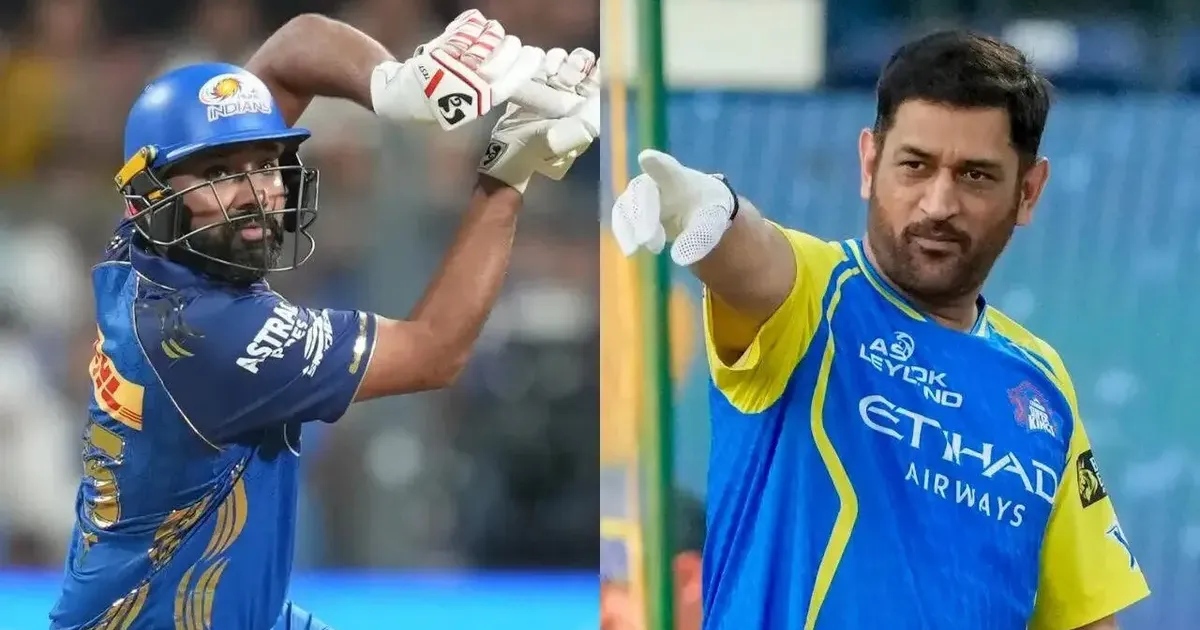
Rohit Sharma added another IPL milestone against Delhi Capitals, passing MS Dhoni for the most sixes hit by an Indian player against a single IPL opponent. Mumbai Indians leaned on that experience during a high-pressure phase of the tournament. The record came on April 5, 2026, and it mattered because Rohit's value to Mumbai is no longer measured only in explosive totals. His ability to manage bowlers, manipulate fields and create pressure still shapes matches even when his innings are built in stages rather than bursts. Mumbai also needed the record-setting innings to steady a campaign that has relied heavily on veteran timing in pressure overs.
Rohit Sharma Turns Experience Into Advantage
Rohit's 51st six against Delhi Capitals gave the innings a statistical headline, but his game management drew just as much attention. Reports also highlighted a moment in which he appeared to influence Delhi into using a review that had little chance of succeeding. Those details fit the late-career version of Rohit. He remains dangerous as a boundary hitter, but he also wins smaller contests over field placement, tempo and bowler confidence. In a league where margins are tight, that kind of experience can be worth as much as raw power.
Reports said Rohit's body language helped draw Delhi into a failed DRS review.
Gill Absence Tests Gujarat Titans
The same news cycle brought concern for Gujarat Titans, with Shubman Gill missing time because of an injury. Gujarat's batting structure relies heavily on Gill's ability to anchor chases and set platforms, so even a short absence can force tactical changes. The Titans must decide whether to replace Gill's role directly or redistribute responsibility across the order. That choice affects powerplay intent, middle-over risk and the way finishers are used. In the IPL, one injury can change both selection and match tempo.
Mumbai's situation looks more stable because Rohit gives them continuity. Gujarat's challenge is uncertainty: they need runs and leadership from players who may not normally carry the innings. Without a settled anchor, other batters may take risks outside their usual roles.
IPL Momentum Moves Quickly
Records can matter beyond the scorecard because they reinforce dressing-room confidence. Rohit's milestone reminded opponents that he remains capable of changing a game without needing to dominate every over. It also gave Mumbai a narrative boost at a stage when table pressure starts to harden.
For Gujarat, Gill's availability may become a defining short-term question. If he returns quickly, the disruption is manageable. If he misses multiple matches, the Titans will have to redesign their batting plan during the most unforgiving part of the season.
Rohit's record also matters because it came against a familiar opponent, not as an abstract career total. IPL rivalries are built from repeated matchups, familiar bowlers and tactical memories that carry from season to season. Passing Dhoni in that category gives the achievement a sharper competitive edge.
For Delhi, the failed review was costly because DRS is both tactical and psychological. A wasted challenge can make fielders hesitate later, and it can give a batter confidence that he is reading the contest better than the opposition. Those small swings often decide T20 matches before the final scoreboard explains them.
The next few matches will show which storyline matters more. Rohit's veteran control can help Mumbai plan calmly around pressure moments, while Gujarat must protect its batting order if Gill remains unavailable. Form and fitness are inseparable once the playoff race tightens, and tactical calm still has value.
Mumbai will hope Rohit's milestone becomes a form marker rather than a standalone headline. Gujarat will hope Gill's injury does not become the reason its season bends. For Delhi, the lesson is different: veteran batters can still manipulate pressure even when they are not producing the fastest innings of the tournament. The failed review, the six-hitting record and the injury update all point to the same IPL truth. Star availability and situational intelligence often decide matches before the final over arrives, especially once April results start hardening into playoff math. Coaches and analysts will treat those details as more than highlights because they affect bowling matchups, review discipline, batting-order choices and the freedom captains give senior players in tight passages.