Ashok Sharma delivered one of the fastest balls of the IPL season for Gujarat Titans, reaching 154.2 kmph and putting his name into the league's pace conversation. The delivery was clocked on April 5, 2026, during a match that also brought injury concern around MS Dhoni. The speed mattered because Indian fast-bowling depth is always watched closely by selectors, franchises and fans. A domestic pacer crossing the 154 kmph mark becomes more than a scorecard note; it becomes a development story. Raw speed does not guarantee a long career, but it gets attention quickly. Sharma's delivery showed the kind of high-end velocity that can unsettle batters, shorten reaction time and change fielding plans. Gujarat will still care about control. Pace without line, length and fitness can disappear quickly in T20 cricket. The harder measure is whether Sharma can repeat the speed without leaking runs or losing shape late in spells.
Speed tracking listed Sharma's delivery at 154.2 kmph, the standout mark from the match coverage.
Dhoni Absence Changes the Derby
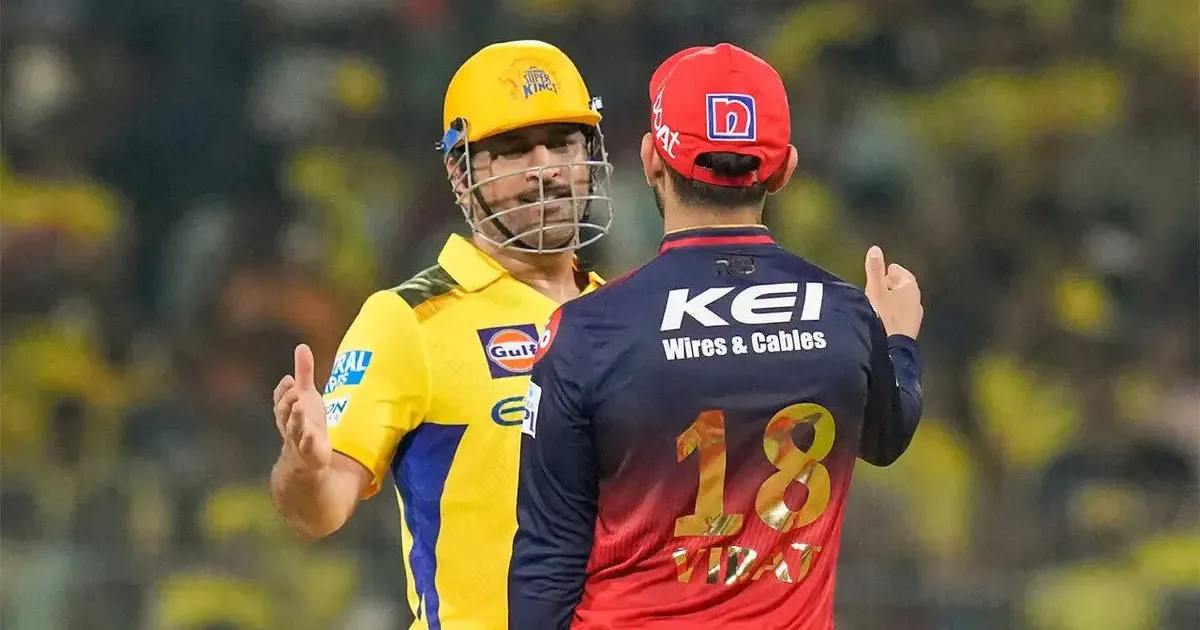
The same news cycle included a setback for Chennai Super Kings, with MS Dhoni ruled out of the derby against Royal Challengers Bengaluru because of a calf strain. Even late in his career, Dhoni's absence changes wicketkeeping plans, finishing options and on-field calm. CSK can replace the gloves, but replacing Dhoni's decision-making is harder. He remains a tactical reference point for bowlers, especially in pressure overs when field placements and pace changes matter. The injury also forces Chennai to think about workload. A short absence may be manageable, but soft-tissue issues can linger if a player returns too quickly during a crowded schedule.
IPL Momentum Moves Fast
For Gujarat, Sharma's speed gives the franchise a positive development marker. It can energize the bowling group and create a matchup threat against teams that prefer to dominate powerplay pace. For Chennai, Dhoni's fitness becomes a weekly question until he returns. The franchise is experienced enough to manage disruption, but the derby stage magnifies every absence. The two stories point in opposite directions: one young bowler forcing his way into attention, one veteran star managing the limits of availability. In the IPL, both can shape selection meetings as much as the final score.
Fast bowling development is rarely linear. A young pacer can touch elite speed one week and struggle with rhythm the next. Gujarat will want Sharma to repeat the pace while keeping his body healthy, because high-speed spells place stress on the back, hips and hamstrings.
For India, the upside is obvious. Domestic quicks who can exceed 150 kmph are valuable in overseas conditions and in short-format cricket, where pace can create wickets even on flat pitches. Selectors will still want evidence that Sharma can handle pressure overs and vary his lengths.
Dhoni's absence gives the story a second layer because the IPL is driven by availability as much as form. A rising pacer and an injured veteran pull attention in different directions, but both affect how franchises plan the next match. A speed reading and a calf strain can therefore share the same tactical conversation.
Speed also changes how opponents prepare. Batters facing a bowler who can reach the mid-150s often start earlier, shorten their backlift or look for scoring options behind square. That can open up other modes of attack if the bowler has control. Gujarat will want Sharma to pair the pace with a slower ball, a reliable yorker and enough accuracy to keep captains from hiding him in low-pressure overs. For Dhoni and Chennai, the calculation is different: they need to preserve a veteran body while keeping the side tactically settled. Both stories are about availability, one through emergence and one through durability.
For Sharma, the attention can be both useful and dangerous. Speed headlines create opportunity, but they can also push young bowlers to chase the radar gun instead of building a complete spell. Gujarat will want the pace to remain part of a broader plan: new-ball aggression, middle-over control and a death-overs option if his accuracy holds. For Chennai, Dhoni's injury creates the opposite kind of management problem. The franchise must decide how much to protect a veteran whose tactical value remains high even when his body needs caution.