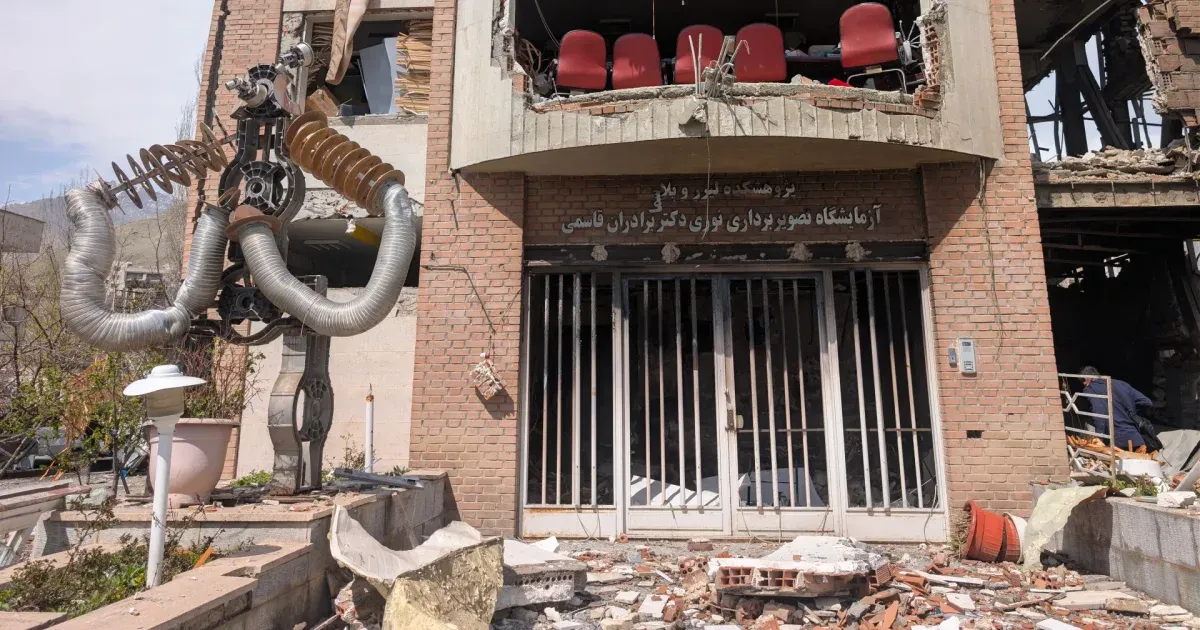
Donald Trump issued a 48-hour ultimatum that week, and Israel finalized plans to strike Iranian energy sites to disable the country's primary economic engine. This directive follows months of escalating tension across the Middle East. Military planners in Washington and Tel Aviv coordinated these efforts to dismantle the financial and logistical foundations of the Iranian government. The April 4, 2026 ultimatum widened the threat to Iranian energy infrastructure. Intelligence reports suggest the window for a diplomatic resolution closed when Tehran refused to halt its nuclear enrichment program earlier this week. The ultimatum pushed energy sites to the center of the military planning debate. Operations expanded across the capital city during the early morning hours. Tehran reported that a psychiatric hospital ceased functioning because of a joint strike. The hospital chief confirmed the facility sustained enough damage to render it entirely unusable for the hundreds of patients seeking mental health care. Staff members evacuated the building as smoke rose from the northern wing of the medical complex. The damage marked a shift in targeting protocols toward urban infrastructure previously considered off-limits.
Educational Infrastructure Sustains Heavy Damage
Educational institutions have not been spared in the recent waves of aerial bombardment. Authorities in Tehran reported that at least 30 universities have been impacted by US and Israeli strikes since the start of the war. Damage ranges from shattered windows and structural cracks to the complete destruction of research laboratories. Students have largely abandoned campus housing to seek refuge in rural provinces or underground shelters. This mass exodus has effectively frozen the academic year for millions of young Iranians. The prospect of disabling these Iranian energy sites follows previous warnings to target key infrastructure.
A psychiatric hospital in Tehran is no longer functioning after a US-Israeli strike, the hospital chief said. Research capabilities at the Sharif University of Technology and the University of Tehran are among those most severely affected. These institutions often house dual-use technology and engineering departments that the Pentagon views with suspicion. Military spokespeople contend that certain academic buildings were used for drone development and cyber warfare planning. Iranian officials deny these claims, stating the strikes represent an assault on the nation's intellectual future. Labs containing sensitive chemical and biological materials have been secured by specialized units to prevent environmental contamination.
The disruption of the higher education sector carries long-term consequences for the Iranian economy. Skilled labor shortages are expected to emerge as the professional pipeline remains blocked. Faculty members have attempted to move some courses online, but the unstable internet backbone makes consistent instruction impossible. Universities serve as traditional hubs for political dissent, making their physical destruction a symbolic victory for the coalition. Total losses in the education sector are estimated to exceed several hundred million dollars.
Strategic Missile Deployment Reaches Critical Levels
Military positioning suggests a large escalation is imminent. Reports from the Department of Defense indicate that the most lethal long-range missiles in the American arsenal are now in position for a coordinated strike. Approximately two-thirds of the total US stockpile of long-range assets has been committed to the Iranian theater. It includes the JASSM, a joint air-to-surface standoff missile with a range of approximately 250 miles. These munitions allow pilots to engage targets from outside the reach of Iranian air defense systems.
Heavy bombers have been relocated to forward operating bases in the Indian Ocean and parts of Southern Europe. Tactical units are focusing on the suppression of enemy air defenses to clear a path for the larger energy strikes. The JASSM missiles provide the precision necessary to disable specific valves and control rooms at oil refineries without destroying the entire facility. The surgical approach aims to paralyze the economy while leaving infrastructure that could be restarted under a different government. Satellite imagery shows a high concentration of these assets arriving at regional hubs over the last 48 hours.
Economic survival for the Iranian regime depends heavily on its ability to export crude oil and natural gas. Israel is currently awaiting final US approval to launch a systematic attack on these energy sites. Target lists include the Kharg Island oil terminal and the huge refinery complexes at Abadan. Disabling these facilities would cut off the regime's main source of hard currency within hours. The 48-hour ultimatum from Donald Trump puts the Iranian leadership in a position where they must either concede to nuclear demands or watch their economy collapse.
Energy markets have reacted with extreme volatility to the news of the impending strike. Brent crude prices surged as traders factored in the potential loss of Iranian supply. Regional allies of the United States have been asked to increase production to offset the anticipated shortfall. The Iranian energy ministry has attempted to reinforce its most critical pipelines with physical barriers and localized anti-aircraft batteries. These defenses are unlikely to stop the high-tech munitions being prepared by the Israeli Air Force.
Strategic analysts believe the energy strikes will be the final phase of the current pressure campaign. Previous strikes on hospitals and universities served to soften the domestic front and distract the administrative apparatus. Now, the focus moves to the physical assets that fund the Islamic Revolutionary Guard Corps. The precision of modern Israeli jets ensures that even the most hardened underground pumping stations are at risk. Failure to meet the conditions of the ultimatum will likely result in a night of historic aerial activity across the Persian Gulf.
Energy Strike Threat Widens Iran War Risk
The energy-site threat widens the war because it moves beyond military targets into the systems that keep the Iranian economy functioning. That raises the risk of retaliation, fuel disruption and deeper civilian harm.