A tanker strike near Dubai has pushed the Gulf conflict closer to the energy infrastructure that keeps Iran solvent. Trump's warning over Kharg Island turned that pressure into an explicit threat against crude exports. On March 31, 2026, the maritime attack and the oil-terminal rhetoric combined into a sharper escalation risk.
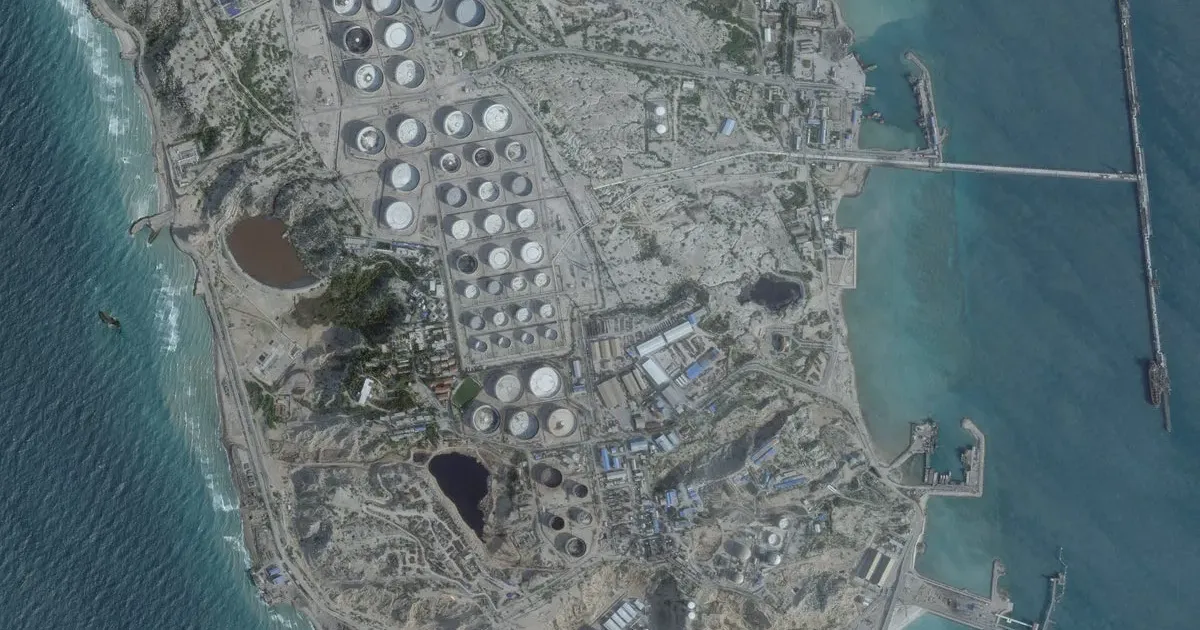
Commercial vessels in the region received emergency broadcasts advising them to maintain a ten-mile distance from the burning tanker. Trump claims that serious discussions are ongoing to end the conflict, but his rhetoric suggests a shift toward total economic destruction if negotiations fail. This strike marks an escalation in maritime hostilities that began earlier this spring. Kharg Island Energy Export Breakdown Satellite imagery confirms that Iranian military assets are clustering around Kharg Island, a geological feature that is the heart of the Islamic Republic’s petroleum industry. Reports from the region indicate that the island handles 94 percent of all crude oil exports leaving the country.
Analysts at global energy firms have warned that any disruption to this specific hub would effectively freeze the Iranian economy for a generation. Military planners in Washington are currently weighing the risks of a seizure operation versus a direct kinetic strike. Iranian defenses on the island include surface-to-air missile batteries and hardened bunkers designed to withstand conventional bombardment. Crude oil prices jumped 8 percent in the first hour of trading following the White House briefing. Intelligence reports suggest that the $11 billion worth of infrastructure on the island is now the primary target of US contingency planning.
Losing this facility would leave Tehran with zero viable options for large-scale maritime trade. Pentagon officials have nicknamed the potential operation a decapitation strike for the energy sector. Iran maintains that any moves against Kharg will result in the immediate closure of all regional shipping lanes. Evidence of mine-laying activity near the island has been documented by Western reconnaissance drones. The facility continues to load tankers under the cover of darkness to avoid detection by satellite sensors.
Kharg Island Becomes The Pressure Point
Shift in Strait of Hormuz Naval Operations President Donald Trump told aides on March 31, 2026, that he is willing to conclude the current war without forcing a reopening of the Strait of Hormuz. Sources familiar with the discussions indicate the administration prefers to weaken Iran’s military capabilities through targeted strikes rather than engaging in a protracted naval clearance operation. Reopening the strait could take months of minesweeping and active combat, a timeline that does not align with the White House’s desire for a rapid resolution. Diplomatic pressure is intensifying as US allies in the region express concern over the long-term closure of the waterway. Saudi Arabia and the United Arab Emirates have reportedly increased their reliance on overland pipelines to bypass the volatile passage.
Naval commanders in the Fifth Fleet have repositioned carrier strike groups to focus on Iranian mainland targets. I would conclude our lovely stay in Iran by blowing up all of the country’s energy facilities. Trump used this language to describe a possible end to the military intervention if a deal is not reached within the coming days. White House officials clarify that this ultimatum is part of a broader strategy to force Supreme Leader Ali Khamenei to the bargaining table. Efforts to degrade the Iranian Revolutionary Guard Corps have already neutralized several coastal radar sites.
Military analysts observe that by ignoring the strait and focusing on the island, the US avoids a direct confrontation with the most densely mined waters in the world. Conflict experts believe this strategy aims to leave Iran with a functioning military but no revenue to sustain it. Iranian state media has dismissed the threats as psychological warfare designed to mask American naval failures. Kuwaiti Tanker Attack and Regional Security Emergency responders from Dubai arrived at the site of the Kuwaiti tanker explosion approximately four hours after the initial impact. Preliminary assessments suggest a drone or low-altitude cruise missile caused the hull breach.
Shipping Risk Widens Across The Gulf
No fatalities were reported among the crew, though the vessel is currently listing to its port side. This specific tanker was carrying over two million barrels of crude destined for European markets. Insurance premiums for any vessel traversing the Gulf of Oman have tripled since the news broke. Lloyd’s of London has designated the entire region as a high-risk zone for maritime transit. Several shipping conglomerates have already instructed their fleets to divert around the Cape of Good Hope.
Kuwaiti officials have called for an emergency meeting of the Gulf Cooperation Council to address the safety of neutral shipping. Tensions between Kuwait and Tehran have soured as the former accuses Iranian proxies of targeting commercial assets. Trump stated during a press conference that the US will protect its interests but emphasized that regional powers must also take responsibility for their own security. Pentagon data shows a 40 percent increase in unconventional attacks on shipping over the last fiscal quarter. Iranian fast-attack boats continue to harass surveillance vessels near the UAE maritime border.
The situation persists as a stalemate between high-tech aerial dominance and low-tech asymmetric naval tactics. Tehran’s refusal to budge on its nuclear and regional policies has left little room for traditional diplomacy. Internal memos from the State Department suggest that the window for a negotiated settlement is closing rapidly. Financial markets have priced in a long-term disruption to Middle Eastern supply chains. Brent crude remains above $120 per barrel as traders anticipate the potential destruction of the Kharg Island terminals.
Energy Markets Watch Retaliation
US officials have not yet confirmed a specific date for the commencement of the energy facility strikes. Military readiness levels at Al-Udeid Air Base in Qatar have reached their highest point in the current conflict cycle. Every hour of delay increases the logistical burden on the coalition forces stationed in the Gulf.
Hormuz Strategy Risk
Believing that a war in the Persian Gulf can reach a stable conclusion without securing the Strait of Hormuz is a dangerous delusion of the current administration. Trump’s strategy of bypassing the waterway to focus on the obliteration of Kharg Island is not a masterstroke of efficiency; it is a confession of naval exhaustion.The United States is effectively admitting that it lacks the patience or the maritime assets to clear the world's most essential choke point. By leaving the strait in Iranian hands while destroying the infrastructure that makes it valuable to Tehran, the White House is inviting a scorched-earth response. If Iran cannot export its own oil, it has every incentive to ensure that no one else in the region can either. This tactical pivot prioritizes short-term political optics over the structural integrity of global energy markets. Washington appears to be betting that a broken Iranian economy will lead to internal collapse before the global repercussions of a closed Hormuz become unbearable.
Such a gamble ignores the historical resilience of the Iranian regime under extreme duress. The threat to blow up energy facilities is a blunt instrument that will likely unify the Iranian populace against foreign aggression. Trump's rhetoric of a "lovely stay" is a flippant dismissal of the escalating human and economic costs of this intervention. Without a clear plan to secure the shipping lanes, the US is simply creating a vacuum where piracy and proxy warfare will thrive for decades. The result will not be a deal, but a permanent state of maritime anarchy.