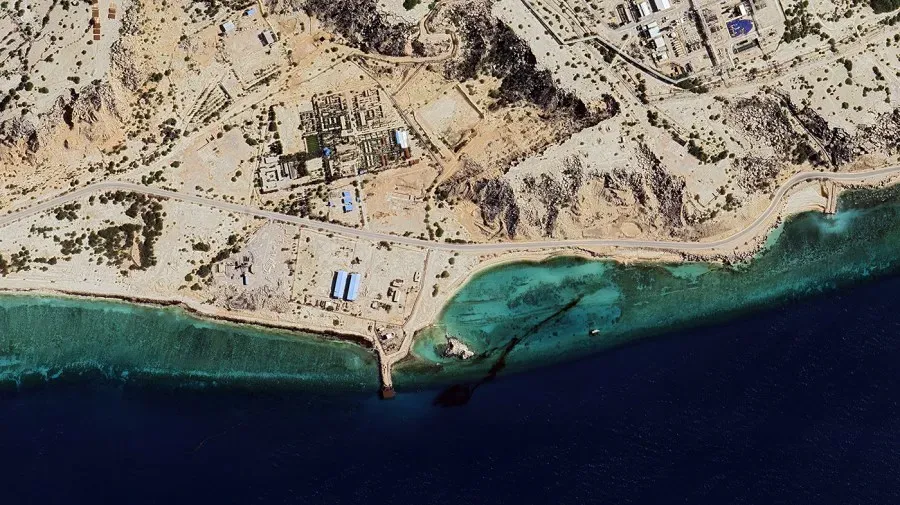
The troop movement puts oil infrastructure at the center of the military map. The target geography matters. Any strike plan around Kharg Island would carry immediate global consequences. Donald Trump ordered additional combat units to the Persian Gulf on March 30, 2026, as military planners focused on the strategic oil terminal at Kharg Island. Naval assets concentrated in the Arabian Sea have reportedly moved within striking distance of the Iranian coastline. White House officials indicated that the troop movement responds to Tehran's recent threats against commercial shipping in the region. Commanders have spent months refining contingency plans for a ground assault on the primary export hub for Iranian crude oil.
Planners believe that seizing or neutralizing the facility would deprive the Iranian government of its main source of hard currency. Kharg Island handles approximately 90 percent of all Iranian petroleum exports. Petroleum analysts suggest a disruption there would immediately ripple through global energy markets. Ships carrying millions of barrels of oil depart the island daily for refineries across Asia.
Iran's Islamic Revolutionary Guard Corps responded by warning that any violation of its territory will lead to a total blockade of the Strait of Hormuz. Military leaders in Tehran stated that their coastal missile batteries are locked onto American carrier groups. Such a blockade would choke off the flow of energy to Western allies. Energy prices in London and New York jumped four percent within minutes of the Pentagon's announcement.
Kharg Island Invasion Risks Global Oil Crisis
Crude oil markets remained volatile throughout the morning as traders weighed the possibility of a prolonged conflict. Strait of Hormuz shipping lanes carry one-fifth of the world's total petroleum supply every day. Any kinetic action at the Kharg Island terminal would likely trigger an immediate shutdown of this corridor. Insurance premiums for tankers in the Gulf have already tripled since the start of the month.
Simultaneously, logistical preparations for a ground operation continue at bases in Kuwait and Bahrain. Cargo planes carrying heavy armor and amphibious vehicles arrived at regional hubs late last night. Kharg Island, located just 25 kilometers off the Iranian coast, presents a complex target for amphibious forces. The island features heavily fortified coastal defenses and underground storage tanks designed to withstand aerial bombardment. Pentagon officials have remained silent regarding the specific rules of engagement for the gathered forces. Intelligence reports indicate that Iranian troops have reinforced the island with anti-ship cruise missiles and short-range air defense systems. These deployments aim to deter the kind of lightning strike that American planners favor. Satellite imagery shows new trench lines and concrete bunkers appearing near the main jetty.
Elsewhere, European allies have cautioned against any move that could permanently damage the global energy infrastructure. Diplomacy has stalled as the White House insists that a military presence is the only language Tehran respects. Energy security experts argue that even a successful seizure of the island would not guarantee the safety of the wider shipping lanes. Military experts believe a ground war would require at least three divisions of infantry.
Lindsey Graham Defends Preventive Strike Strategy
Internally, the Republican Party faces a growing divide over the necessity of a new conflict in the Middle East. Lindsey Graham has become the most vocal defender of the administration's aggressive posture. He argued during a televised hearing that the cost of inaction far outweighs the risks of a localized ground war. His position centers on the belief that military force is the only way to permanently halt Iran and its nuclear ambitions.
"If Iran is truly prevented from obtaining nuclear weapons for the foreseeable future, then this preventive military action will have been a crucially important success, even if the regime survives," wrote analysts in a report cited by the administration.
Lindsey Graham has consistently pushed for a strike on Iranian energy assets to break the regime's financial back. He maintains that a surgical operation against Kharg Island would be decisive and limited. Critics within his own party disagree with this optimistic assessment. They fear a localized strike would quickly expand into a regional fire involving multiple nations.
Factions of the political right have intensified their attacks on Graham's hawkish philosophy. These lawmakers contend that a ground invasion would lead to another decade of nation-building. They argue that the American taxpayer cannot afford the multi-trillion dollar price tag of a full-scale war. Isolationist sentiment has grown particularly strong among younger voters who prioritize domestic infrastructure over foreign intervention.
Isolationist voices in the Senate have threatened to block funding for any offensive operations that lack a clear exit strategy. This group believes that the administration is being led into a trap by military contractors and regional allies. Lindsey Graham dismissed these concerns as short-sighted and dangerous. He claims that a nuclear-armed Iran is an existential threat that justifies preemptive violence.
Nuclear Deterrence and Long-Term Strategic Goals
By contrast, the administration views the Kharg Island operation as a means to achieve broader non-proliferation goals. Iran has continued to enrich uranium beyond the limits set by previous international agreements. Diplomatic efforts to restore the nuclear deal have failed to produce any meaningful concessions from the Supreme Leader. Washington now believes that only a direct threat to the regime's survival will force a change in policy. Success in the eyes of the White House is defined by the total dismantling of Iranian nuclear capabilities. Planners hope that the threat of losing Kharg Island will be enough to bring Tehran back to the negotiating table. If the regime refuses to blink, the administration appears ready to execute the seizure. Intelligence agencies have identified several secret facilities that would be the secondary targets of a wider campaign.
Deterrence has clearly failed to prevent the current buildup of forces along the coastline. Iranian officials have promised a scorched-earth response to any American boots on their soil. They have threatened to destroy the very oil facilities the US hopes to secure. Such a move would render the island useless and trigger an environmental crisis in the Persian Gulf. Commercial shipping companies have already begun rerouting vessels around the Cape of Good Hope.
Gulf Escalation Risk
Kharg Island matters because it connects military action to export capacity, insurance pricing and retaliation risk. A limited strike can still be read by markets as an attack on oil supply.
The decision point is whether Washington uses the buildup as leverage or moves toward an operation that Iran would almost certainly answer.