The shutdown fight has moved beyond procedural delay. March 30, 2026, saw the Department of Homeland Security enter its 45th day of closure, setting a record for the longest federal shutdown in United States history. The stalemate also leaves contractors and frontline employees trying to plan around pay uncertainty rather than normal agency timelines. That pressure can affect morale even when core security functions continue operating. The longer the shutdown runs, the more routine procurement and oversight decisions become part of the political fight. That makes the funding dispute harder to isolate from national security operations.
Congressional leaders failed to bridge a divide that has paralyzed critical functions of the executive branch for over six weeks.
Political friction has effectively shuttered the agency responsible for domestic safety, border control, and aviation security. This deadlock surpasses the previous 35-day record established during the winter of 2018 and 2019.
Budgetary experts estimate the disruption has already cost the American economy billions in lost productivity and delayed commerce. Negotiators on Capitol Hill returned to their districts for the weekend without a resolution in sight. Staffing shortages at major transportation hubs continue to worsen as employees reach the limits of their personal financial reserves. The situation is evolving rapidly.
Travel Disruptions Hit Major American Airports
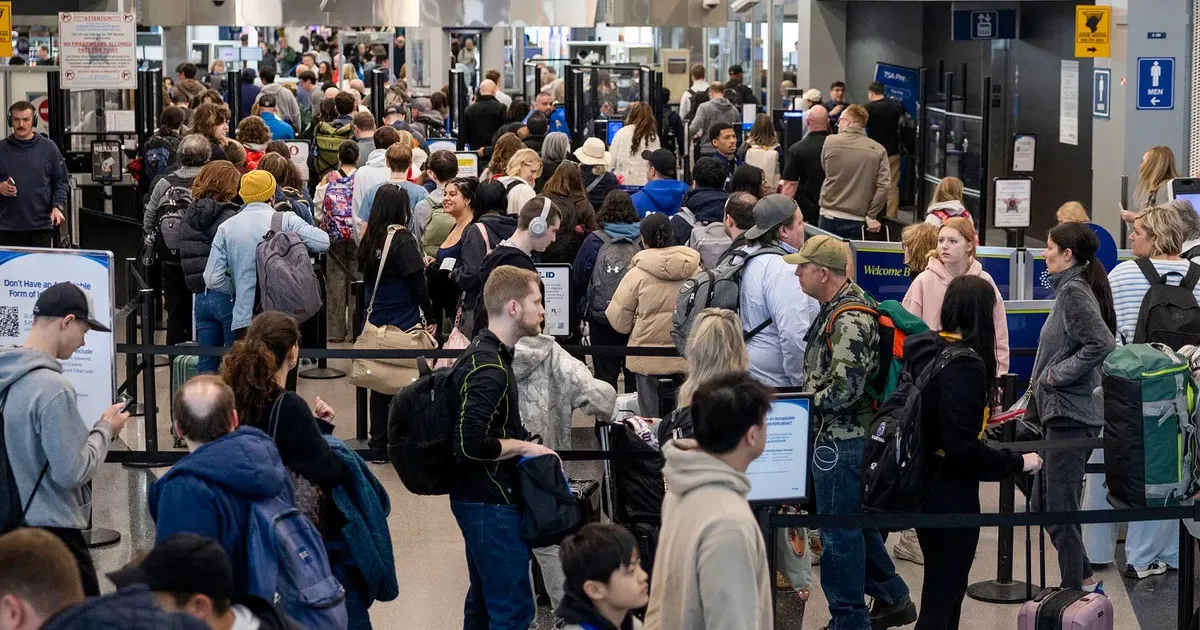
Passengers at international gateways are experiencing delays that stretch into several hours because of reduced screening personnel. Security checkpoints at Hartsfield-Jackson Atlanta International Airport and John F. Kennedy International Airport closed multiple lanes during peak travel times. Aviation industry analysts warn that the safety of the national airspace could be compromised if the shutdown continues into the busy spring travel season. Cargo shipments and logistical chains are also slowing down as customs officers prioritize high-risk inspections over routine trade processing.
"I blame them all," said one frustrated traveler delayed at an East Coast terminal during the height of the security slowdown.
Airlines report a serious increase in customer complaints regarding missed connections and baggage handling delays. Despite the operational hurdles, most screeners have stayed at their posts out of a sense of duty to the traveling public. Domestic tourism centers in Florida and California are seeing a measurable decline in visitor arrivals. Travel associations are pressuring the White House to find a temporary solution to prevent a total collapse of the aviation network.
House Republicans Block Senate Funding Measure
Friction between the two chambers of Congress reached a peak when House Republicans decided not to vote on a funding bill that had already cleared the upper house. The Senate passed a unanimous measure that would have restored funding to most components of the security department except for immigration enforcement branches. Ryan Nobles of NBC News reported that the decision to block the bill came after intense internal caucus deliberations. Legislative gridlock persists because of the refusal to separate border policy from general department operations.
Congressional aides suggest that the House leadership is holding out for a more thorough deal that includes specific enforcement mandates. The Senate proposal was intended to be a stopgap measure to ease the pressure on airport security and maritime patrols. Senate leadership expressed frustration that a bipartisan consensus was ignored by their counterparts in the House. Political analysts observe that the ideological gap between the two chambers is wider than it has been in decades. This specific breakdown in the legislative process has left the executive branch without the legal authority to disburse salaries.
Economic Consequences of DHS Funding Lapse
Market analysts are revising their growth projections downward as the shutdown impacts the broader services sector. Small businesses located near federal installations and border crossings have reported a 30% drop in revenue. The Department of the Treasury has not yet issued a formal statement on the long-term credit implications of the funding lapse. Procurement contracts for new security technology have been suspended, stalling innovation in the defense sector. Tourism officials estimate that a 60-day shutdown would result in a permanent loss of over $10 billion in economic activity.
Federal contractors are also feeling the sting of the budget vacuum as their invoices go unpaid. Many firms have initiated temporary layoffs to preserve capital during the uncertainty. The wider effect extends to local economies that rely on the spending power of federal employees. Experts at the Brookings Institution indicate that the cumulative impact of the shutdown will be felt long after the funding is restored. Every day of closure adds to a backlog of administrative tasks that will take months to clear.
DHS Funding Stalemate
The DHS fight is now operational, not just procedural. Missed funding windows can quickly affect staffing, contracts and the agencies that depend on predictable congressional action.
Lawmakers face pressure because the costs are visible even before a final deal. The longer the standoff lasts, the harder it becomes to present the shutdown as a contained budget dispute. The funding fight also affects local planning because contractors, airport managers and emergency offices need to know when federal reimbursements will arrive. That uncertainty can delay hiring and procurement even after lawmakers announce a temporary deal.
For frontline staff, the issue is less about congressional language than missed pay cycles, overtime pressure and uncertainty over whether agencies can keep routine operations stable.